

Salad dressing, KRAFT MIRACLE WHIP FREE Nonfat Dressing
Whole food · Fats and Oils

Photo: Wikipedia
Kraft Miracle Whip Free is a nonfat, tangy dressing with a creamy, whipped texture and a signature sweet-tart flavor profile. It's a lighter, calorie-conscious take on the classic Miracle Whip, delivering that familiar zesty kick with minimal fat and only 84 calories per 100g. Its standout nutritional feature is the significant carbohydrate content, primarily from added sugars.
Calorie split: 1% protein · 71% carbs · 28% fat
↓ Full nutrition💚 Why it's loved
People love it for its unique, nostalgic flavor that's sweeter and zestier than traditional mayonnaise, making it a staple for classic American salads like potato or coleslaw. Its creamy texture and versatility allow it to be used as a sandwich spread, dip base, or marinade ingredient.
⚠️ Watch-outs & how to enjoy it better
The primary concern is the high sugar content (10.3g per 100g), which can contribute to blood sugar spikes, especially for those monitoring intake. To counteract this, pair it with high-fiber vegetables or protein-rich foods like grilled chicken or hard-boiled eggs to slow sugar absorption, and practice portion control by using it as a flavor accent rather than the main component.
Key benefits
- Nonfat and low-calorie base for creamy dressings
- Provides a distinct sweet and tangy flavor boost
- Versatile condiment for sandwiches, salads, and dips
- Offers a familiar taste with reduced fat content
- Contains a small amount of dietary fiber
🍽️ Popular dishes
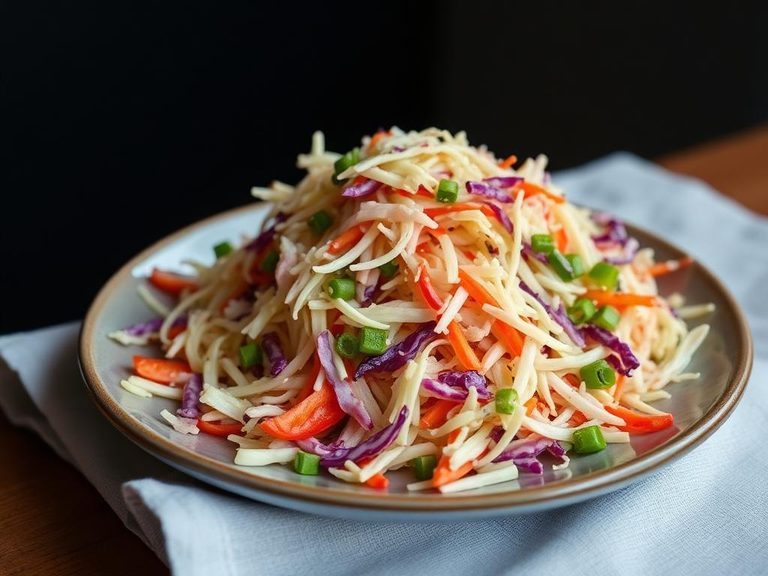
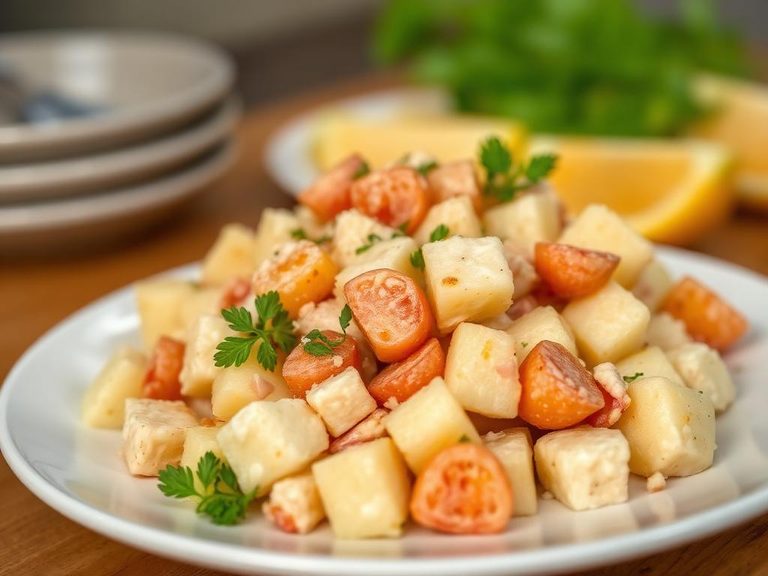
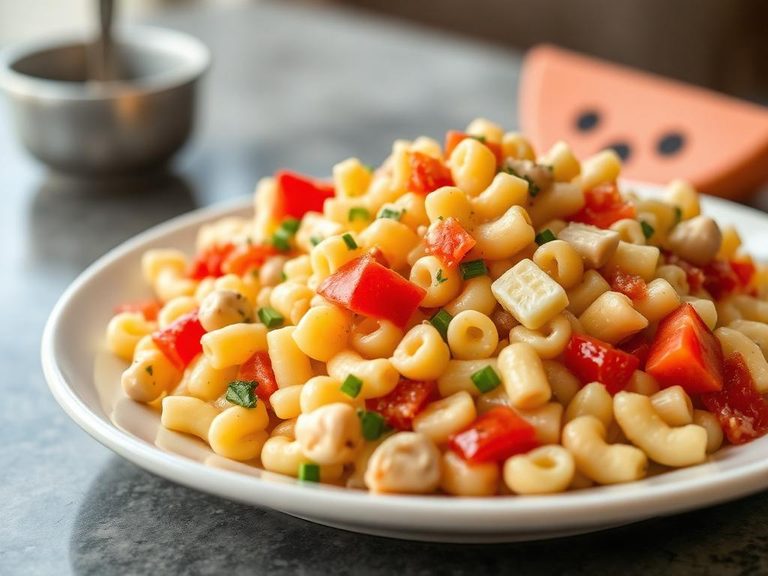

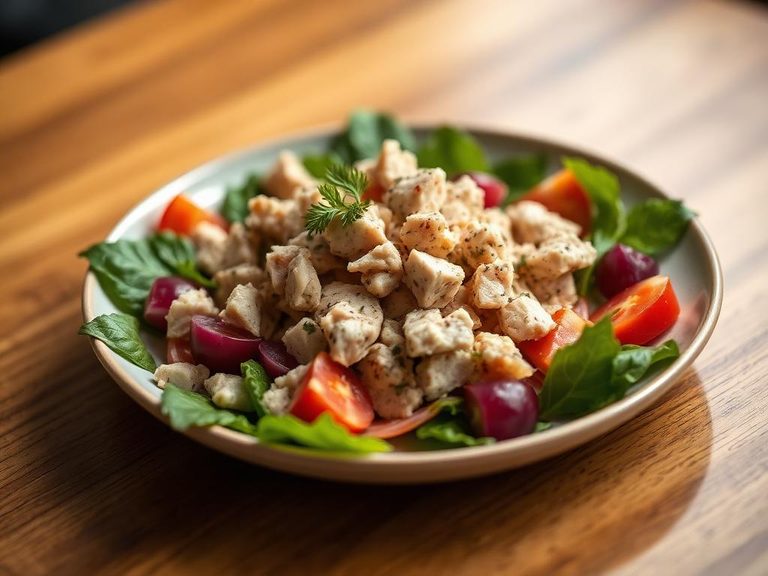
🌍 Where it's eaten
💡 Did you know?
Miracle Whip was originally developed during the Great Depression as a more affordable alternative to mayonnaise, using a blend of oil, water, vinegar, and spices that was patented as a 'salad dressing' to distinguish it legally.
Full nutrition (USDA data · scales with serving)
| Water | 78.7 g |
| Energy | 84.0 kcal |
| Energy | 351 kj |
| Protein | 0.20 g |
| Total lipid (fat) | 2.7 g |
| Ash | 1.9 g |
| Carbohydrate, by difference | 15.5 g |
| Fiber, total dietary | 1.9 g |
| Total Sugars | 10.3 g |
| Calcium, Ca | 6.0 mg |
| Iron, Fe | 0.12 mg |
| Phosphorus, P | 5.0 mg |
| Potassium, K | 49.0 mg |
| Sodium, Na | 788 mg |
| Vitamin C, total ascorbic acid | 0.00 mg |
| Vitamin A, IU | 69.0 iu |
Fat & fatty acid profile (per 100g)
| Fatty acids, total saturated | 0.60 g |
| Cholesterol | 9.0 mg |
Amino acid profile (per 100g)
Estimated from Salad dressing, sesame seed dressing, regular — USDA does not publish this profile for Salad dressing.
| Tryptophan | 0.05 g |
| Threonine | 0.05 g |
| Isoleucine | 0.05 g |
| Leucine | 0.08 g |
| Lysine | 0.14 g |
| Methionine | 0.03 g |
| Cystine | 0.00 g |
| Phenylalanine | 0.09 g |
| Tyrosine | 0.10 g |
| Valine | 0.07 g |
| Arginine | 0.40 g |
| Histidine | 0.03 g |
| Alanine | 0.00 g |
| Aspartic acid | 0.00 g |
| Glutamic acid | 0.46 g |
| Glycine | 0.00 g |
| Proline | 0.00 g |
| Serine | 0.00 g |
FAQ
How does Miracle Whip Free differ from regular Miracle Whip?
Miracle Whip Free is a nonfat version, significantly reducing calories and fat while maintaining a similar sweet and tangy flavor profile, though it often contains added sugars to compensate for texture and taste.
Is it suitable for a low-carb diet?
No, with 15.5g of carbohydrates (mostly sugar) per 100g, it is not ideal for strict low-carb or ketogenic diets. Consider using a small amount as a flavoring rather than a primary dressing.
Can it be used in cooking or baking?
Yes, it can be used as a tangy base in dips, a glaze for meats, or incorporated into baked goods like savory scones to add moisture and a subtle zesty flavor.
Nutrient density (calculated · NRF9.3)
Nutrient Rich Foods index: beneficial nutrients (protein, fiber, vitamins, minerals) minus saturated fat, added sugar & sodium, per 100 kcal.
NRF9.3 index — Fulgoni, Keast & Drewnowski, 2009. Computed from USDA nutrients.
Weight-loss friendliness (composite index)
Energy density 0.84 kcal/g · 1% calories from protein · 1.9 g fiber · 10.3 g sugar per 100 g.
Composite of energy density (Rolls et al., 1999), protein & fiber satiety, minus sugar. A calculated heuristic — ranks satiety-per-calorie, not a clinical measure.
Dietary load (calculated from USDA values)
Potential renal acid load. Positive = acid-forming, negative = alkaline-forming.
Sodium-to-potassium ratio: 16.08 (lower is better — aim for ≤ 1)
Sodium:potassium per WHO potassium guidance. Computed from USDA nutrients.