

Mustard spinach, (tendergreen), cooked, boiled, drained, without salt
Whole food · Vegetables and Vegetable Products
Mustard spinach, or tendergreen, is a leafy green that cooks down into a silky, slightly succulent texture with a mild, peppery bite reminiscent of a gentle mustard kick. Nutritionally, it's a standout for being exceptionally low in calories while delivering a solid dose of fiber and plant-based protein for its size.
Calorie split: 34% protein · 57% carbs · 9% fat
↓ Full nutrition💚 Why it's loved
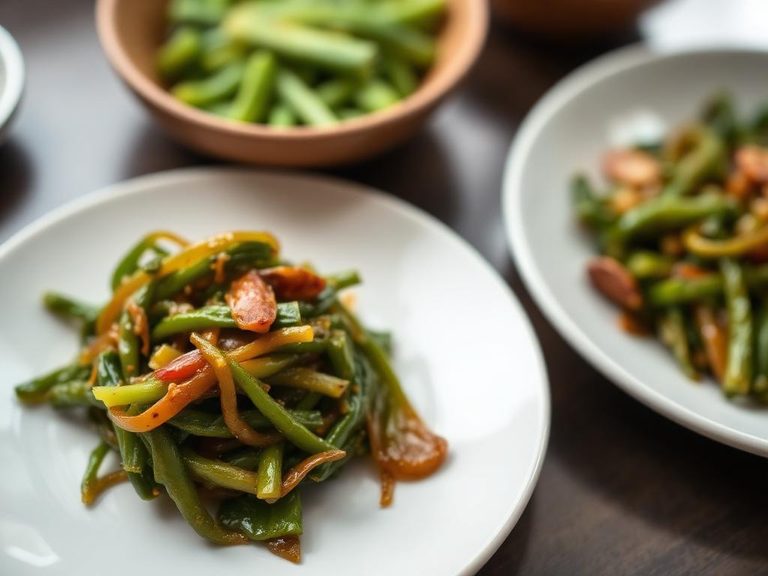
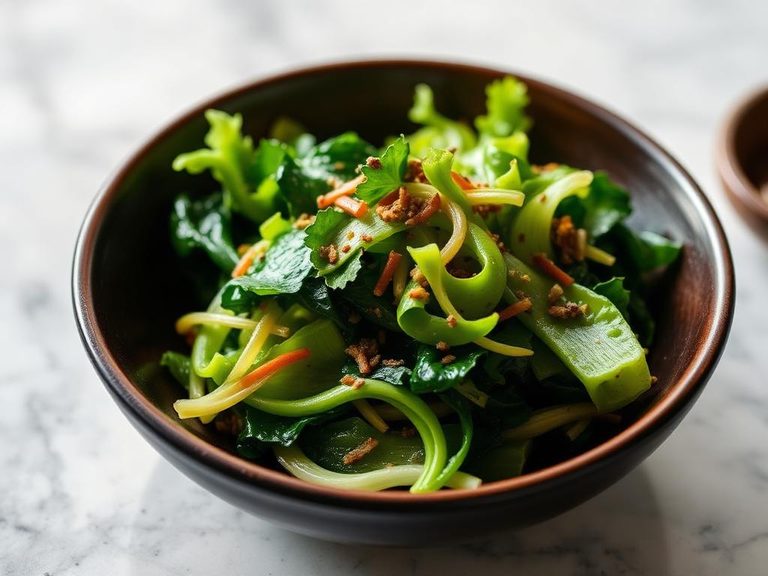
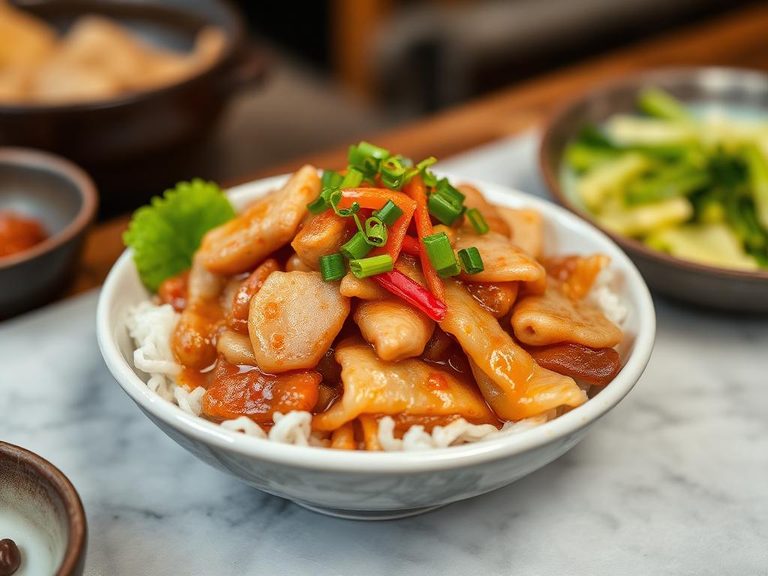
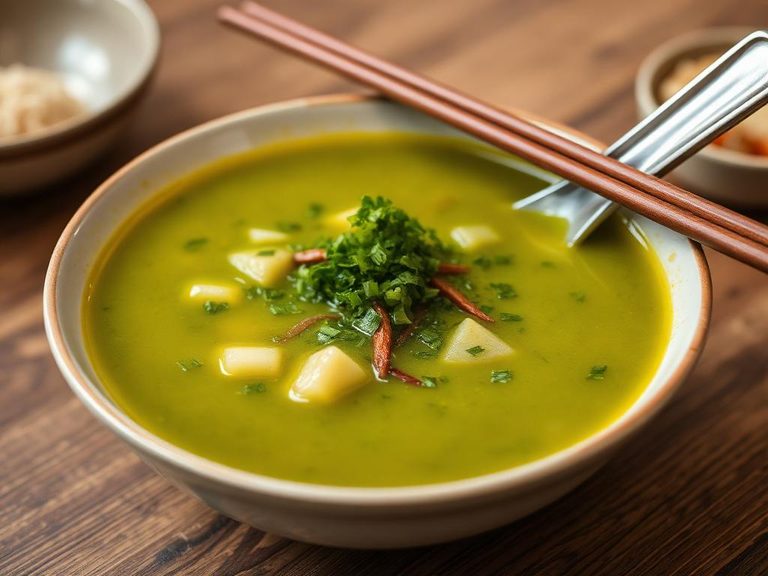
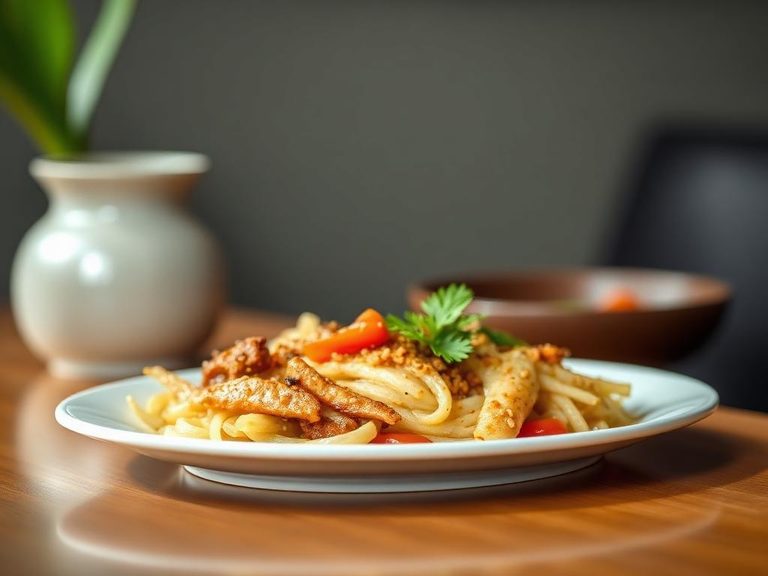
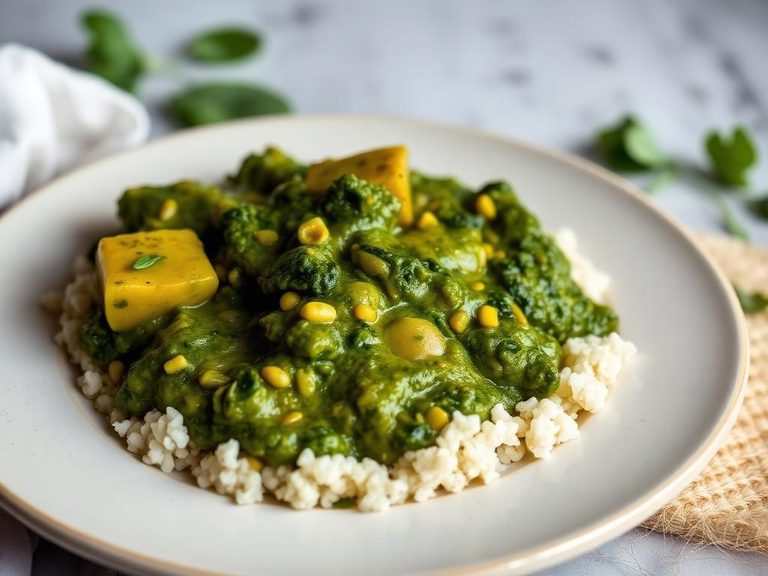
People love it for its tender texture and versatile, mildly spicy flavor that adds depth to soups and stir-fries without overpowering other ingredients. It's a beloved staple in many Asian cuisines for its ability to absorb savory sauces beautifully.
⚠️ Watch-outs & how to enjoy it better
The leaves contain oxalates, which can contribute to kidney stone formation in susceptible individuals. To mitigate this, always cook the greens (boiling can reduce oxalate content) and avoid pairing them with high-oxalate foods like spinach in the same meal. Those on blood-thinning medication should be mindful of its vitamin K content.
Key benefits
- Excellent source of dietary fiber for digestive health.
- Provides plant-based protein with virtually no fat.
- Very low in calories, ideal for volume eating.
- Rich in vitamins A, C, and K, as well as calcium and iron.
- Contains glucosinolates, compounds studied for their potential health benefits.
🍽️ Popular dishes
🌍 Where it's eaten
💡 Did you know?
Despite its name, mustard spinach is not related to true spinach (Spinacia oleracea) but is a member of the mustard family (Brassicaceae), making it a closer cousin to broccoli and cabbage.
Full nutrition (USDA data · scales with serving)
| Water | 94.5 g |
| Energy | 16.0 kcal |
| Energy | 67.0 kj |
| Protein | 1.7 g |
| Total lipid (fat) | 0.20 g |
| Ash | 0.80 g |
| Carbohydrate, by difference | 2.8 g |
| Fiber, total dietary | 2.0 g |
| Calcium, Ca | 158 mg |
| Iron, Fe | 0.80 mg |
| Magnesium, Mg | 7.0 mg |
| Phosphorus, P | 18.0 mg |
| Potassium, K | 285 mg |
| Sodium, Na | 14.0 mg |
| Zinc, Zn | 0.11 mg |
| Copper, Cu | 0.05 mg |
| Manganese, Mn | 0.27 mg |
| Selenium, Se | 0.60 ug |
| Vitamin C, total ascorbic acid | 65.0 mg |
| Thiamin | 0.04 mg |
| Riboflavin | 0.06 mg |
| Niacin | 0.43 mg |
| Pantothenic acid | 0.12 mg |
| Vitamin B-6 | 0.10 mg |
| Folate, total | 73.0 ug |
| Folic acid | 0.00 ug |
| Folate, food | 73.0 ug |
| Folate, DFE | 73.0 ug |
| Vitamin B-12 | 0.00 ug |
| Vitamin A, RAE | 410 ug |
| Retinol | 0.00 ug |
| Vitamin A, IU | 8200 iu |
| Vitamin D (D2 + D3), International Units | 0.00 iu |
| Vitamin D (D2 + D3) | 0.00 ug |
Fat & fatty acid profile (per 100g)
| Fatty acids, total trans | 0.00 g |
| Cholesterol | 0.00 mg |
FAQ
Is mustard spinach the same as regular spinach?
No. Mustard spinach (Brassica juncea) is a different plant from true spinach (Spinacia oleracea). It belongs to the mustard/cabbage family, which gives it a slightly peppery flavor, unlike the milder, earthier taste of true spinach.
How do I reduce the peppery bite?
The mild peppery flavor comes from glucosinolates. Cooking methods like boiling or stir-frying with a splash of water or broth can mellow the flavor significantly. Adding a pinch of sugar or a splash of soy sauce during cooking can also balance the taste.
Can I eat mustard spinach raw?
Yes, young, tender leaves can be used raw in salads for a peppery kick. However, cooking is more common as it softens the texture and reduces the concentration of certain compounds like oxalates.
Nutrient density (calculated · NRF9.3)
Nutrient Rich Foods index: beneficial nutrients (protein, fiber, vitamins, minerals) minus saturated fat, added sugar & sodium, per 100 kcal.
NRF9.3 index — Fulgoni, Keast & Drewnowski, 2009. Computed from USDA nutrients.
Weight-loss friendliness (composite index)
Energy density 0.16 kcal/g · 43% calories from protein · 2.0 g fiber · 0.0 g sugar per 100 g.
Composite of energy density (Rolls et al., 1999), protein & fiber satiety, minus sugar. A calculated heuristic — ranks satiety-per-calorie, not a clinical measure.
Dietary load (calculated from USDA values)
Potential renal acid load. Positive = acid-forming, negative = alkaline-forming.
Sodium-to-potassium ratio: 0.05 (lower is better — aim for ≤ 1)
Sodium:potassium per WHO potassium guidance. Computed from USDA nutrients.