Indian Saag
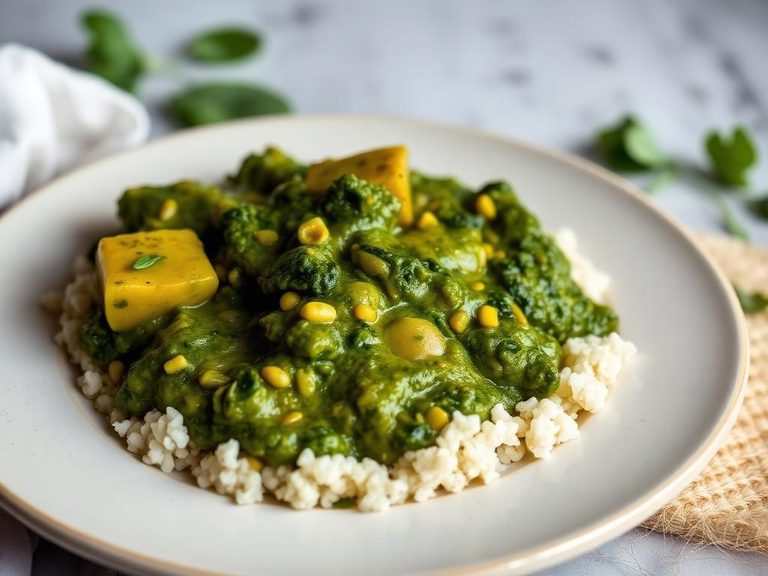
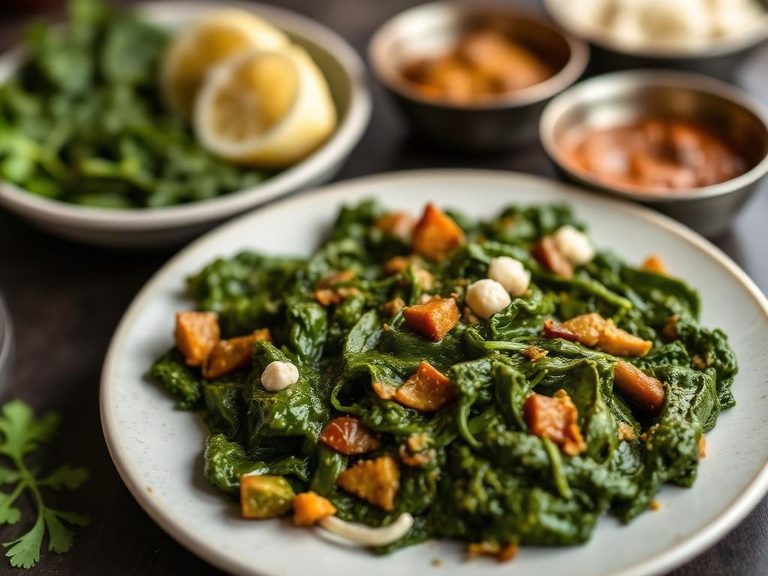
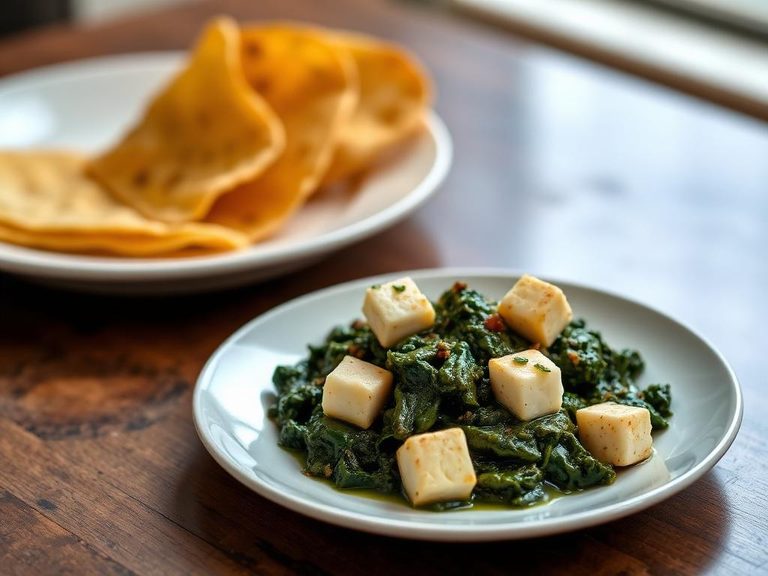
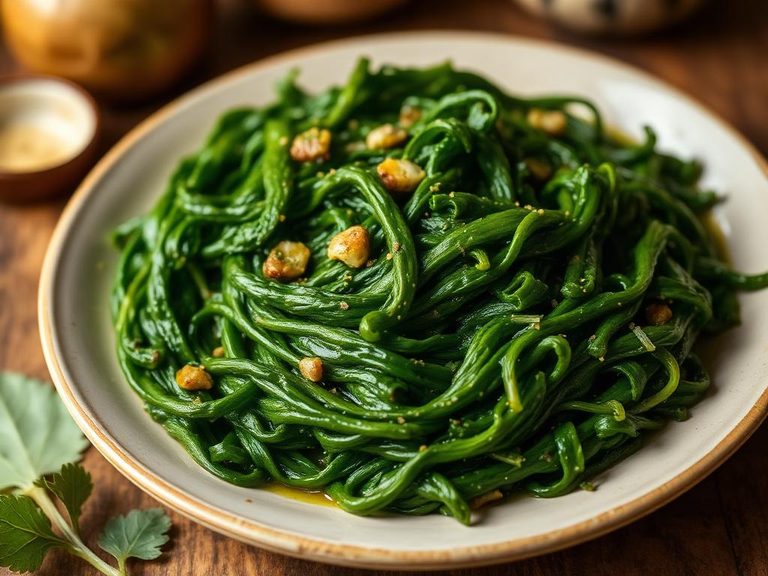
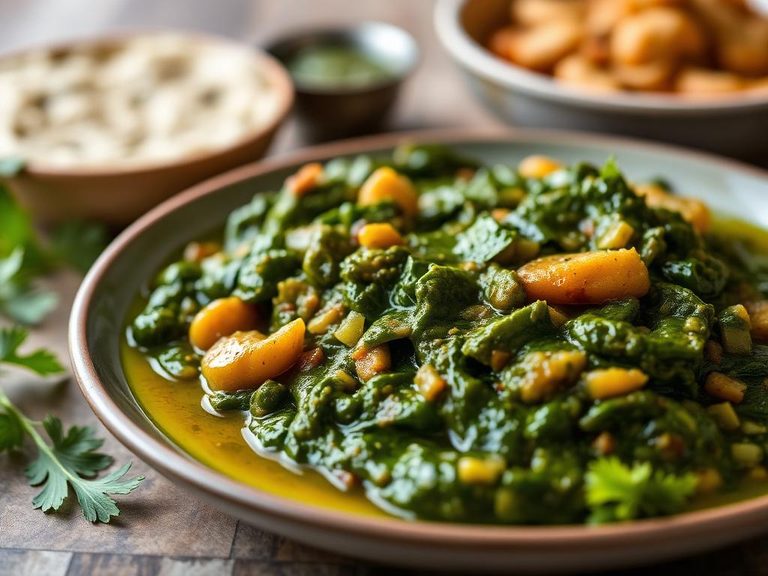
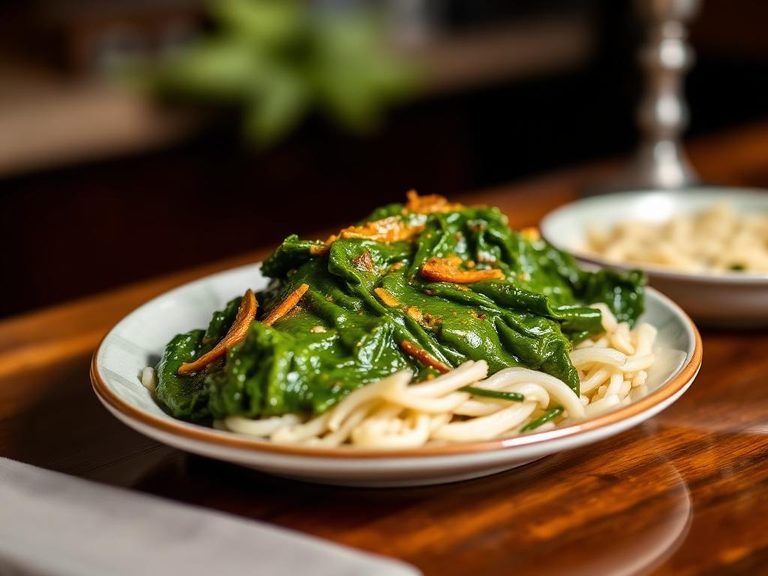
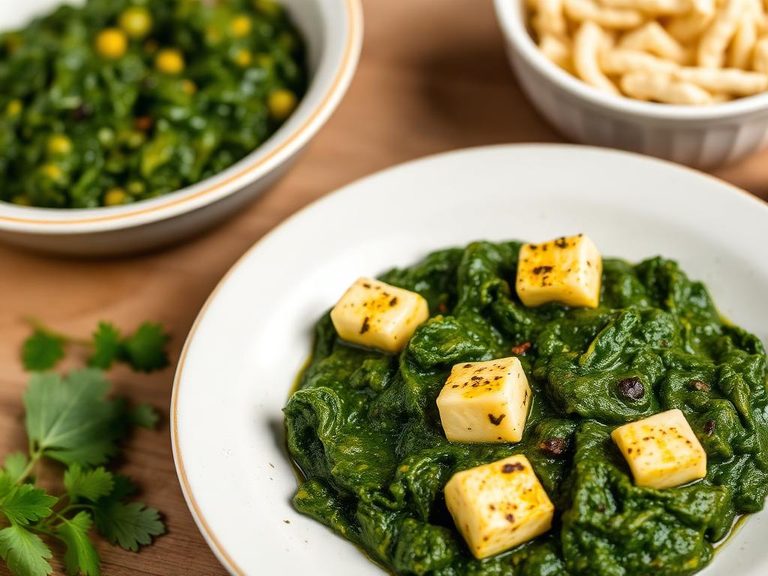
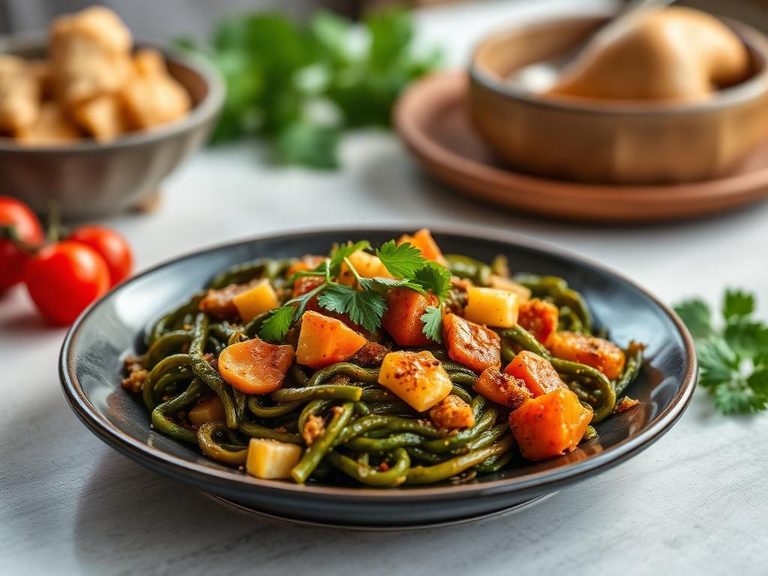
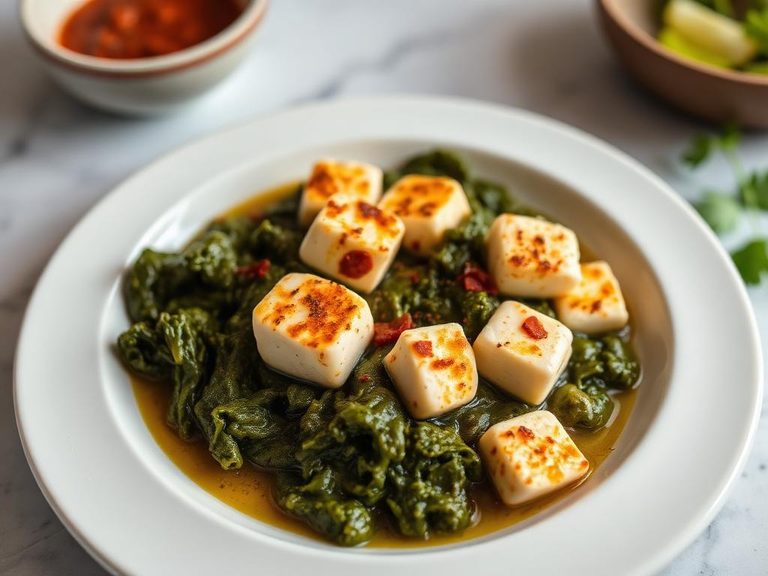
Indian Saag is a rich, creamy curry from the Indian subcontinent, traditionally made with a blend of leafy greens like spinach and mustard greens, simmered with spices, onions, tomatoes, and often paneer or meat. It's a staple in North Indian and Punjabi cuisine, known for its vibrant green color and comforting, earthy flavor.
🍽️ Nutrition at a glance
Saag is generally high in fiber and protein (especially when made with paneer or meat), with a moderate amount of fat from cooking oil or ghee, and relatively low in carbohydrates. A typical serving (about 1 cup) provides around 200-300 calories, along with key nutrients like iron, vitamins A, C, and K, and calcium from the greens and dairy.
Nutrition breakdown
| Calories | 180 kcal |
| Protein | 9 g |
| Carbs | 12 g |
| Fat | 11 g |
| Fiber | 5 g |
| Sugar | 3 g |
| Sodium | 480 mg |
| Vitamin A | 600 µg RAE |
| Vitamin C | 30 mg |
| Vitamin K | 450 µg |
| Folate | 180 µg DFE |
| Iron | 4.5 mg |
| Calcium | 150 mg |
| Magnesium | 80 mg |
| Potassium | 550 mg |
Per 1 cup (240 g) · estimated, varies by recipe
💡 What's interesting
Culturally, Saag is deeply rooted in agrarian traditions, often prepared during winter months when fresh mustard greens are abundant, and it's a key part of festivals like Lohri. Nutritionally, it's unique for being a nutrient-dense dish that packs multiple leafy greens into a single meal, making it an efficient way to boost vegetable intake while enjoying a flavorful, hearty curry.