Indian Saag or Sarson ka Saag
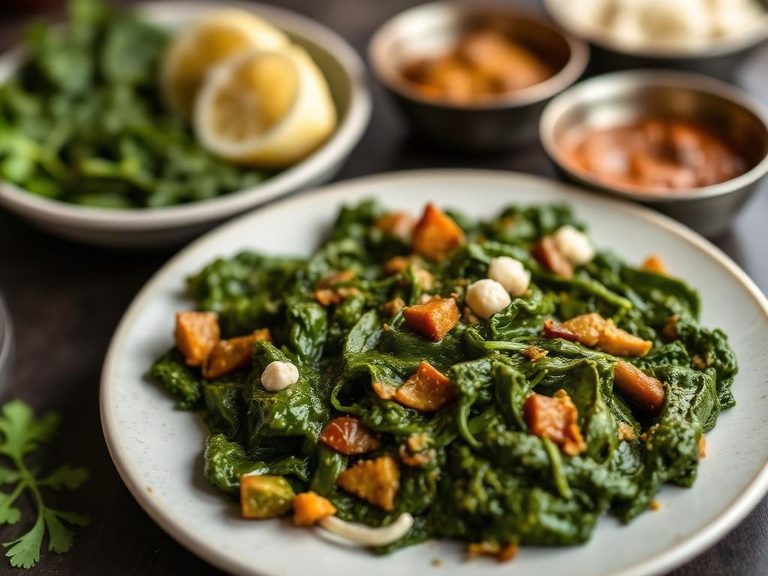
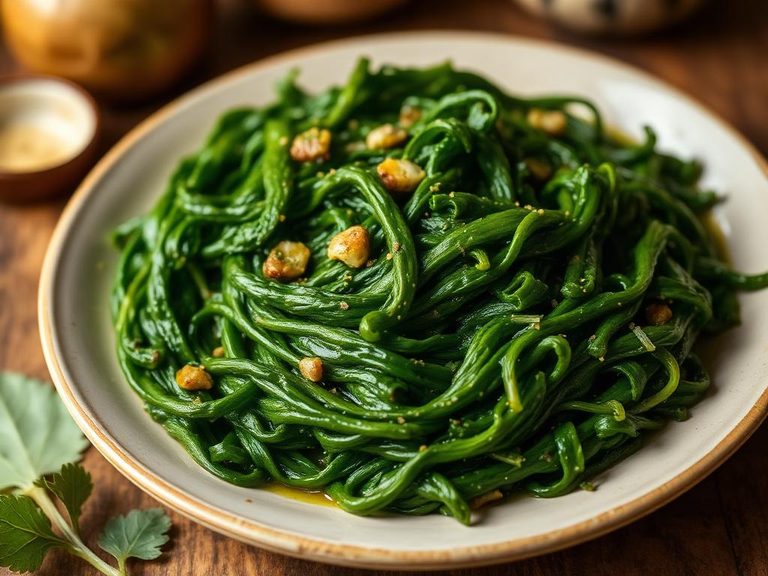
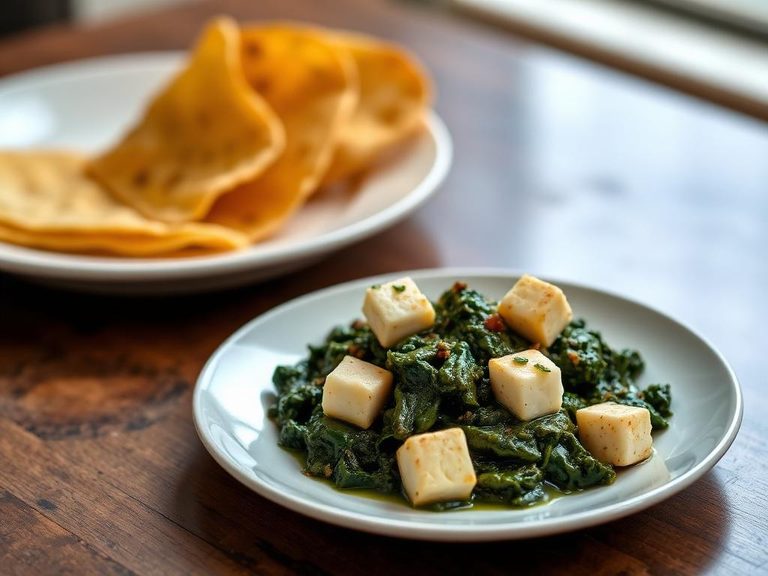
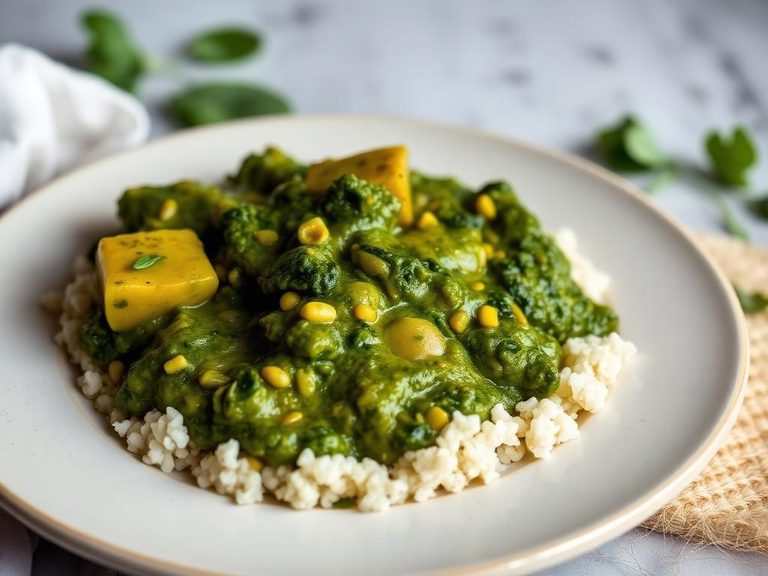
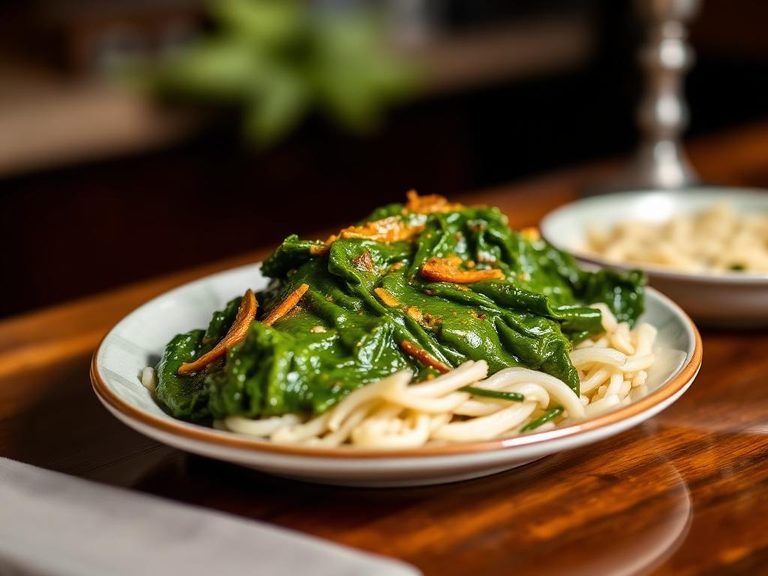
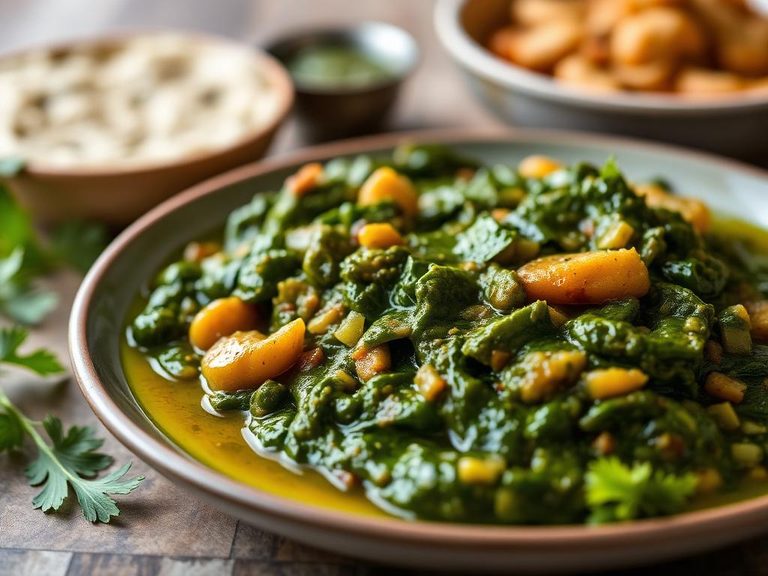
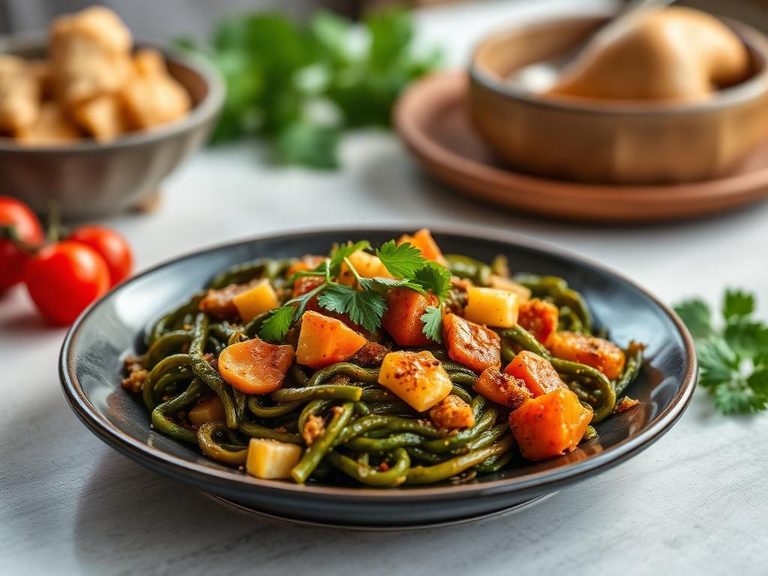
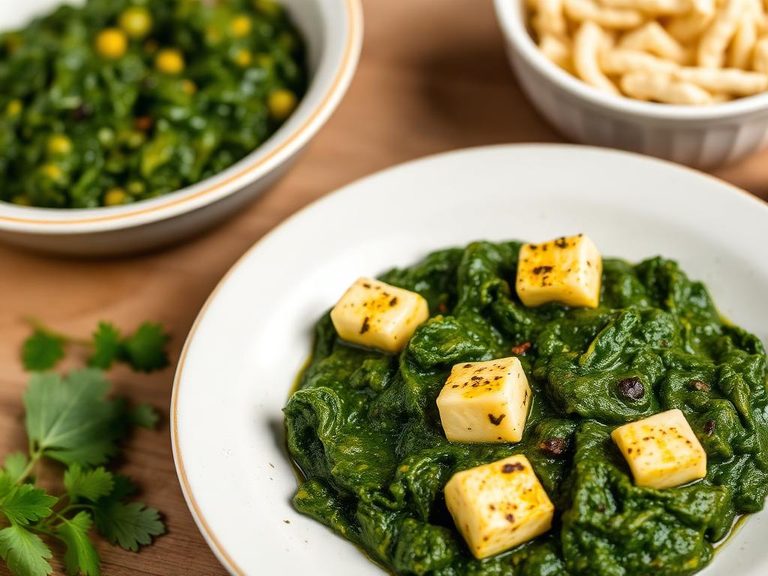
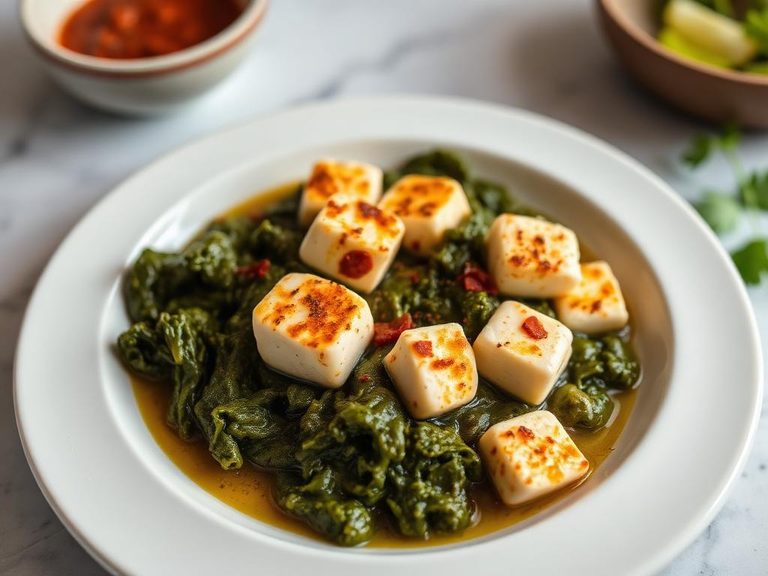
Sarson ka Saag is a beloved winter dish from North India, particularly Punjab, made from slow-cooked mustard greens (sarson) blended with other leafy greens like spinach or bathua. It's traditionally tempered with spices, garlic, ginger, and a generous dollop of butter or ghee, often served with makki ki roti (cornmeal flatbread).
🍽️ Nutrition at a glance
This dish is relatively low in carbs but can be moderate in fat depending on the amount of ghee or butter used, and it provides a good source of plant-based protein, dietary fiber, and essential nutrients like iron, calcium, and vitamins A, C, and K. A typical serving (about 1 cup) ranges from 150 to 250 calories.
Nutrition breakdown
| Calories | 210 kcal |
| Protein | 9 g |
| Carbs | 15 g |
| Fat | 14 g |
| Fiber | 6 g |
| Sugar | 3 g |
| Sodium | 480 mg |
| Vitamin A | 450 mcg RAE |
| Vitamin C | 25 mg |
| Vitamin K | 180 mcg |
| Folate | 120 mcg DFE |
| Calcium | 180 mg |
| Iron | 3.5 mg |
| Magnesium | 55 mg |
| Potassium | 350 mg |
Per 1 cup (240 g) · estimated, varies by recipe
💡 What's interesting
Culturally, Sarson ka Saag is a seasonal delicacy tied to the winter harvest in Punjab and is often enjoyed during festivals like Lohri, symbolizing warmth and community. Nutritionally, its combination of leafy greens offers a powerhouse of antioxidants and anti-inflammatory compounds, making it both comforting and healthful.