

Fireweed, leaves, raw
Whole food · Vegetables and Vegetable Products

Photo: Wikipedia
Fireweed leaves, harvested young and raw, offer a tender, slightly chewy texture with a mild, earthy flavor reminiscent of spinach but with a subtle, pleasant bitterness. Their vibrant green color signals a powerhouse of nutrients, especially their impressive fiber content, which makes them a standout choice for digestive health. This wild green is a forager's delight, transforming simple meals with its unique, wild-harvested character.
Calorie split: 16% protein · 64% carbs · 21% fat
↓ Full nutrition💚 Why it's loved
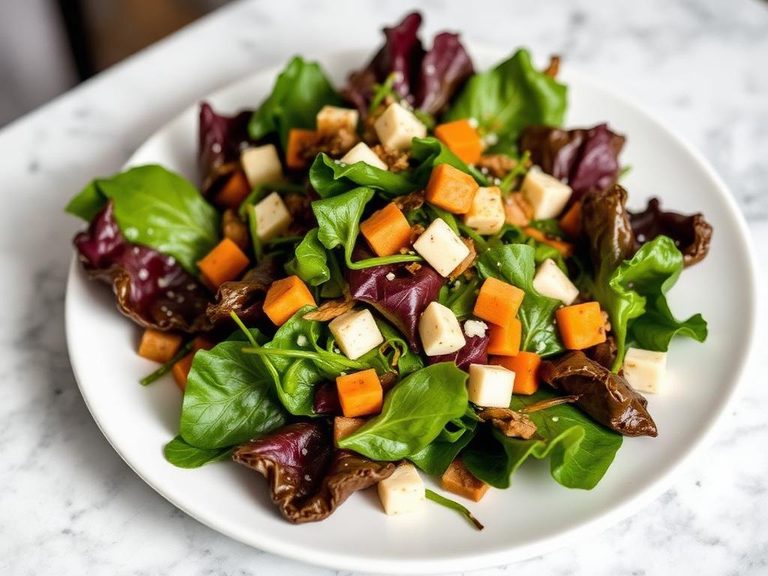
People cherish fireweed leaves for their authentic, wild-foraged taste that connects them to nature and traditional foodways. Their versatility allows them to be used fresh in salads or cooked like spinach, adding a unique depth to both rustic and refined dishes.
⚠️ Watch-outs & how to enjoy it better
The leaves contain oxalates, which can contribute to kidney stone formation in susceptible individuals. To mitigate this, blanching or cooking the leaves before consumption is recommended, and those with a history of kidney issues should consult a healthcare provider. Additionally, as a wild plant, proper identification is crucial to avoid confusing it with toxic look-alikes.
Key benefits
- Exceptionally high in dietary fiber (10.6g per 100g)
- Good source of plant-based protein (4.71g per 100g)
- Low in fat and contains no sugar
- Rich in vitamins and minerals typical of dark leafy greens
- A sustainable, foraged wild food
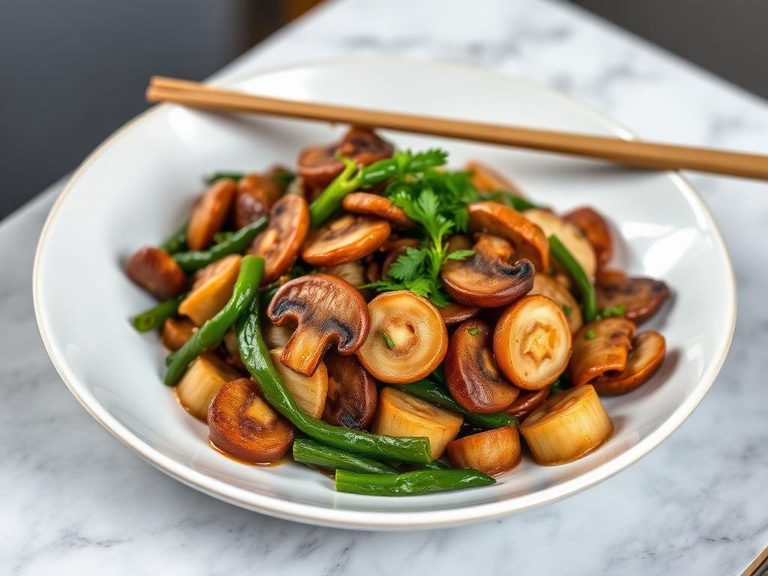
🍽️ Popular dishes

🌍 Where it's eaten
💡 Did you know?
Fireweed is a pioneer species that is often the first plant to colonize areas devastated by wildfire, earning it the nickname 'fireweed' and symbolizing renewal and resilience in many cultures.
Full nutrition (USDA data · scales with serving)
| Water | 70.8 g |
| Energy | 103 kcal |
| Energy | 431 kj |
| Protein | 4.7 g |
| Total lipid (fat) | 2.8 g |
| Ash | 2.5 g |
| Carbohydrate, by difference | 19.2 g |
| Fiber, total dietary | 10.6 g |
| Calcium, Ca | 429 mg |
| Iron, Fe | 2.4 mg |
| Magnesium, Mg | 156 mg |
| Phosphorus, P | 108 mg |
| Potassium, K | 494 mg |
| Sodium, Na | 34.0 mg |
| Zinc, Zn | 2.7 mg |
| Copper, Cu | 0.32 mg |
| Manganese, Mn | 6.7 mg |
| Selenium, Se | 0.90 ug |
| Vitamin C, total ascorbic acid | 2.2 mg |
| Thiamin | 0.03 mg |
| Riboflavin | 0.14 mg |
| Niacin | 4.7 mg |
| Pantothenic acid | 1.4 mg |
| Vitamin B-6 | 0.63 mg |
| Folate, total | 112 ug |
| Folic acid | 0.00 ug |
| Folate, food | 112 ug |
| Folate, DFE | 112 ug |
| Vitamin B-12 | 0.00 ug |
| Vitamin A, RAE | 180 ug |
| Retinol | 0.00 ug |
| Vitamin A, IU | 3598 iu |
| Vitamin D (D2 + D3), International Units | 0.00 iu |
| Vitamin D (D2 + D3) | 0.00 ug |
| Alcohol, ethyl | 0.00 g |
Fat & fatty acid profile (per 100g)
| Fatty acids, total trans | 0.00 g |
| Cholesterol | 0.00 mg |
FAQ
What does raw fireweed leaf taste like?
Raw fireweed leaves have a mild, earthy, and slightly peppery or bitter flavor, often compared to a more complex version of spinach or arugula.
How do I prepare fireweed leaves for eating?
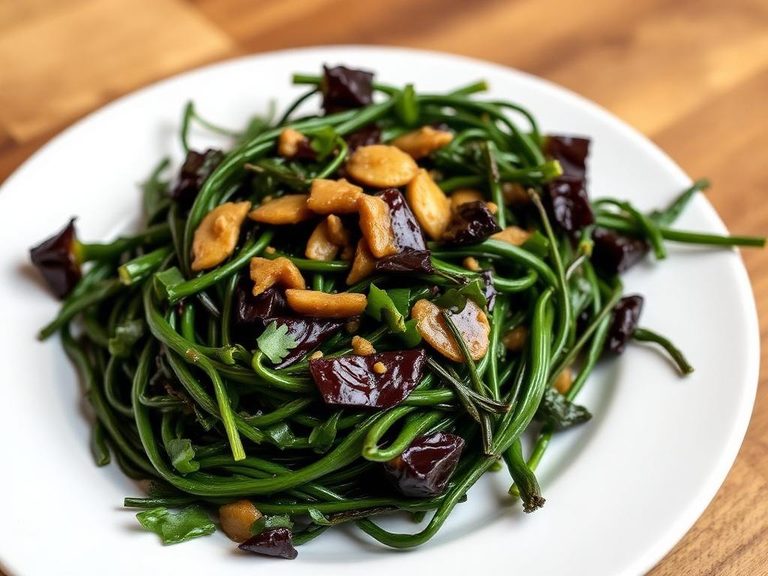
Young, tender leaves are best for raw use in salads. For cooking, treat them like spinach—sauté, steam, or blanch them to reduce bitterness and oxalate content.
Are there any parts of the fireweed plant I shouldn't eat?
Focus on the young leaves and shoots. Older leaves can become tough and more bitter. The roots and flowers are also edible but are used differently.
Where can I find fireweed?
It grows widely in northern temperate regions, often in open fields, meadows, and areas recovering from disturbance. Always forage responsibly and positively identify the plant.
Nutrient density (calculated · NRF9.3)
Nutrient Rich Foods index: beneficial nutrients (protein, fiber, vitamins, minerals) minus saturated fat, added sugar & sodium, per 100 kcal.
NRF9.3 index — Fulgoni, Keast & Drewnowski, 2009. Computed from USDA nutrients.
Weight-loss friendliness (composite index)
Energy density 1.03 kcal/g · 18% calories from protein · 10.6 g fiber · 0.0 g sugar per 100 g.
Composite of energy density (Rolls et al., 1999), protein & fiber satiety, minus sugar. A calculated heuristic — ranks satiety-per-calorie, not a clinical measure.
Dietary load (calculated from USDA values)
Potential renal acid load. Positive = acid-forming, negative = alkaline-forming.
Sodium-to-potassium ratio: 0.07 (lower is better — aim for ≤ 1)
Sodium:potassium per WHO potassium guidance. Computed from USDA nutrients.