

Cereals ready-to-eat, SUN COUNTRY, KRETSCHMER Wheat Germ, Regular
Whole food · Breakfast Cereals

Photo: Wikipedia
Kretschmer Wheat Germ is the nutrient-dense, toasted inner kernel of the wheat berry, offering a satisfyingly crunchy, nutty, and slightly sweet flavor. It's a powerhouse ingredient, packing a remarkable 31 grams of protein and nearly 12 grams of fiber per 100 grams, making it a staple for boosting nutrition in everyday meals.
Calorie split: 31% protein · 48% carbs · 21% fat
↓ Full nutrition💚 Why it's loved
People love it for its versatile, toasty crunch that enhances everything from breakfast bowls to baked goods. It's a beloved pantry staple for those seeking a simple, nutrient-dense boost without altering a dish's core flavor.
⚠️ Watch-outs & how to enjoy it better
Its high fiber and protein content can cause digestive discomfort if introduced too quickly. For those monitoring blood sugar, its carbohydrate count warrants portion awareness. Tip: Start with a tablespoon mixed into foods and increase gradually, and always pair it with a healthy fat or protein source like yogurt or nuts to moderate glycemic impact.
Key benefits
- Excellent source of plant-based protein
- High in dietary fiber for digestive health
- Rich in essential minerals like manganese and magnesium
- Contains natural B vitamins and vitamin E
- Provides a sustained energy release from complex carbs
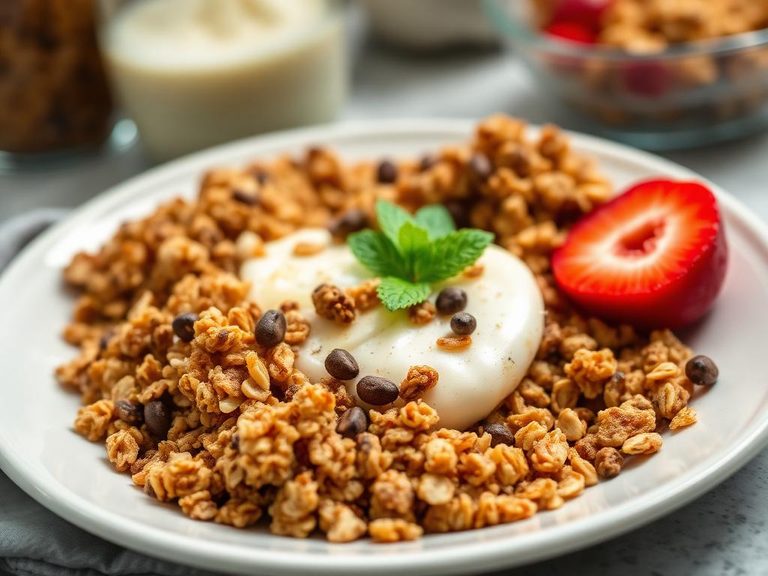
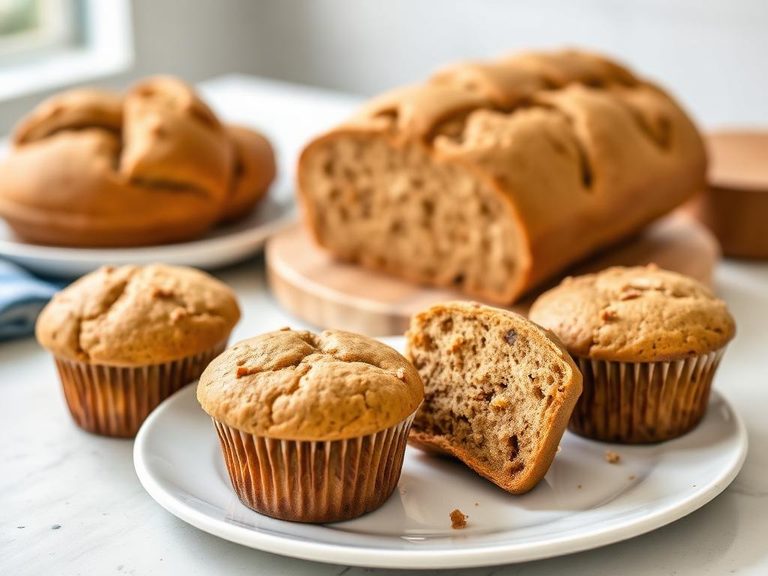
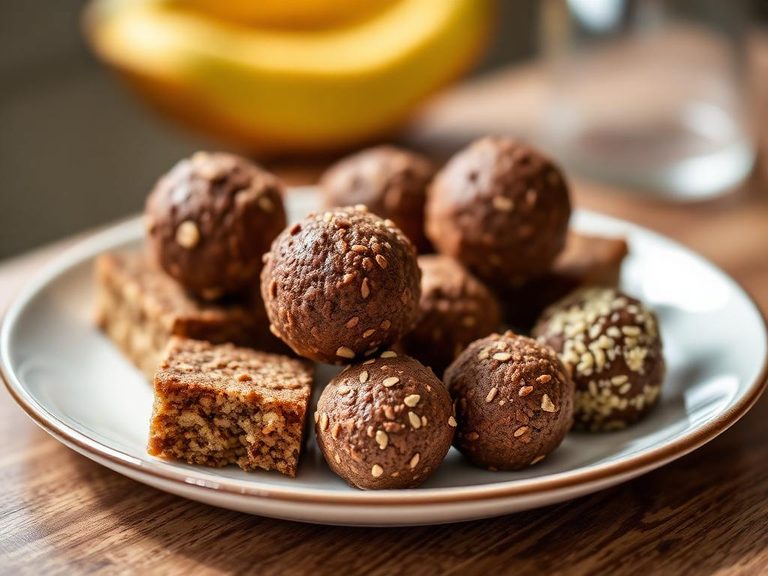
🍽️ Popular dishes


🌍 Where it's eaten
💡 Did you know?
Wheat germ is the embryo of the wheat kernel—the part that would sprout into a new plant—and it constitutes only about 2-3% of the wheat grain's weight, concentrating its most vital nutrients.
Full nutrition (USDA data · scales with serving)
| Water | 4.8 g |
| Energy | 366 kcal |
| Energy | 1532 kj |
| Protein | 31.4 g |
| Total lipid (fat) | 9.6 g |
| Ash | 4.8 g |
| Carbohydrate, by difference | 49.4 g |
| Fiber, total dietary | 11.9 g |
| Total Sugars | 7.1 g |
| Calcium, Ca | 50.0 mg |
| Iron, Fe | 8.3 mg |
| Magnesium, Mg | 313 mg |
| Phosphorus, P | 1130 mg |
| Potassium, K | 1097 mg |
| Sodium, Na | 6.0 mg |
| Zinc, Zn | 16.0 mg |
| Copper, Cu | 0.62 mg |
| Manganese, Mn | 19.1 mg |
| Vitamin C, total ascorbic acid | 6.0 mg |
| Thiamin | 2.0 mg |
| Riboflavin | 0.78 mg |
| Niacin | 5.6 mg |
| Pantothenic acid | 1.4 mg |
| Vitamin B-6 | 0.60 mg |
| Folate, total | 669 ug |
| Folic acid | 317 ug |
| Folate, food | 352 ug |
| Folate, DFE | 892 ug |
| Vitamin B-12 | 0.21 ug |
| Vitamin A, RAE | 6.0 ug |
| Retinol | 0.00 ug |
| Vitamin A, IU | 127 iu |
| Vitamin E (alpha-tocopherol) | 19.3 mg |
| Vitamin D (D2 + D3), International Units | 0.00 iu |
| Vitamin D (D2 + D3) | 0.00 ug |
Fat & fatty acid profile (per 100g)
| Fatty acids, total saturated | 1.7 g |
| Fatty acids, total monounsaturated | 1.3 g |
| Fatty acids, total polyunsaturated | 6.0 g |
| Cholesterol | 0.00 mg |
FAQ
What does wheat germ taste like?
It has a distinctively nutty, toasty, and slightly sweet flavor, reminiscent of whole grain bread or roasted nuts.
How should I store it?
Due to its natural oils, wheat germ can go rancid. Store the opened package in an airtight container in the refrigerator or freezer to maintain freshness for months.
Can I eat it raw?
Yes, Kretschmer's is typically sold pre-toasted (regular), so it's ready to eat straight from the bag. You can sprinkle it on foods without cooking.
Nutrient density (calculated · NRF9.3)
Nutrient Rich Foods index: beneficial nutrients (protein, fiber, vitamins, minerals) minus saturated fat, added sugar & sodium, per 100 kcal.
NRF9.3 index — Fulgoni, Keast & Drewnowski, 2009. Computed from USDA nutrients.
Weight-loss friendliness (composite index)
Energy density 3.66 kcal/g · 34% calories from protein · 11.9 g fiber · 7.1 g sugar per 100 g.
Composite of energy density (Rolls et al., 1999), protein & fiber satiety, minus sugar. A calculated heuristic — ranks satiety-per-calorie, not a clinical measure.
Dietary load (calculated from USDA values)
Potential renal acid load. Positive = acid-forming, negative = alkaline-forming.
Sodium-to-potassium ratio: 0.01 (lower is better — aim for ≤ 1)
Sodium:potassium per WHO potassium guidance. Computed from USDA nutrients.