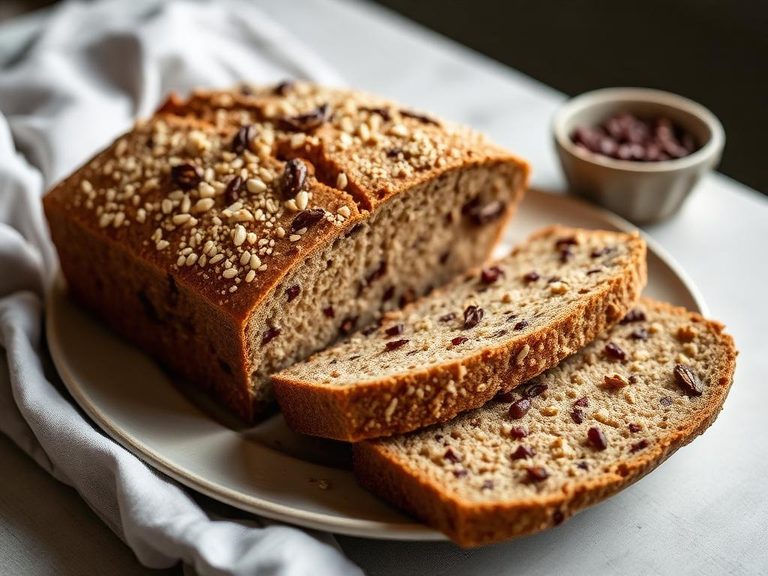
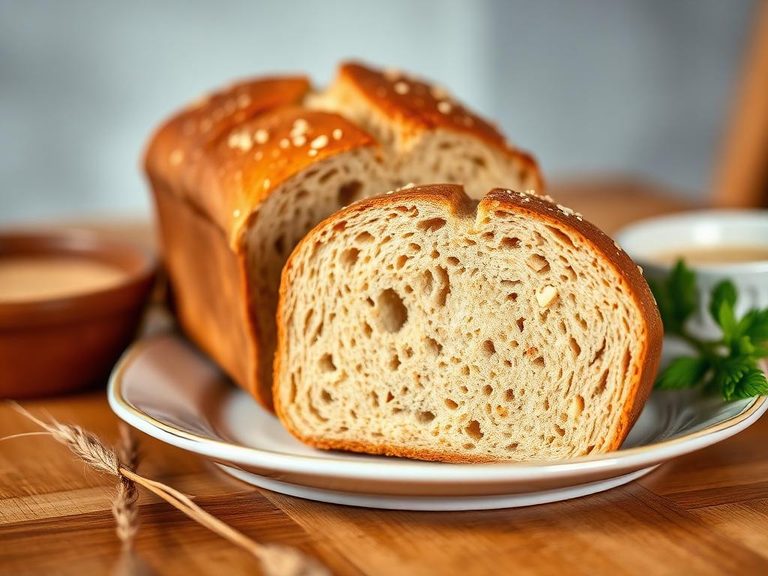
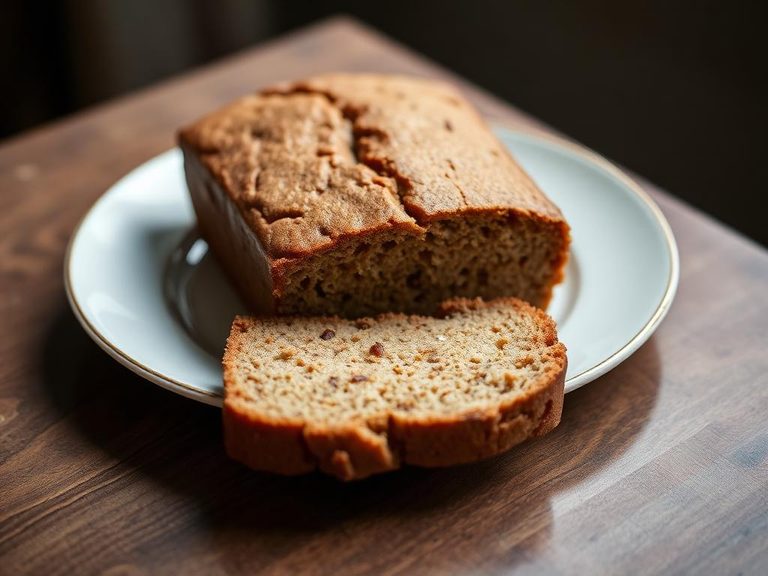
Whole wheat bread and muffins
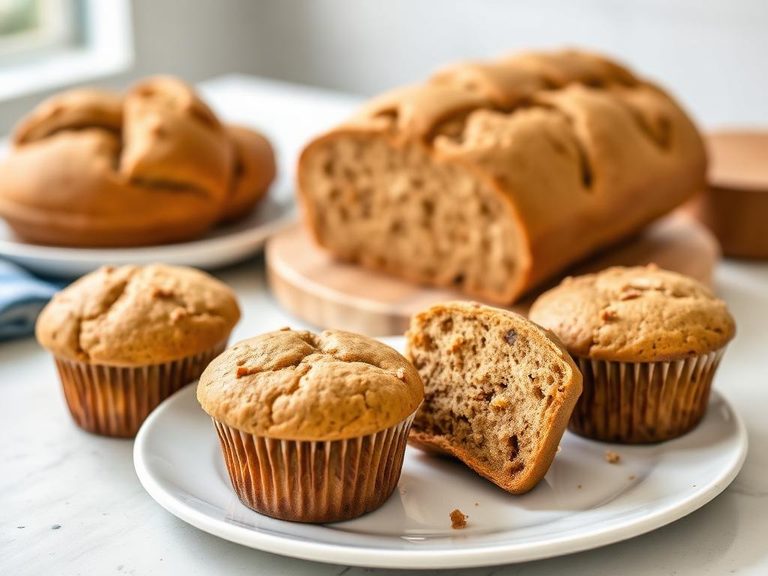
Whole wheat bread and muffins are baked goods made primarily from whole wheat flour, which retains the bran, germ, and endosperm of the wheat kernel. They are staple items in many Western diets, often enjoyed for breakfast or as a snack, with muffins frequently incorporating add-ins like fruits, nuts, or spices.
🍽️ Nutrition at a glance
These foods are generally a good source of complex carbohydrates and dietary fiber, providing sustained energy. They offer key nutrients like B vitamins, iron, and magnesium, with a typical serving containing around 150-250 calories.
Nutrition breakdown
| Calories | 190 kcal |
| Protein | 6 g |
| Carbs | 34 g |
| Fat | 3.5 g |
| Fiber | 5 g |
| Sugar | 4 g |
| Sodium | 250 mg |
| Manganese | 1.8 mg |
| Selenium | 18 mcg |
| Phosphorus | 150 mg |
| Magnesium | 50 mg |
| Niacin (B3) | 3.5 mg |
| Thiamin (B1) | 0.3 mg |
| Iron | 2.1 mg |
| Folate | 45 mcg |
Per 1 slice of bread (40 g) or 1 medium muffin (113 g) · estimated, varies by recipe
💡 What's interesting
Using whole wheat flour is a simple nutritional upgrade from refined white flour, significantly increasing fiber and nutrient content. Culturally, muffins have evolved from simple quick breads to a diverse category with countless sweet and savory variations.