

Pummelo, raw
Whole food · Fruits and Fruit Juices

Photo: Wikipedia
The pummelo is the largest citrus fruit, with a thick, spongy rind and pale, sweet-tart flesh segments that are surprisingly dry and easy to peel. Its flavor is a milder, less acidic cousin to the grapefruit, offering a refreshing, subtly floral sweetness. Nutritionally, it's a low-calorie, high-fiber choice that provides a good dose of vitamin C.
Calorie split: 7% protein · 92% carbs · 1% fat
↓ Full nutrition💚 Why it's loved
People love the pummelo for its satisfying, easy-to-eat segments and its unique, milder flavor that's less bitter than grapefruit. It's a popular snack and a symbol of prosperity and good fortune in many Asian cultures.
⚠️ Watch-outs & how to enjoy it better
Its thick, heavy rind can be cumbersome to peel, and the fruit itself is quite large, making it less convenient for a quick snack. For those on certain medications, like statins, the fruit's compounds can interfere with drug metabolism, so caution is advised; consult a healthcare provider.
Key benefits
- Rich in vitamin C for immune support
- High in dietary fiber for digestive health
- Low in calories and fat for weight management
- Contains potassium for heart health
- Provides antioxidants like flavonoids
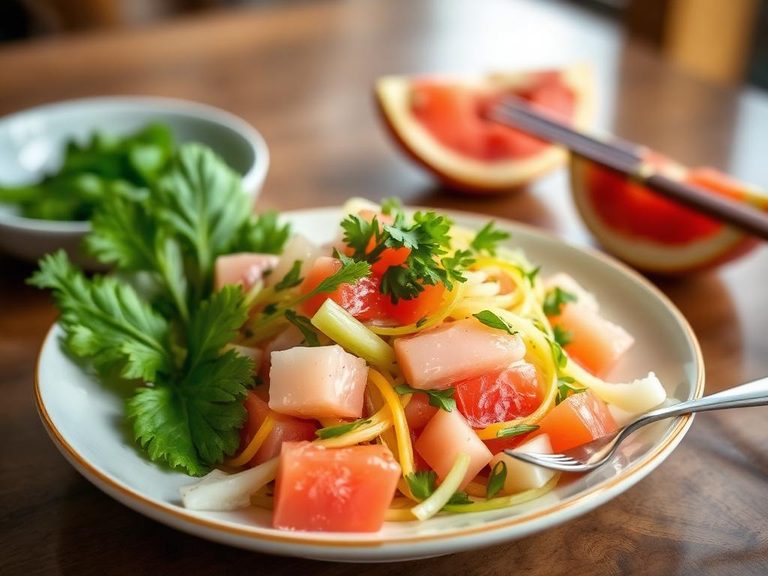
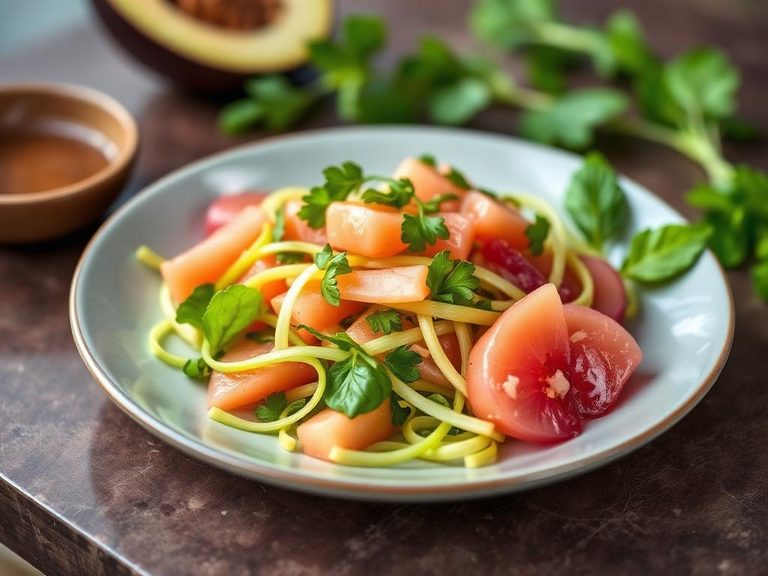
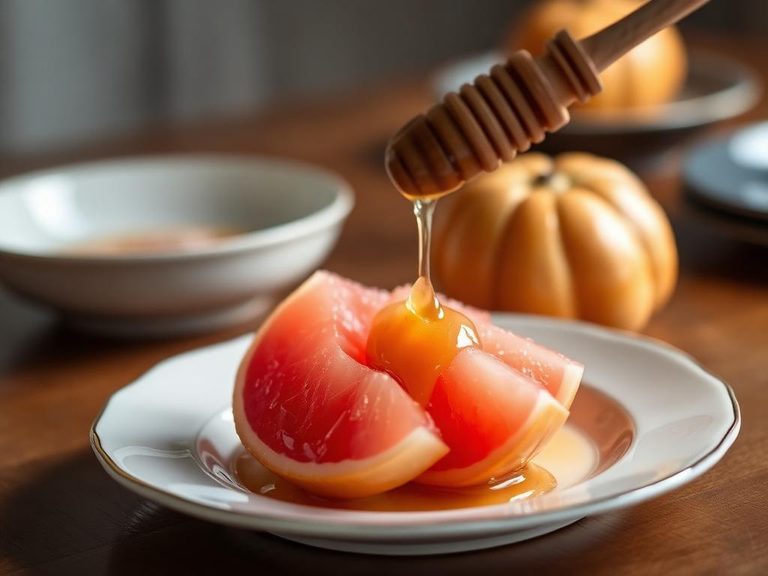
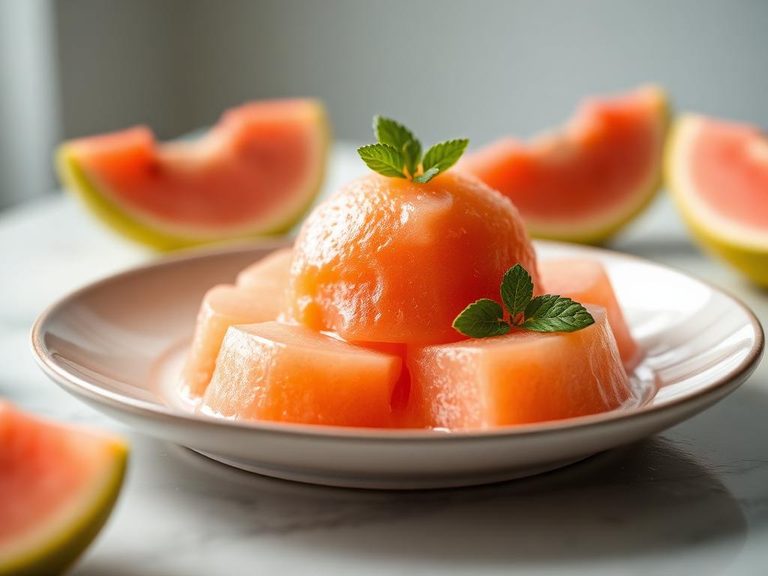
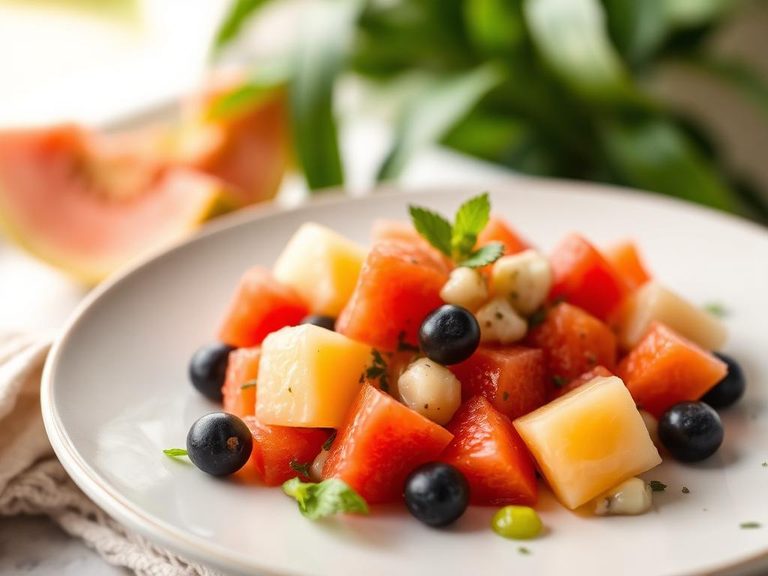
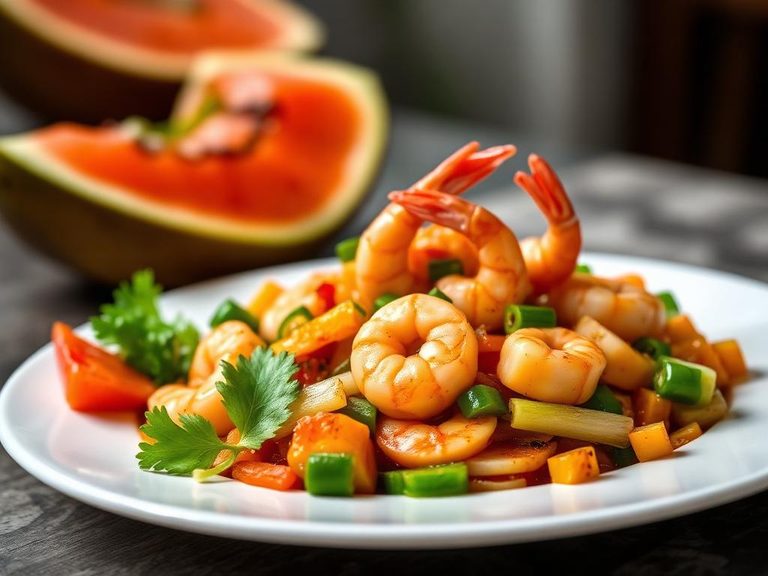
🍽️ Popular dishes
🌍 Where it's eaten
💡 Did you know?
The pummelo is the largest of all citrus fruits, with some specimens weighing over 2 kilograms (4.4 pounds).
Full nutrition (USDA data · scales with serving)
| Water | 89.1 g |
| Energy | 38.0 kcal |
| Energy | 159 kj |
| Protein | 0.76 g |
| Total lipid (fat) | 0.04 g |
| Ash | 0.48 g |
| Carbohydrate, by difference | 9.6 g |
| Fiber, total dietary | 1.0 g |
| Calcium, Ca | 4.0 mg |
| Iron, Fe | 0.11 mg |
| Magnesium, Mg | 6.0 mg |
| Phosphorus, P | 17.0 mg |
| Potassium, K | 216 mg |
| Sodium, Na | 1.0 mg |
| Zinc, Zn | 0.08 mg |
| Copper, Cu | 0.05 mg |
| Manganese, Mn | 0.02 mg |
| Vitamin C, total ascorbic acid | 61.0 mg |
| Thiamin | 0.03 mg |
| Riboflavin | 0.03 mg |
| Niacin | 0.22 mg |
| Vitamin B-6 | 0.04 mg |
| Vitamin B-12 | 0.00 ug |
| Vitamin A, RAE | 0.00 ug |
| Retinol | 0.00 ug |
| Carotene, beta | 0.00 ug |
| Carotene, alpha | 0.00 ug |
| Cryptoxanthin, beta | 10.0 ug |
| Vitamin A, IU | 8.0 iu |
Fat & fatty acid profile (per 100g)
| Fatty acids, total trans | 0.00 g |
| Cholesterol | 0.00 mg |
FAQ
What is the difference between a pummelo and a grapefruit?
The pummelo is larger, with a thicker rind and a milder, sweeter flavor compared to the more acidic and sometimes bitter grapefruit. Its flesh is also less juicy and more firm.
How do I choose a ripe pummelo?
Look for a heavy fruit for its size, which indicates juiciness. The skin should be smooth and fragrant, with a slight give when pressed gently. Avoid fruits with soft spots or mold.
Can I eat the white pith of the pummelo?
The thick white pith is edible but often bitter and fibrous. Most people prefer to remove it along with the outer rind to access the sweet flesh segments.
Nutrient density (calculated · NRF9.3)
Nutrient Rich Foods index: beneficial nutrients (protein, fiber, vitamins, minerals) minus saturated fat, added sugar & sodium, per 100 kcal.
NRF9.3 index — Fulgoni, Keast & Drewnowski, 2009. Computed from USDA nutrients.
Weight-loss friendliness (composite index)
Energy density 0.38 kcal/g · 8% calories from protein · 1.0 g fiber · 0.0 g sugar per 100 g.
Composite of energy density (Rolls et al., 1999), protein & fiber satiety, minus sugar. A calculated heuristic — ranks satiety-per-calorie, not a clinical measure.
Dietary load (calculated from USDA values)
Potential renal acid load. Positive = acid-forming, negative = alkaline-forming.
Sodium-to-potassium ratio: 0.00 (lower is better — aim for ≤ 1)
Sodium:potassium per WHO potassium guidance. Computed from USDA nutrients.