

Prickly pears, raw (Northern Plains Indians)
Whole food · American Indian/Alaska Native Foods
Prickly pear, specifically the raw fruit of the Opuntia cactus as traditionally foraged by Northern Plains Indians, is a vibrant, magenta-hued berry with a unique texture. Its flavor is a subtle, sweet-tart blend reminiscent of watermelon and bubblegum, while its flesh is juicy and dotted with tiny, edible seeds. Nutritionally, it stands out for its exceptionally high fiber content and very low calorie density.
Calorie split: 1% protein · 97% carbs · 2% fat
↓ Full nutrition💚 Why it's loved
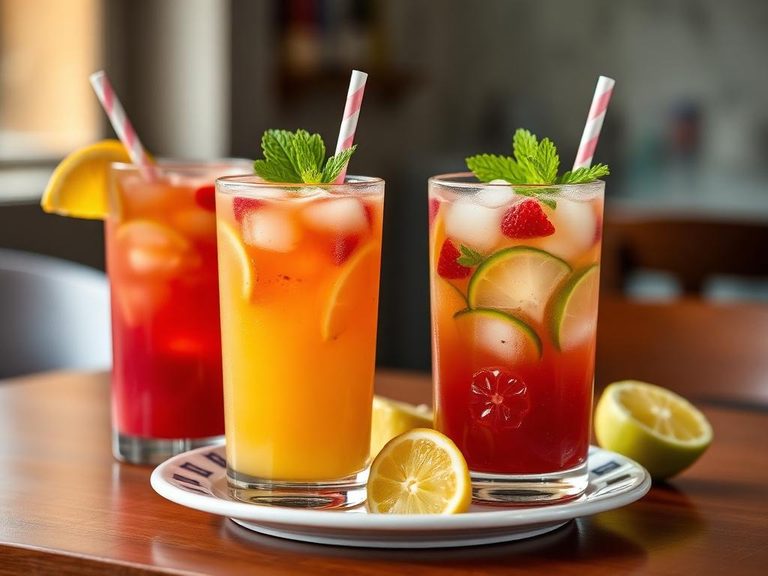
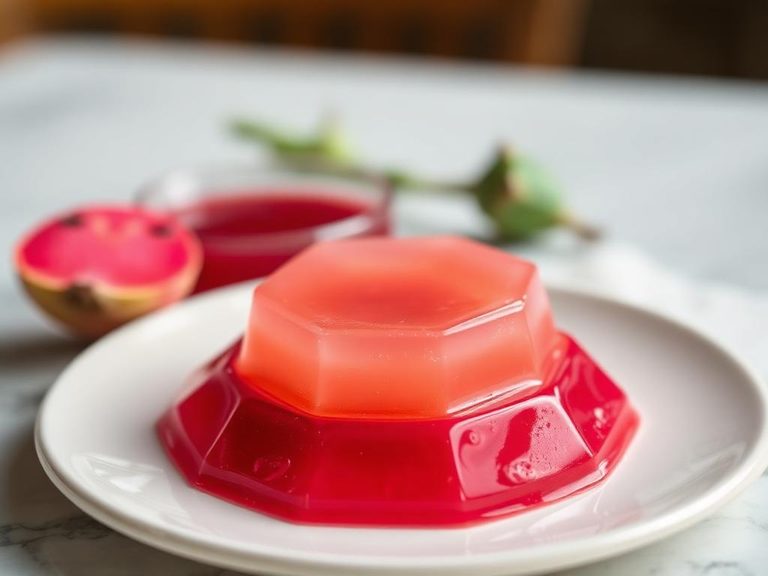
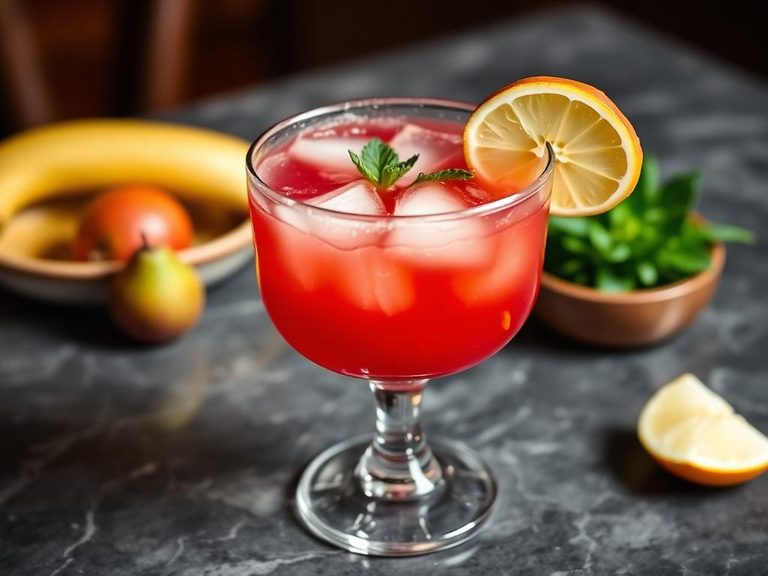
People cherish prickly pear for its unique, refreshing flavor that offers a sweet escape from the arid landscapes where it grows. Its vibrant color and versatility make it a beloved ingredient in everything from refreshing aguas frescas to sophisticated jellies and candies.
⚠️ Watch-outs & how to enjoy it better
The fruit's high fiber and seed content can be challenging for some digestive systems, potentially causing discomfort. Its natural sugars, while moderate, can contribute to blood sugar spikes if consumed in large quantities without other macronutrients. To mitigate this, pair it with a source of protein or healthy fat (like nuts or yogurt) and practice portion control.
Key benefits
- Very low in calories (42 kcal/100g)
- Excellent source of dietary fiber (5.3g/100g)
- Naturally low in fat and protein
- Contains beneficial plant compounds like betalains
- Hydrating due to high water content
🍽️ Popular dishes
🌍 Where it's eaten
💡 Did you know?
The tiny, hard seeds inside a prickly pear are perfectly edible and are a good source of fiber and healthy fats, though many people choose to strain them out.
Full nutrition (USDA data · scales with serving)
| Water | 89.2 g |
| Energy | 42.0 kcal |
| Energy | 176 kj |
| Protein | 0.12 g |
| Total lipid (fat) | 0.11 g |
| Ash | 0.38 g |
| Carbohydrate, by difference | 10.2 g |
| Fiber, total dietary | 5.3 g |
| Total Sugars | 1.0 g |
| Sucrose | 0.38 g |
| Glucose | 0.44 g |
| Fructose | 0.21 g |
| Lactose | 0.00 g |
| Maltose | 0.00 g |
| Galactose | 0.00 g |
| Calcium, Ca | 180 mg |
| Iron, Fe | 0.20 mg |
| Magnesium, Mg | 69.0 mg |
| Phosphorus, P | 11.0 mg |
| Potassium, K | 130 mg |
| Sodium, Na | 4.0 mg |
| Zinc, Zn | 0.14 mg |
| Copper, Cu | 0.02 mg |
| Manganese, Mn | 0.58 mg |
| Selenium, Se | 0.10 ug |
| Vitamin C, total ascorbic acid | 11.0 mg |
| Thiamin | 0.01 mg |
| Riboflavin | 0.03 mg |
| Niacin | 0.29 mg |
| Vitamin B-6 | 0.08 mg |
| Choline, total | 4.3 mg |
| Betaine | 0.30 mg |
| Vitamin K (phylloquinone) | 2.9 ug |
| Vitamin K (Dihydrophylloquinone) | 0.00 ug |
| Vitamin K (Menaquinone-4) | 0.00 ug |
FAQ
How do I eat a prickly pear without getting pricked?
Always wear thick gloves. Cut off both ends, make a shallow slit lengthwise, and peel back the thick skin to reveal the fruit inside. Alternatively, roll the fruit firmly on a surface to loosen the skin before peeling.
Are the seeds edible?
Yes, the small, hard seeds are edible and nutritious. They can be chewed or, for a smoother texture, the fruit can be blended and strained to remove them.
What does prickly pear taste like?
The flavor is often described as a cross between watermelon and bubblegum, with a mild, sweet-tart profile. The taste can vary slightly depending on the specific cactus variety and ripeness.
Nutrient density (calculated · NRF9.3)
Nutrient Rich Foods index: beneficial nutrients (protein, fiber, vitamins, minerals) minus saturated fat, added sugar & sodium, per 100 kcal.
NRF9.3 index — Fulgoni, Keast & Drewnowski, 2009. Computed from USDA nutrients.
Weight-loss friendliness (composite index)
Energy density 0.42 kcal/g · 1% calories from protein · 5.3 g fiber · 1.0 g sugar per 100 g.
Composite of energy density (Rolls et al., 1999), protein & fiber satiety, minus sugar. A calculated heuristic — ranks satiety-per-calorie, not a clinical measure.
Dietary load (calculated from USDA values)
Potential renal acid load. Positive = acid-forming, negative = alkaline-forming.
Sodium-to-potassium ratio: 0.03 (lower is better — aim for ≤ 1)
Sodium:potassium per WHO potassium guidance. Computed from USDA nutrients.