

Pepeao, dried
Whole food · Vegetables and Vegetable Products

Photo: Wikipedia
Pepeao is the dried fruit of the African locust bean tree, a staple in West African cuisine. It has a deeply savory, umami-rich flavor and a firm, chewy texture that softens when rehydrated or cooked into stews. Nutritionally, it is a dense source of carbohydrates, providing quick energy with minimal fat.
Calorie split: 6% protein · 93% carbs · 1% fat
↓ Full nutrition💚 Why it's loved
People love it for its intense, complex umami flavor that forms the backbone of many savory West African soups and stews. It is cherished for its ability to transform simple ingredients into deeply flavorful, satisfying meals.
⚠️ Watch-outs & how to enjoy it better
Its very high carbohydrate content can lead to rapid blood sugar spikes if consumed alone in large quantities. To counteract this, always pair it with a source of protein (like meat or fish) and healthy fats (like palm oil or avocado) in a meal, and practice portion control. Some individuals may experience digestive discomfort due to its dense, fibrous nature; soaking and thorough cooking can help.
Key benefits
- High in energy-dense carbohydrates
- Very low in fat
- Contains plant-based protein
- Shelf-stable for long-term storage
- Core ingredient for traditional fermented condiments
🍽️ Popular dishes
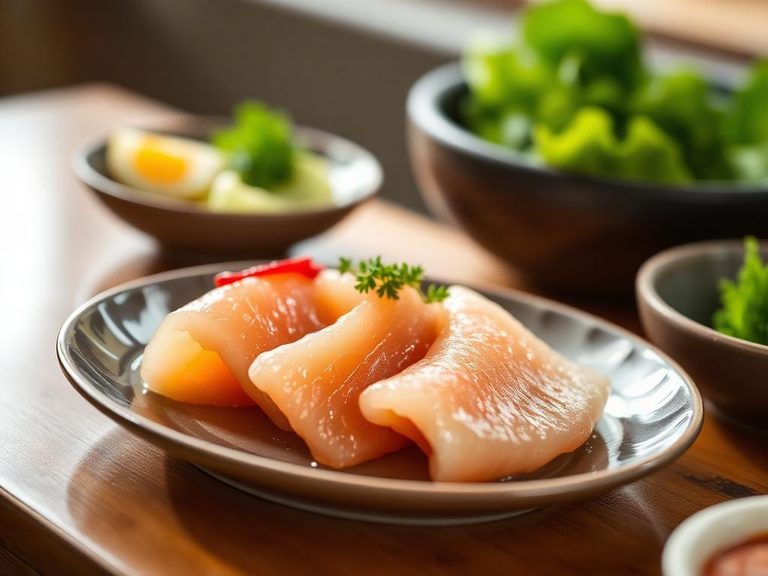
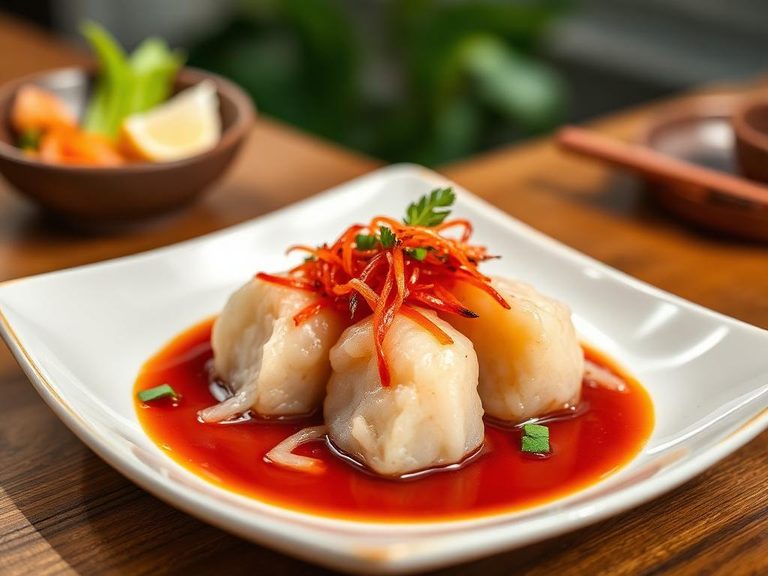
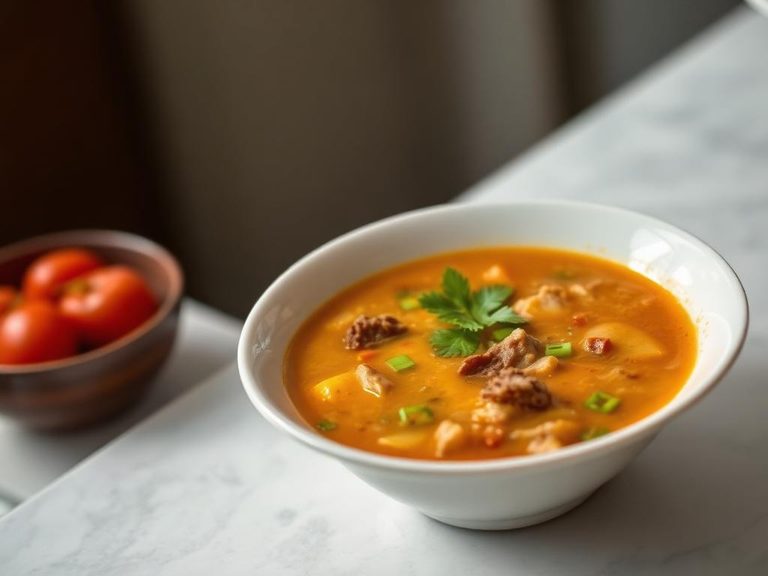
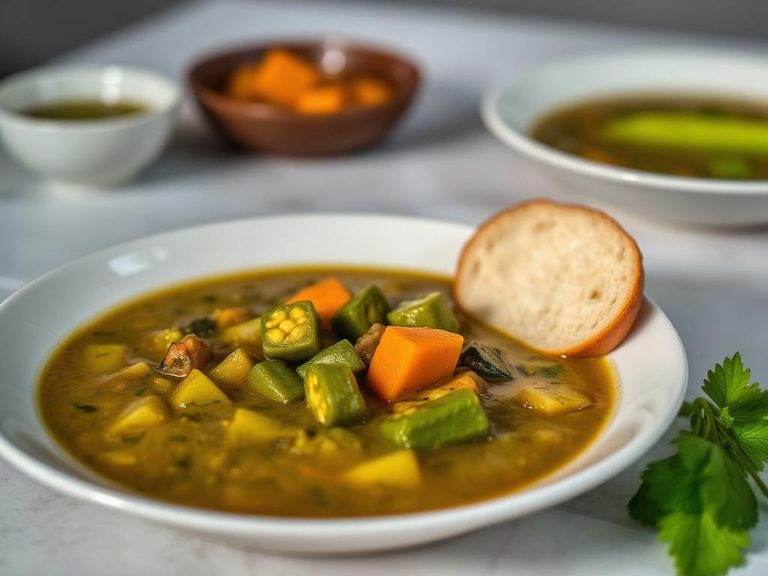
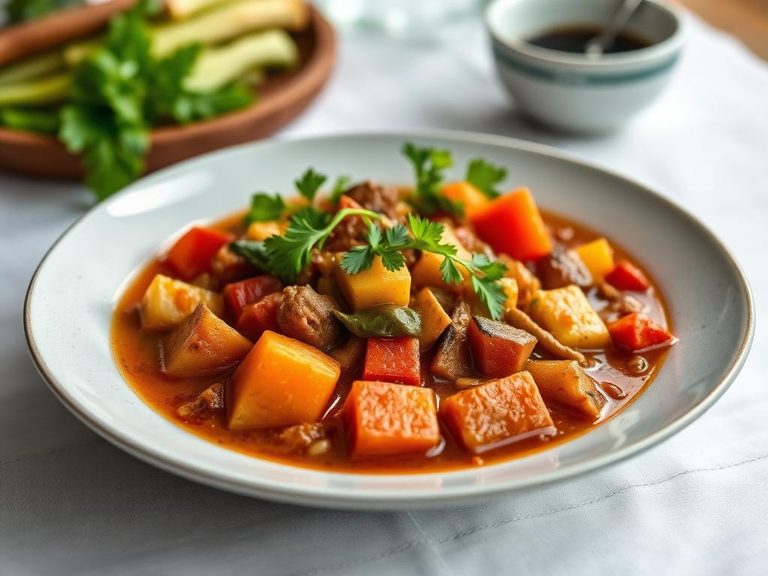
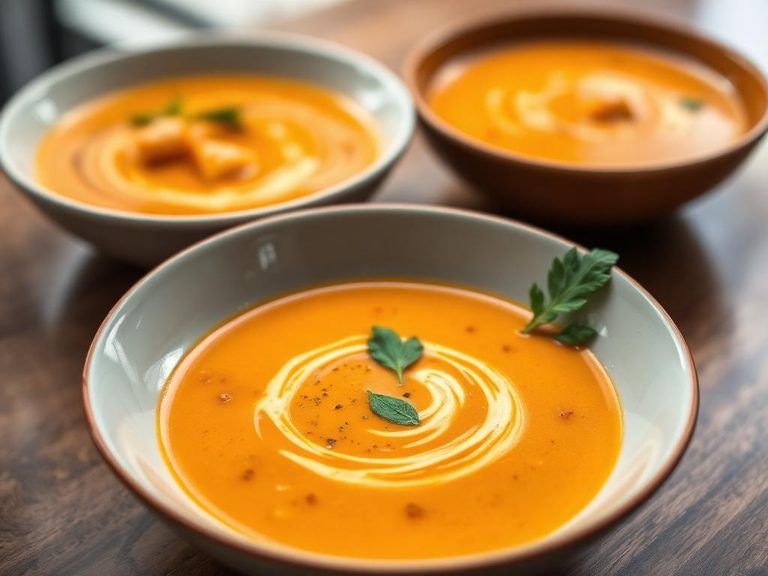
🌍 Where it's eaten
💡 Did you know?
The fermentation process used to make Iru from Pepeao is a traditional biotechnology that significantly enhances its umami flavor and increases its B-vitamin content.
Full nutrition (USDA data · scales with serving)
| Water | 11.1 g |
| Energy | 298 kcal |
| Energy | 1248 kj |
| Protein | 4.8 g |
| Total lipid (fat) | 0.44 g |
| Ash | 2.6 g |
| Carbohydrate, by difference | 81.0 g |
| Calcium, Ca | 113 mg |
| Iron, Fe | 6.1 mg |
| Magnesium, Mg | 146 mg |
| Phosphorus, P | 116 mg |
| Potassium, K | 708 mg |
| Sodium, Na | 70.0 mg |
| Zinc, Zn | 7.5 mg |
| Copper, Cu | 5.1 mg |
| Manganese, Mn | 1.2 mg |
| Selenium, Se | 45.3 ug |
| Vitamin C, total ascorbic acid | 1.4 mg |
| Thiamin | 0.83 mg |
| Riboflavin | 0.35 mg |
| Niacin | 3.0 mg |
| Pantothenic acid | 21.5 mg |
| Vitamin B-6 | 0.95 mg |
| Folate, total | 160 ug |
| Folic acid | 0.00 ug |
| Folate, food | 160 ug |
| Folate, DFE | 160 ug |
| Vitamin B-12 | 0.00 ug |
| Vitamin A, RAE | 0.00 ug |
| Retinol | 0.00 ug |
| Vitamin A, IU | 0.00 iu |
| Vitamin D (D2 + D3), International Units | 0.00 iu |
| Vitamin D (D2 + D3) | 0.00 ug |
Fat & fatty acid profile (per 100g)
| Fatty acids, total trans | 0.00 g |
| Cholesterol | 0.00 mg |
FAQ
What is the difference between Pepeao and Iru?
Pepeao is the whole, dried fruit. Iru is the traditional fermented paste or condiment made from it, which has a stronger, more pungent aroma and flavor.
How do I prepare dried Pepeao for cooking?
It is typically rinsed, then soaked in warm water for 30-60 minutes to soften before being added to soups and stews. Some recipes call for lightly toasting it first.
Is it the same as natto?
No. While both are fermented bean products, natto is made from soybeans using a specific bacterium, whereas Iru/Pepeao comes from the African locust bean tree and uses different native microorganisms.
Nutrient density (calculated · NRF9.3)
Nutrient Rich Foods index: beneficial nutrients (protein, fiber, vitamins, minerals) minus saturated fat, added sugar & sodium, per 100 kcal.
NRF9.3 index — Fulgoni, Keast & Drewnowski, 2009. Computed from USDA nutrients.
Weight-loss friendliness (composite index)
Energy density 2.98 kcal/g · 6% calories from protein · 0.0 g fiber · 0.0 g sugar per 100 g.
Composite of energy density (Rolls et al., 1999), protein & fiber satiety, minus sugar. A calculated heuristic — ranks satiety-per-calorie, not a clinical measure.
Dietary load (calculated from USDA values)
Potential renal acid load. Positive = acid-forming, negative = alkaline-forming.
Sodium-to-potassium ratio: 0.10 (lower is better — aim for ≤ 1)
Sodium:potassium per WHO potassium guidance. Computed from USDA nutrients.