

Mustard spinach, (tendergreen), cooked, boiled, drained, with salt
Whole food · Vegetables and Vegetable Products
Mustard spinach, or tendergreen, is a leafy green with a mild, slightly peppery flavor reminiscent of mustard and a tender, silky texture when boiled. It's a nutritional powerhouse, delivering a solid dose of fiber and protein for just 16 calories per 100g. Its vibrant green color signals a wealth of vitamins and minerals.
Calorie split: 34% protein · 57% carbs · 9% fat
↓ Full nutrition💚 Why it's loved
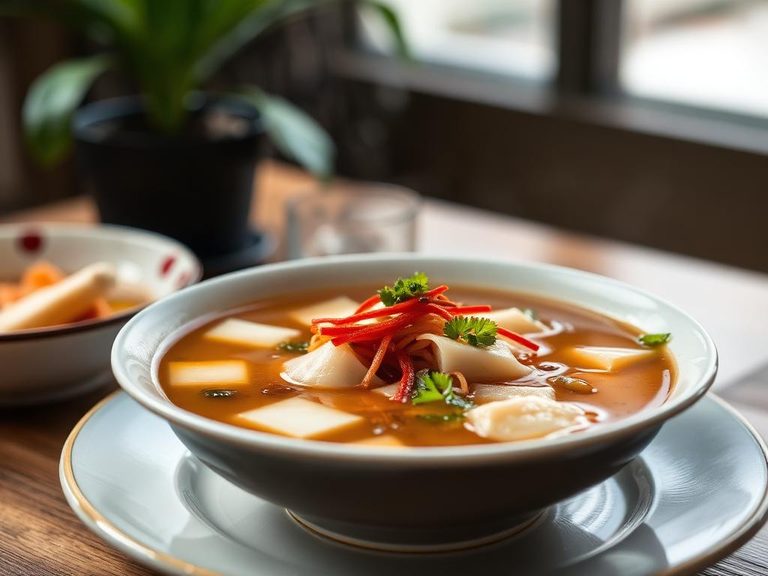
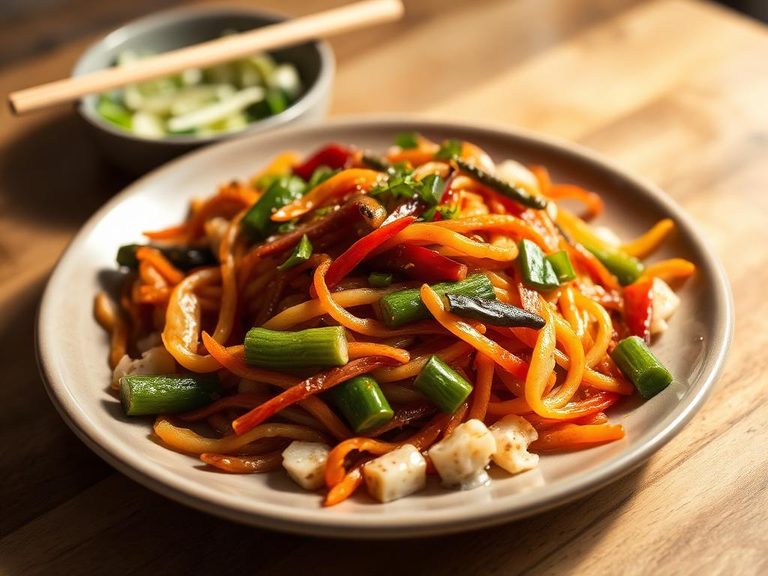
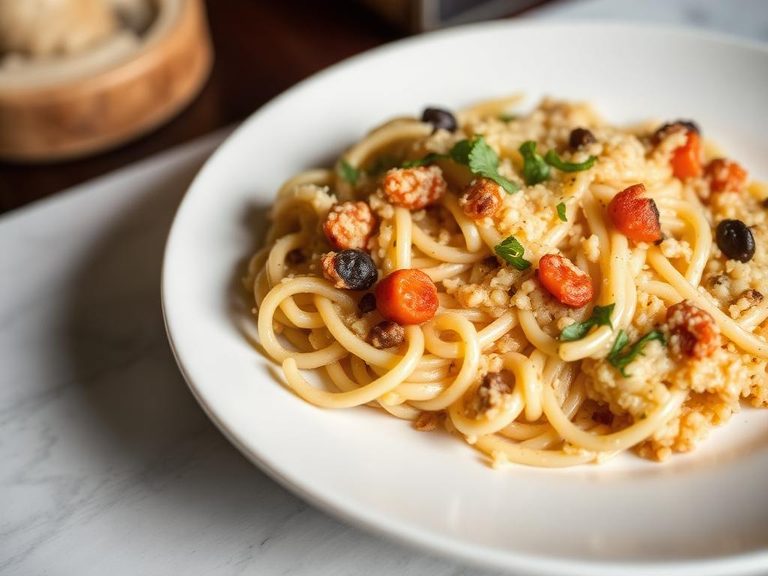
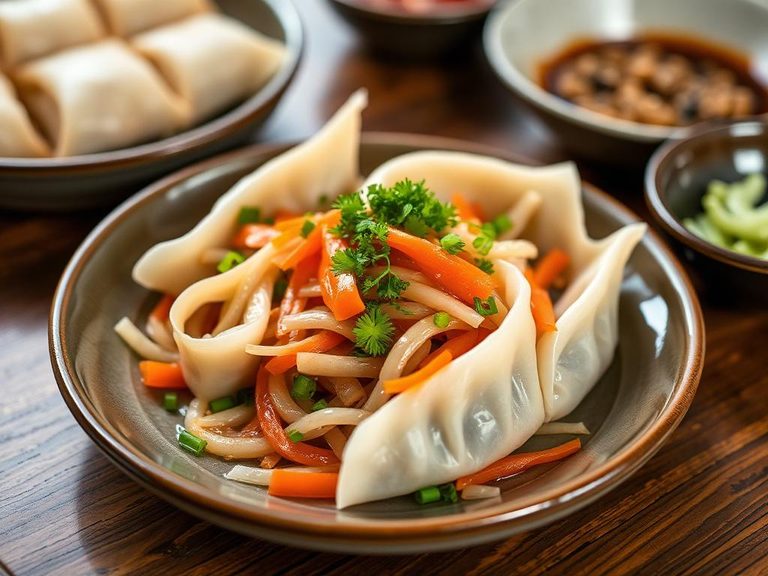
People love its unique, mild pepperiness that adds a subtle kick without overwhelming a dish. It's prized for its versatility, wilting beautifully into soups, stir-fries, and pastas while holding its own in simple sautés.
⚠️ Watch-outs & how to enjoy it better
The oxalate content in leafy greens like mustard spinach can be a concern for individuals prone to kidney stones, as it may inhibit calcium absorption. To counteract this, pair it with a calcium-rich food like tofu or cheese, and ensure it's thoroughly cooked, which can reduce oxalate levels.
Key benefits
- Excellent source of dietary fiber for digestive health.
- Very low in calories, making it ideal for weight management.
- Provides plant-based protein with minimal fat.
- Rich in vitamins A, C, and K, as well as calcium and iron.
🍽️ Popular dishes
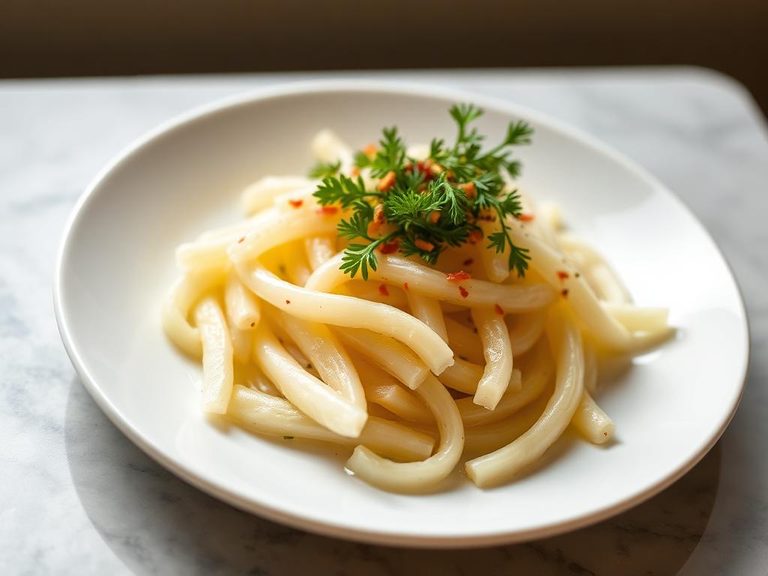
🌍 Where it's eaten
💡 Did you know?
Despite its name, mustard spinach (Brassica rapa var. perviridis) is not a true spinach but is closely related to turnips and bok choy in the Brassica family.
Full nutrition (USDA data · scales with serving)
| Water | 94.5 g |
| Energy | 16.0 kcal |
| Energy | 66.0 kj |
| Protein | 1.7 g |
| Total lipid (fat) | 0.20 g |
| Ash | 0.80 g |
| Carbohydrate, by difference | 2.8 g |
| Fiber, total dietary | 2.0 g |
| Calcium, Ca | 158 mg |
| Iron, Fe | 0.80 mg |
| Magnesium, Mg | 7.0 mg |
| Phosphorus, P | 18.0 mg |
| Potassium, K | 285 mg |
| Sodium, Na | 250 mg |
| Zinc, Zn | 0.11 mg |
| Copper, Cu | 0.05 mg |
| Manganese, Mn | 0.27 mg |
| Selenium, Se | 0.60 ug |
| Vitamin C, total ascorbic acid | 65.0 mg |
| Thiamin | 0.04 mg |
| Riboflavin | 0.06 mg |
| Niacin | 0.43 mg |
| Pantothenic acid | 0.12 mg |
| Vitamin B-6 | 0.10 mg |
| Folate, total | 73.0 ug |
| Folic acid | 0.00 ug |
| Folate, food | 73.0 ug |
| Folate, DFE | 73.0 ug |
| Vitamin B-12 | 0.00 ug |
| Vitamin A, RAE | 410 ug |
| Retinol | 0.00 ug |
| Vitamin A, IU | 8200 iu |
| Vitamin D (D2 + D3), International Units | 0.00 iu |
| Vitamin D (D2 + D3) | 0.00 ug |
Fat & fatty acid profile (per 100g)
| Fatty acids, total trans | 0.00 g |
| Cholesterol | 0.00 mg |
FAQ
Is mustard spinach the same as regular spinach?
No. Mustard spinach is a variety of Brassica rapa, related to turnips and bok choy. It has a different flavor profile—mildly peppery—and a distinct texture compared to true spinach (Spinacia oleracea).
How do I reduce the peppery taste?
The mild pepperiness mellows significantly with cooking. Boiling or blanching the leaves for a minute before adding them to your final dish will soften the flavor.
Can I eat mustard spinach raw?
Yes, young, tender leaves can be used in salads. However, cooking is more common to enhance digestibility and reduce oxalate content, and it brings out a sweeter, more mellow flavor.
Nutrient density (calculated · NRF9.3)
Nutrient Rich Foods index: beneficial nutrients (protein, fiber, vitamins, minerals) minus saturated fat, added sugar & sodium, per 100 kcal.
NRF9.3 index — Fulgoni, Keast & Drewnowski, 2009. Computed from USDA nutrients.
Weight-loss friendliness (composite index)
Energy density 0.16 kcal/g · 43% calories from protein · 2.0 g fiber · 0.0 g sugar per 100 g.
Composite of energy density (Rolls et al., 1999), protein & fiber satiety, minus sugar. A calculated heuristic — ranks satiety-per-calorie, not a clinical measure.
Dietary load (calculated from USDA values)
Potential renal acid load. Positive = acid-forming, negative = alkaline-forming.
Sodium-to-potassium ratio: 0.88 (lower is better — aim for ≤ 1)
Sodium:potassium per WHO potassium guidance. Computed from USDA nutrients.