

Cranberry sauce, whole, canned, OCEAN SPRAY
Whole food · Fruits and Fruit Juices

Photo: Wikipedia
This is the classic, jellied whole-berry cranberry sauce from a can, a staple of the American holiday table. It has a distinctly sweet-tart flavor, a smooth, gelatinous texture with suspended whole berries, and is nutritionally characterized by its high carbohydrate and sugar content.
Calorie split: 2% protein · 98% carbs · 0% fat
↓ Full nutrition💚 Why it's loved
People love it for its iconic sweet-tart flavor that perfectly balances rich, savory holiday dishes like turkey and stuffing. It's a beloved cultural tradition, evoking nostalgia and serving as a quick, reliable staple for festive meals.
⚠️ Watch-outs & how to enjoy it better
Its primary downside is the very high sugar content (31.3g per 100g), which can contribute to blood-sugar spikes. To counteract this, practice portion control (a typical serving is 2 tablespoons) and pair it with protein and fat-rich foods like turkey and gravy, which slow sugar absorption.
Key benefits
- Provides quick energy from carbohydrates
- Contains small amounts of fiber and vitamin C
- No fat content
- A traditional source of antioxidants from cranberries
- Convenient, shelf-stable, and ready to serve
🍽️ Popular dishes
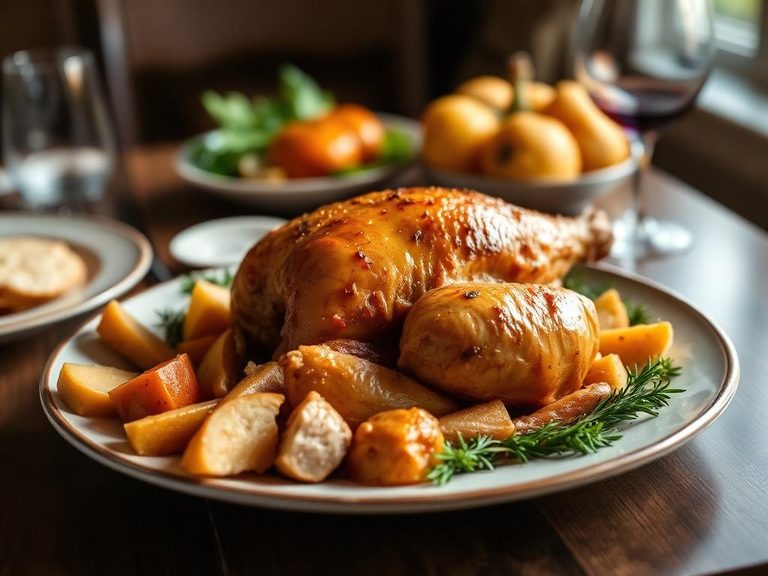
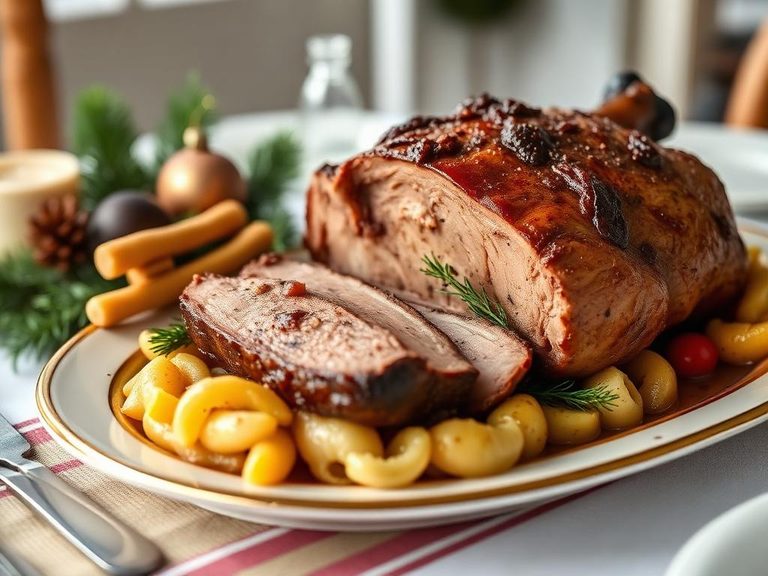
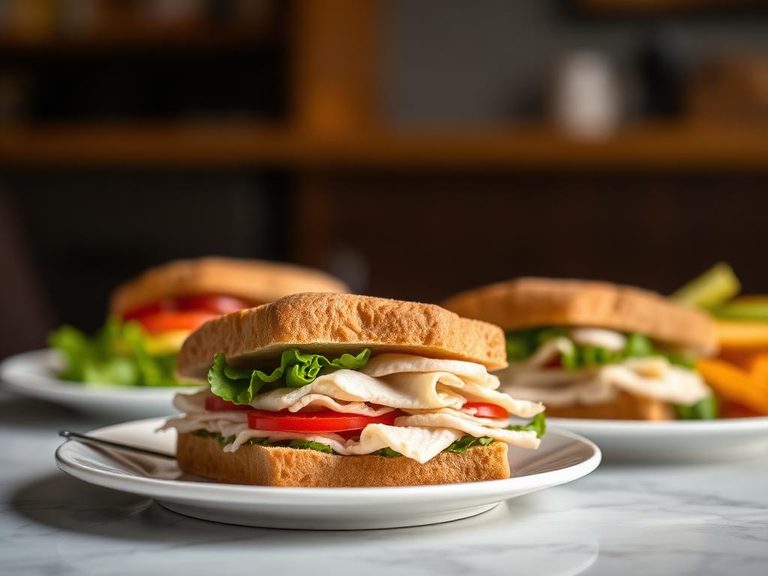
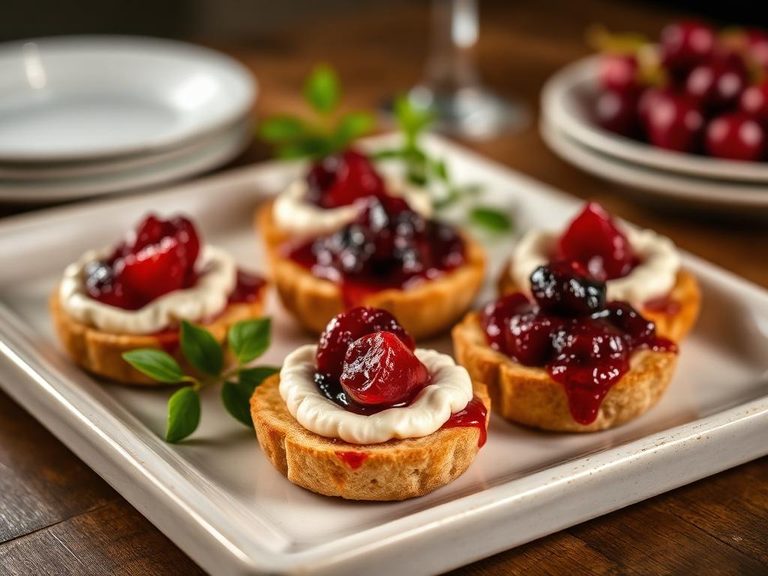
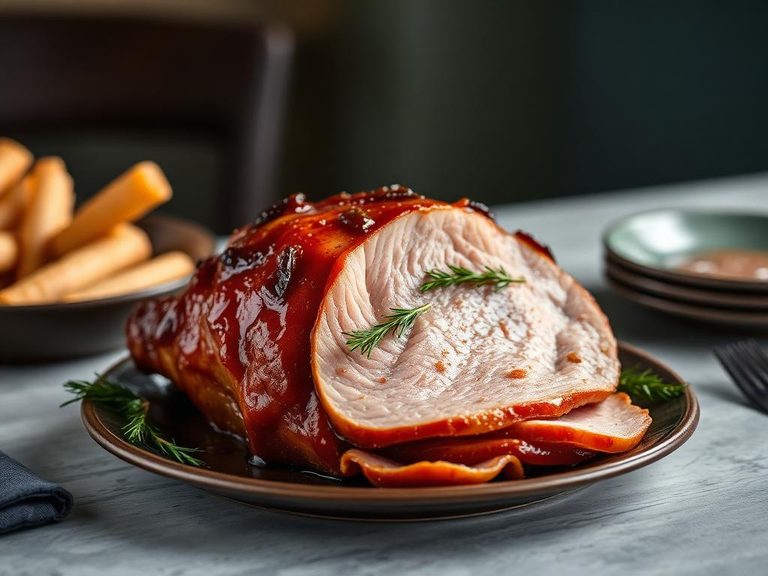
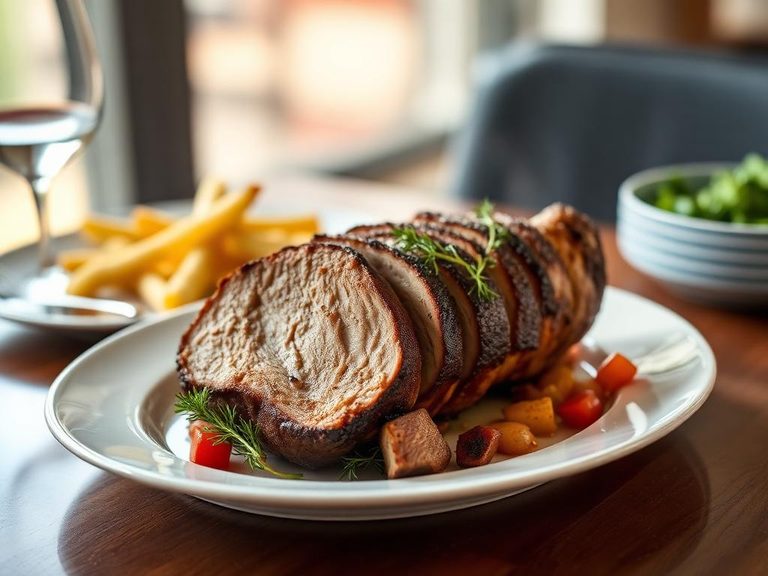
🌍 Where it's eaten
💡 Did you know?
Ocean Spray, the brand most associated with this canned sauce, is a cooperative of over 700 cranberry farmers in the U.S. and Canada, and the first commercially canned cranberry sauce was produced in 1912.
Full nutrition (USDA data · scales with serving)
| Water | 58.7 g |
| Energy | 158 kcal |
| Energy | 661 kj |
| Protein | 0.75 g |
| Total lipid (fat) | 0.05 g |
| Ash | 0.10 g |
| Carbohydrate, by difference | 40.4 g |
| Fiber, total dietary | 1.2 g |
| Total Sugars | 31.3 g |
| Sucrose | 0.10 g |
| Glucose | 17.1 g |
| Fructose | 9.7 g |
| Lactose | 0.00 g |
| Maltose | 4.4 g |
| Galactose | 0.00 g |
| Calcium, Ca | 3.0 mg |
| Iron, Fe | 0.20 mg |
| Magnesium, Mg | 2.0 mg |
| Phosphorus, P | 4.0 mg |
| Potassium, K | 21.0 mg |
| Sodium, Na | 5.0 mg |
| Zinc, Zn | 0.02 mg |
| Copper, Cu | 0.02 mg |
| Manganese, Mn | 0.06 mg |
| Vitamin C, total ascorbic acid | 1.0 mg |
| Vitamin A, RAE | 2.0 ug |
| Carotene, beta | 20.0 ug |
| Vitamin A, IU | 33.0 iu |
Fat & fatty acid profile (per 100g)
| Fatty acids, total saturated | 0.01 g |
| Fatty acids, total monounsaturated | 0.01 g |
| Fatty acids, total polyunsaturated | 0.03 g |
| Fatty acids, total trans | 0.00 g |
| Cholesterol | 0.00 mg |
FAQ
What's the difference between whole berry and jellied cranberry sauce?
Whole berry sauce contains distinct, suspended cranberries for a chunkier texture. Jellied sauce is fully strained and smooth. This product is a 'whole, canned' variety, meaning it contains whole berries within the gel.
Is this considered a fruit serving?
While it is made from fruit, it's very high in added sugar. It's better categorized as a condiment or sweet side dish rather than a primary fruit serving for nutritional purposes.
How long does it last after opening the can?
Once opened, transfer unused sauce to an airtight container and refrigerate. It will keep for 10-14 days. It can also be frozen for up to 2 months.
Nutrient density (calculated · NRF9.3)
Nutrient Rich Foods index: beneficial nutrients (protein, fiber, vitamins, minerals) minus saturated fat, added sugar & sodium, per 100 kcal.
NRF9.3 index — Fulgoni, Keast & Drewnowski, 2009. Computed from USDA nutrients.
Weight-loss friendliness (composite index)
Energy density 1.58 kcal/g · 2% calories from protein · 1.2 g fiber · 31.3 g sugar per 100 g.
Composite of energy density (Rolls et al., 1999), protein & fiber satiety, minus sugar. A calculated heuristic — ranks satiety-per-calorie, not a clinical measure.
Dietary load (calculated from USDA values)
Potential renal acid load. Positive = acid-forming, negative = alkaline-forming.
Sodium-to-potassium ratio: 0.24 (lower is better — aim for ≤ 1)
Sodium:potassium per WHO potassium guidance. Computed from USDA nutrients.