

Candies, TWIZZLERS NIBS CHERRY BITS
Whole food · Sweets

Photo: Wikipedia
Twizzlers Nibs are bite-sized, chewy candy pieces bursting with an intensely sweet, artificial cherry flavor. Their texture is firm yet pliable, offering a satisfying chew that releases a concentrated sugary punch. Nutritionally, they are almost entirely carbohydrates, with over 51 grams of sugar per 100g, providing a quick but fleeting energy surge.
Calorie split: 3% protein · 91% carbs · 7% fat
↓ Full nutrition💚 Why it's loved
People love Twizzlers Nibs for their iconic, bold cherry flavor and the satisfying, chewy texture that's perfect for mindless snacking. They are a nostalgic candy often associated with movie nights and casual treats, offering a simple, uncomplicated sweetness.
⚠️ Watch-outs & how to enjoy it better
The extremely high sugar content (over 50g per 100g) can cause rapid blood sugar spikes and crashes, making it unsuitable for those managing diabetes or insulin resistance. To counteract this, pair a small portion with a source of protein or fat (like a handful of nuts) to slow sugar absorption, and practice strict portion control.
Key benefits
- Provides a quick source of energy from simple carbohydrates.
- Low in fat and protein, making it a purely sweet treat.
- Convenient, pre-portioned snack size for on-the-go consumption.
- Offers a nostalgic, familiar flavor for many candy lovers.
🍽️ Popular dishes
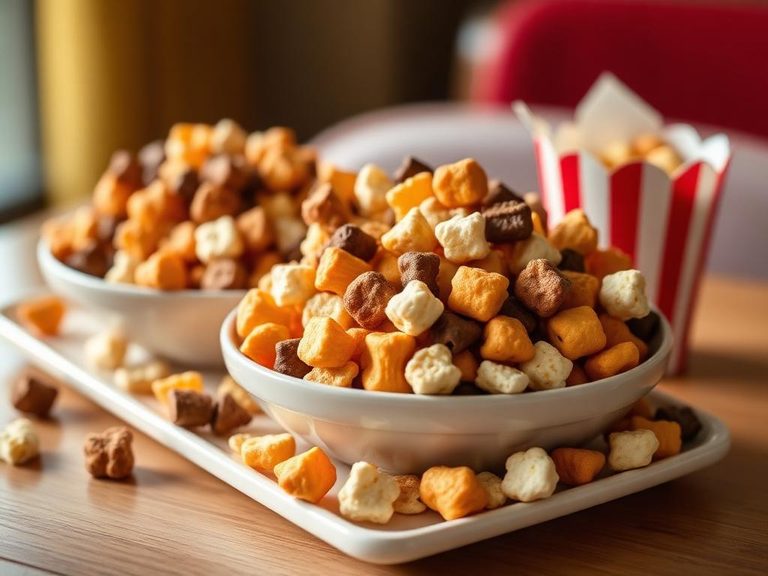

🌍 Where it's eaten
💡 Did you know?
Twizzlers Nibs are made by The Hershey Company, and the original Twizzlers twist was first produced in 1929, making the brand nearly a century old.
Full nutrition (USDA data · scales with serving)
| Water | 15.0 g |
| Energy | 347 kcal |
| Energy | 1453 kj |
| Protein | 2.3 g |
| Total lipid (fat) | 2.6 g |
| Ash | 0.57 g |
| Carbohydrate, by difference | 79.4 g |
| Fiber, total dietary | 0.60 g |
| Total Sugars | 51.4 g |
| Calcium, Ca | 8.0 mg |
| Iron, Fe | 0.28 mg |
| Phosphorus, P | 24.0 mg |
| Potassium, K | 37.0 mg |
| Sodium, Na | 195 mg |
| Vitamin C, total ascorbic acid | 0.00 mg |
| Vitamin A, IU | 0.00 iu |
Fat & fatty acid profile (per 100g)
| Fatty acids, total saturated | 0.54 g |
| Fatty acids, total monounsaturated | 1.9 g |
| Fatty acids, total polyunsaturated | 0.14 g |
| Cholesterol | 0.00 mg |
Amino acid profile (per 100g)
Estimated from Candies, honey-combed, with peanut butter — USDA does not publish this profile for Candies.
| Tryptophan | 0.09 g |
| Threonine | 0.21 g |
| Isoleucine | 0.24 g |
| Leucine | 0.61 g |
| Lysine | 0.27 g |
| Methionine | 0.10 g |
| Cystine | 0.09 g |
| Phenylalanine | 0.47 g |
| Tyrosine | 0.33 g |
| Valine | 0.31 g |
| Arginine | 1.1 g |
| Histidine | 0.22 g |
| Alanine | 0.36 g |
| Aspartic acid | 1.2 g |
| Glutamic acid | 2.0 g |
| Glycine | 0.56 g |
| Proline | 0.55 g |
| Serine | 0.58 g |
FAQ
Are Twizzlers Nibs gluten-free?
While the primary ingredients are sugar, corn syrup, and flour, Twizzlers Nibs are generally not considered gluten-free as they contain wheat flour. Always check the specific product label for allergen information.
How many calories are in a serving of Twizzlers Nibs?
A standard serving size is about 40g, which contains approximately 139 calories, with the majority coming from sugar.
What is the main flavor of Twizzlers Nibs?
The primary and most popular flavor is cherry, characterized by a sweet, slightly tangy, and artificial fruit taste.
Nutrient density (calculated · NRF9.3)
Nutrient Rich Foods index: beneficial nutrients (protein, fiber, vitamins, minerals) minus saturated fat, added sugar & sodium, per 100 kcal.
NRF9.3 index — Fulgoni, Keast & Drewnowski, 2009. Computed from USDA nutrients.
Weight-loss friendliness (composite index)
Energy density 3.47 kcal/g · 3% calories from protein · 0.6 g fiber · 51.4 g sugar per 100 g.
Composite of energy density (Rolls et al., 1999), protein & fiber satiety, minus sugar. A calculated heuristic — ranks satiety-per-calorie, not a clinical measure.
Dietary load (calculated from USDA values)
Potential renal acid load. Positive = acid-forming, negative = alkaline-forming.
Sodium-to-potassium ratio: 5.27 (lower is better — aim for ≤ 1)
Sodium:potassium per WHO potassium guidance. Computed from USDA nutrients.