

Butter, stick, unsalted
Whole food · Dairy and Egg Products
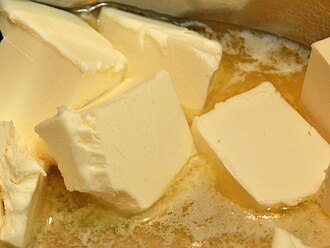
Photo: Wikipedia
Unsalted stick butter is pure, churned cream with a rich, creamy texture and a clean, sweet dairy flavor. It's a foundational fat in baking and cooking, prized for its ability to create flaky pastries and rich sauces. Nutritionally, it's almost entirely fat, providing a dense source of calories and fat-soluble vitamins like A, D, and K2.
Calorie split: 0% protein · 0% carbs · 100% fat
↓ Full nutrition💚 Why it's loved
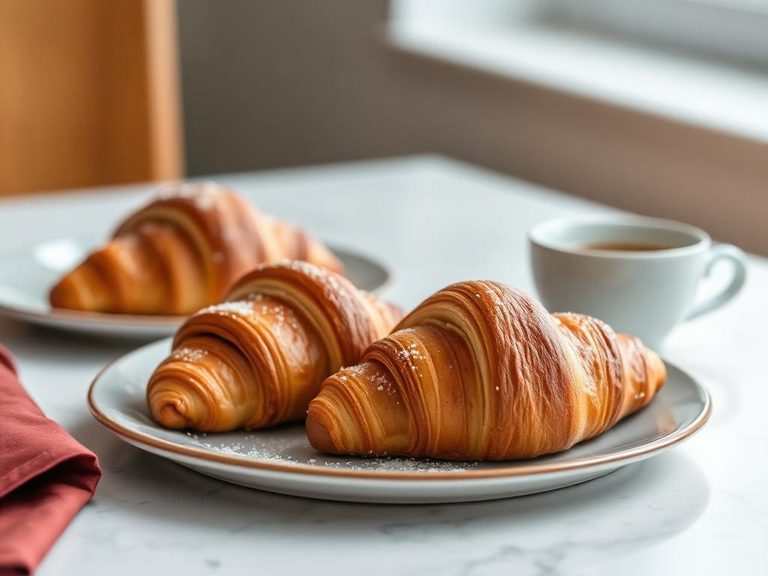
People love it for its unparalleled ability to transform simple ingredients, adding a luxurious richness and depth of flavor to both sweet and savory dishes. Its cultural significance in baking, from French croissants to American pie crusts, makes it a symbol of comfort and culinary tradition.
⚠️ Watch-outs & how to enjoy it better
It is very high in saturated fat and calories, which can be a concern for heart health and weight management if consumed excessively. To counteract this, use it as a flavor enhancer rather than the primary fat, pair it with fiber-rich foods, and practice strict portion control.
Key benefits
- Provides fat-soluble vitamins A, D, E, and K2
- Contains beneficial fatty acids like butyrate
- Essential for creating flaky, tender baked goods
- Enhances flavor and mouthfeel in sauces and sautés
- Contains conjugated linoleic acid (CLA) in small amounts
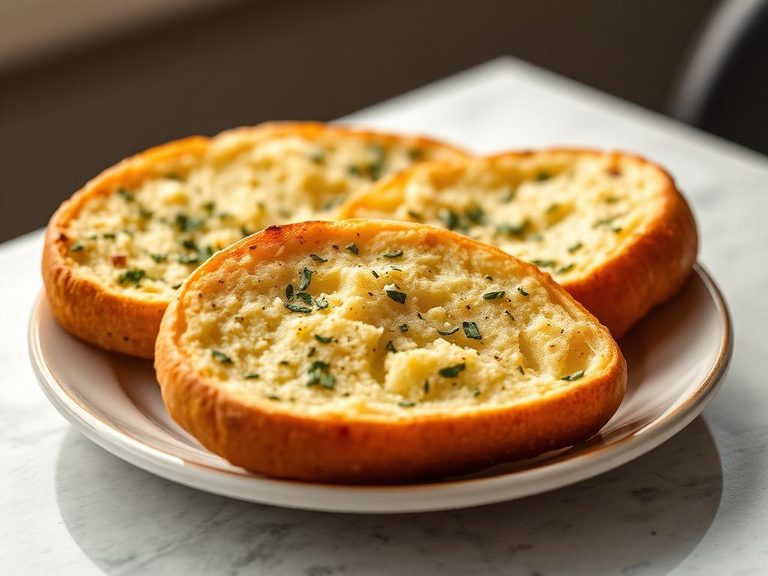
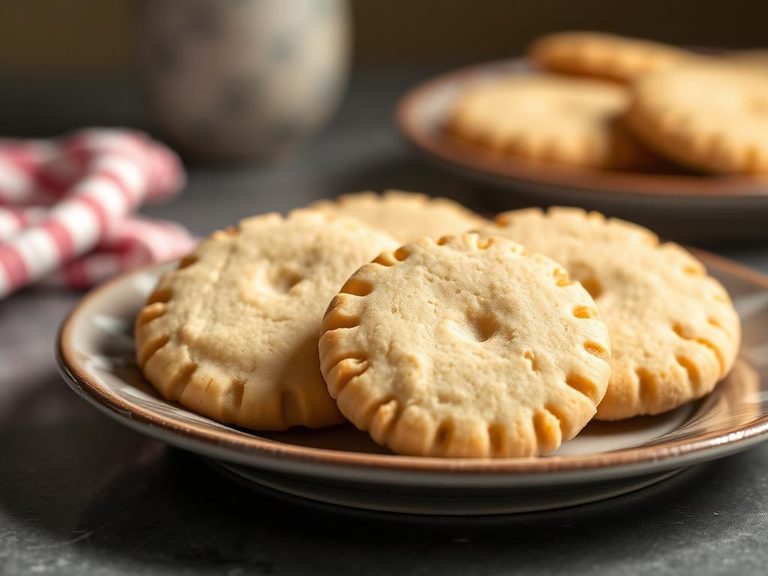
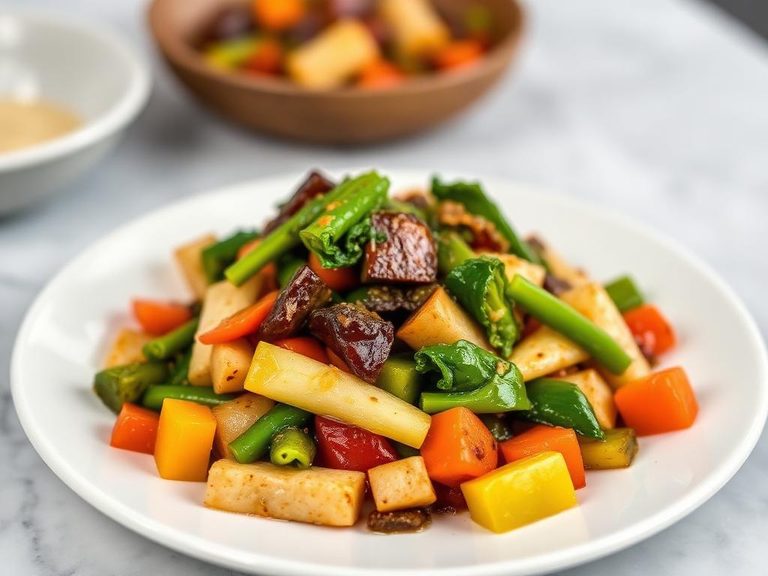
🍽️ Popular dishes
🌍 Where it's eaten
💡 Did you know?
The practice of salting butter began as a preservation method; unsalted butter, or 'sweet cream butter,' only became widely available with the advent of refrigeration in the early 20th century.
Full nutrition (USDA data · scales with serving)
| Water | 17.4 g |
| Total lipid (fat) | 81.5 g |
| Calcium, Ca | 14.0 mg |
| Iron, Fe | 0.03 mg |
| Magnesium, Mg | 1.6 mg |
| Phosphorus, P | 19.0 mg |
| Potassium, K | 19.0 mg |
| Sodium, Na | 10.0 mg |
| Zinc, Zn | 0.07 mg |
| Copper, Cu | 0.00 mg |
| Manganese, Mn | 0.00 mg |
| Iodine, I | 0.00 ug |
Fat & fatty acid profile (per 100g)
| Cholesterol | 234 mg |
Amino acid profile (per 100g)
Estimated from Milk, buttermilk, fluid, cultured, reduced fat — USDA does not publish this profile for Butter.
| Tryptophan | 0.05 g |
| Threonine | 0.17 g |
| Isoleucine | 0.21 g |
| Leucine | 0.39 g |
| Lysine | 0.34 g |
| Methionine | 0.11 g |
| Cystine | 0.03 g |
| Phenylalanine | 0.21 g |
| Tyrosine | 0.21 g |
| Valine | 0.27 g |
| Arginine | 0.12 g |
| Histidine | 0.12 g |
| Alanine | 0.14 g |
| Aspartic acid | 0.35 g |
| Glutamic acid | 0.92 g |
| Glycine | 0.08 g |
| Proline | 0.40 g |
| Serine | 0.25 g |
FAQ
Why use unsalted butter instead of salted in baking?
Unsalted butter gives you precise control over the salt content in a recipe, which is critical for balancing flavors in delicate baked goods like cakes and pastries.
How should I store unsalted butter?
Keep it tightly wrapped in the refrigerator for up to a month, or freeze it for up to 9 months. For immediate use, it can be left at room temperature for a day or two.
Can I substitute salted for unsalted butter?
Yes, but you must reduce the added salt in the recipe by about 1/4 teaspoon per stick (113g) of butter to avoid over-salting the dish.
Dietary load (calculated from USDA values)
Sodium-to-potassium ratio: 0.53 (lower is better — aim for ≤ 1)
Sodium:potassium per WHO potassium guidance. Computed from USDA nutrients.