

Beverages, V8 V-FUSION Juices, Tropical
Whole food · Beverages

Photo: Wikipedia
V8 V-Fusion Tropical is a vibrant, smooth fruit and vegetable juice blend that delivers a sweet, tangy explosion of pineapple, mango, and peach flavors with a subtle vegetable undertone. Its thin, refreshing texture makes it a quick, hydrating pick-me-up. Nutritionally, it's a low-calorie, fat-free source of vitamins A and C, primarily derived from its fruit content.
Calorie split: 3% protein · 97% carbs · 0% fat
↓ Full nutrition💚 Why it's loved
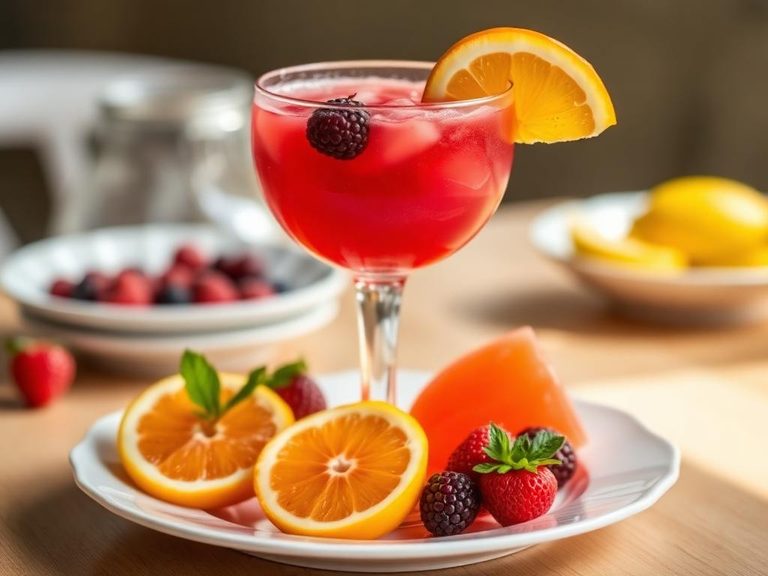
People love it for its accessible, tropical fruit taste that masks the vegetable component, making it an easy way to consume more produce. It's also a popular, convenient mixer for cocktails and mocktails, adding a sweet, fruity base.
⚠️ Watch-outs & how to enjoy it better
The primary downside is the high sugar content (over 10g per 100g), which can cause blood-sugar spikes, especially for diabetics or those monitoring sugar intake. To counteract this, pair it with a source of protein or healthy fat (like a handful of nuts or yogurt) to slow sugar absorption, or dilute it with sparkling water to reduce the glycemic load per serving.
Key benefits
- Provides a significant boost of Vitamin C
- Contains Vitamin A for eye health
- Low in calories at 49 kcal per 100g
- Fat-free and cholesterol-free
- Offers a convenient fruit and vegetable serving
🍽️ Popular dishes
🌍 Where it's eaten
💡 Did you know?
The 'V8' name originally stood for the eight vegetables in the original recipe, but the V-Fusion line flips the script, leading with fruit juice and adding vegetable juice later in the ingredient list.
Full nutrition (USDA data · scales with serving)
| Water | 88.0 g |
| Energy | 49.0 kcal |
| Energy | 204 kj |
| Protein | 0.41 g |
| Total lipid (fat) | 0.00 g |
| Ash | 0.21 g |
| Carbohydrate, by difference | 11.4 g |
| Fiber, total dietary | 0.00 g |
| Total Sugars | 10.2 g |
| Calcium, Ca | 8.0 mg |
| Iron, Fe | 0.15 mg |
| Magnesium, Mg | 7.0 mg |
| Potassium, K | 118 mg |
| Sodium, Na | 33.0 mg |
| Vitamin C, total ascorbic acid | 24.4 mg |
| Vitamin B-6 | 0.02 mg |
| Folate, total | 3.0 ug |
| Folate, food | 3.0 ug |
| Vitamin A, IU | 1626 iu |
| Vitamin E (alpha-tocopherol) | 0.55 mg |
Fat & fatty acid profile (per 100g)
| Fatty acids, total trans | 0.00 g |
Amino acid profile (per 100g)
Estimated from Beverages, carbonated, tonic water — USDA does not publish this profile for Beverages.
| Tryptophan | 0.00 g |
| Threonine | 0.00 g |
| Isoleucine | 0.00 g |
| Leucine | 0.00 g |
| Lysine | 0.00 g |
| Methionine | 0.00 g |
| Cystine | 0.00 g |
| Phenylalanine | 0.00 g |
| Tyrosine | 0.00 g |
| Valine | 0.00 g |
| Arginine | 0.00 g |
| Histidine | 0.00 g |
| Alanine | 0.00 g |
| Aspartic acid | 0.00 g |
| Glutamic acid | 0.00 g |
| Glycine | 0.00 g |
| Proline | 0.00 g |
| Serine | 0.00 g |
FAQ
Does V8 V-Fusion Tropical contain added sugar?
Yes, while it contains fruit juice, it also typically lists 'high fructose corn syrup' or other sweeteners in the ingredients, contributing to its total sugar content.
Is it a good source of fiber?
No, as a strained juice, it contains 0g of fiber. The fiber from the fruits and vegetables is removed during processing.
Can I use it in cooking?
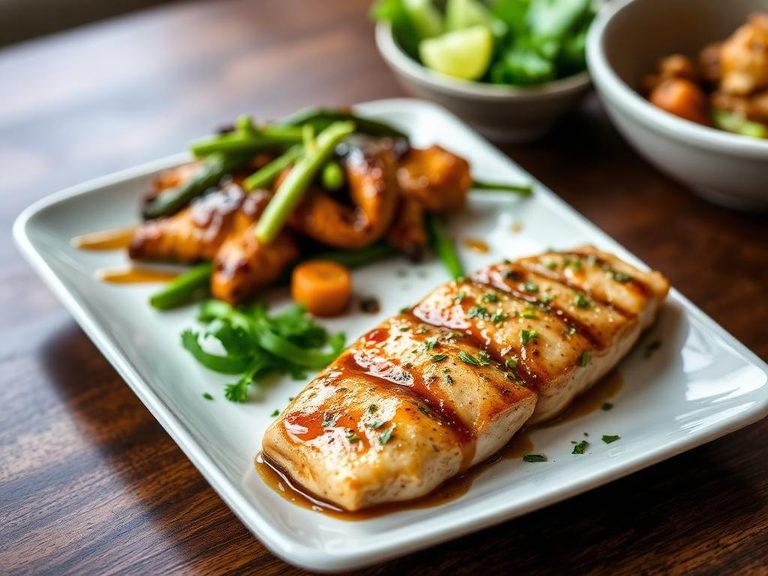
Absolutely. Its sweet and tangy profile makes it excellent for glazes, marinades, or as a base for sauces for poultry and seafood, adding moisture and a fruity depth.
Nutrient density (calculated · NRF9.3)
Nutrient Rich Foods index: beneficial nutrients (protein, fiber, vitamins, minerals) minus saturated fat, added sugar & sodium, per 100 kcal.
NRF9.3 index — Fulgoni, Keast & Drewnowski, 2009. Computed from USDA nutrients.
Weight-loss friendliness (composite index)
Energy density 0.49 kcal/g · 3% calories from protein · 0.0 g fiber · 10.2 g sugar per 100 g.
Composite of energy density (Rolls et al., 1999), protein & fiber satiety, minus sugar. A calculated heuristic — ranks satiety-per-calorie, not a clinical measure.
Dietary load (calculated from USDA values)
Sodium-to-potassium ratio: 0.28 (lower is better — aim for ≤ 1)
Sodium:potassium per WHO potassium guidance. Computed from USDA nutrients.