

Soymilk (all flavors), unsweetened, with added calcium, vitamins A and D
Whole food · Legumes and Legume Products

Photo: Wikipedia
This is a smooth, creamy, plant-based beverage made from whole soybeans, offering a mild, slightly nutty flavor and a velvety texture. It's a nutritional powerhouse, providing a complete protein source with all essential amino acids, and is fortified with calcium and vitamins A & D to rival dairy's bone-supporting profile.
Calorie split: 35% protein · 21% carbs · 44% fat
↓ Full nutrition💚 Why it's loved
People love it for its subtle, versatile flavor that seamlessly blends into smoothies, coffee, or cereal without overpowering them. It's a beloved staple in many Asian cuisines and a go-to dairy-free alternative for its creamy texture and nutritional density.
⚠️ Watch-outs & how to enjoy it better
As a common allergen, soy can cause reactions in sensitive individuals. The natural compounds in soy, like phytates, can slightly reduce mineral absorption. To counteract this, ensure you have a varied diet rich in other mineral sources, and always check labels if you have a known soy allergy.
Key benefits
- Excellent source of complete plant protein (2.86g per 100g)
- Fortified with calcium and vitamin D for bone health
- Naturally low in calories and sugar
- Contains heart-healthy unsaturated fats
- Provides dietary fiber from soy
🍽️ Popular dishes
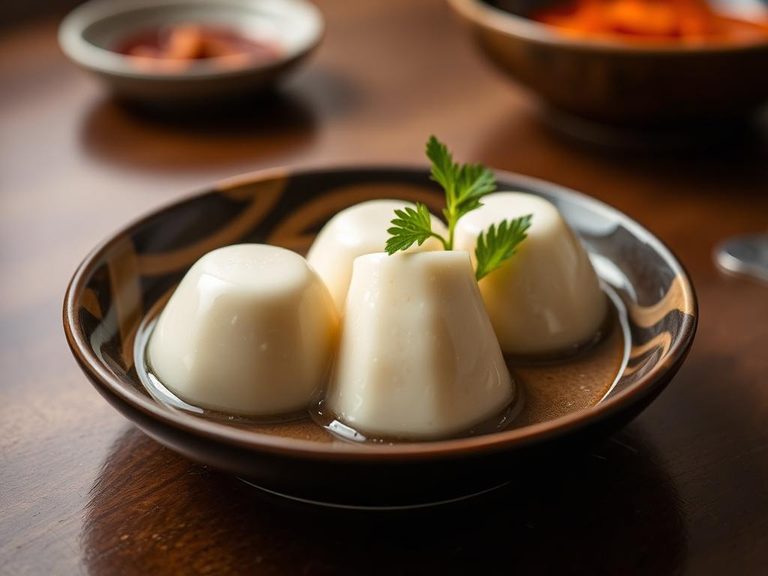
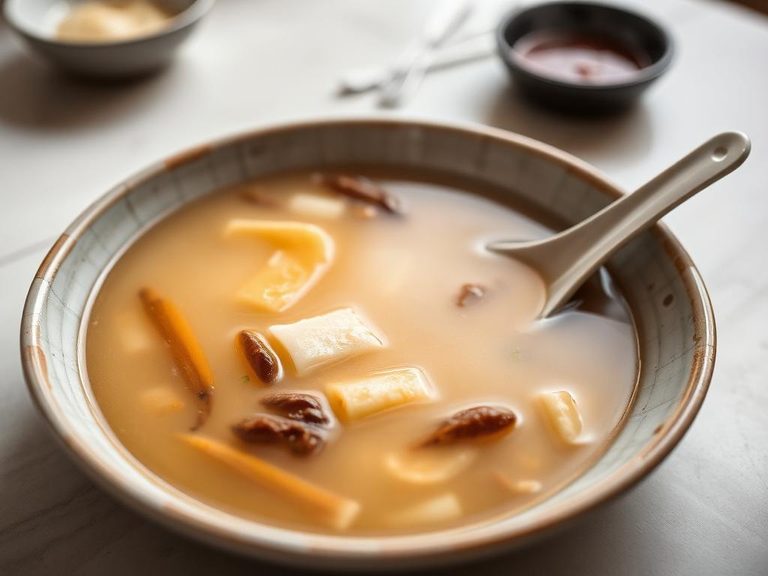
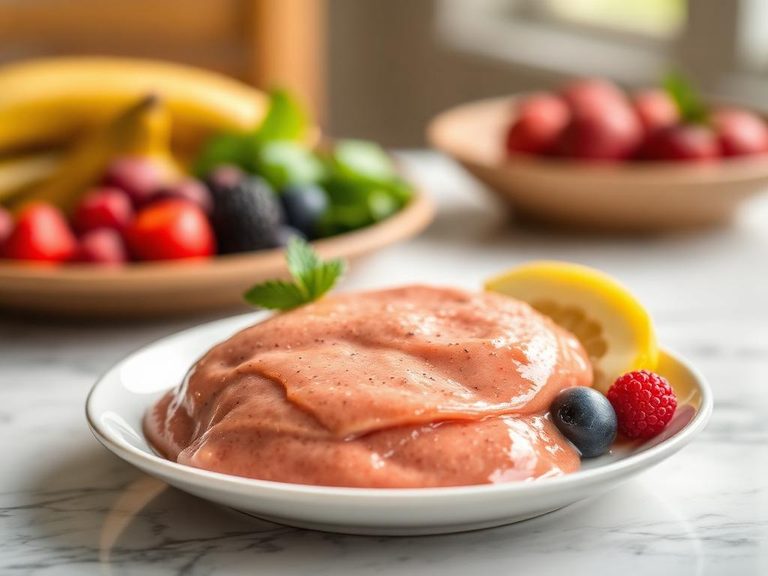
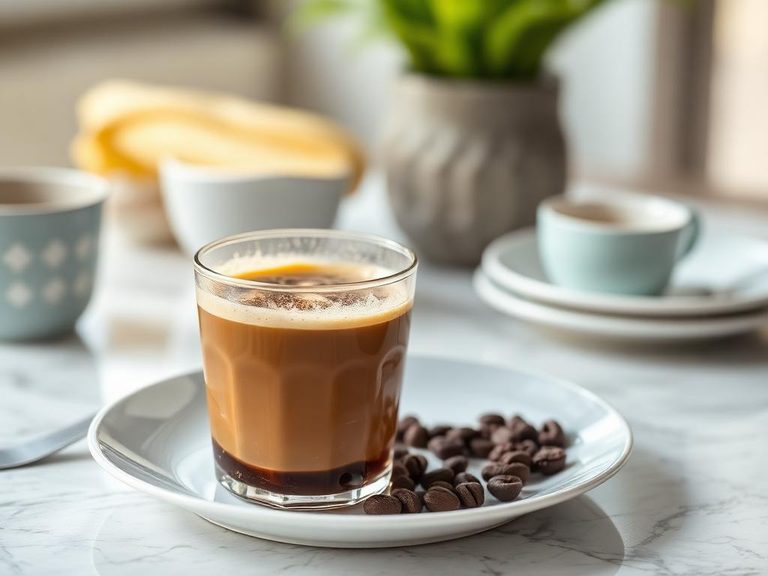

🌍 Where it's eaten
💡 Did you know?
The process of making soymilk is over 2,000 years old, originating in China during the Han Dynasty, and the initial byproduct (okara) was historically considered a peasant food before gaining modern superfood status.
Full nutrition (USDA data · scales with serving)
| Water | 93.1 g |
| Energy | 33.0 kcal |
| Energy | 138 kj |
| Protein | 2.9 g |
| Total lipid (fat) | 1.6 g |
| Ash | 0.64 g |
| Carbohydrate, by difference | 1.7 g |
| Fiber, total dietary | 0.50 g |
| Total Sugars | 0.41 g |
| Calcium, Ca | 124 mg |
| Iron, Fe | 0.46 mg |
| Magnesium, Mg | 16.0 mg |
| Phosphorus, P | 32.0 mg |
| Potassium, K | 120 mg |
| Sodium, Na | 37.0 mg |
| Copper, Cu | 0.08 mg |
| Vitamin C, total ascorbic acid | 0.00 mg |
| Thiamin | 0.15 mg |
| Riboflavin | 0.21 mg |
| Niacin | 0.17 mg |
| Pantothenic acid | 0.08 mg |
| Vitamin B-6 | 0.05 mg |
| Vitamin B-12 | 1.1 ug |
| Vitamin A, IU | 207 iu |
| Vitamin D (D2 + D3), International Units | 49.0 iu |
| Vitamin D (D2 + D3) | 1.2 ug |
| Vitamin D2 (ergocalciferol) | 1.2 ug |
Fat & fatty acid profile (per 100g)
| Fatty acids, total saturated | 0.21 g |
| Fatty acids, total monounsaturated | 0.39 g |
| Fatty acids, total polyunsaturated | 1.0 g |
| Fatty acids, total trans | 0.00 g |
| Cholesterol | 0.00 mg |
FAQ
Is unsweetened soymilk good for blood sugar?
Yes, with only 0.41g of sugar per 100g, it has a very low glycemic impact and is an excellent choice for managing blood sugar levels.
Can I use this for baking?
Absolutely. Its mild flavor and protein content make it a great 1:1 substitute for dairy milk in most muffin, pancake, and cake recipes.
Why is it fortified with vitamins A and D?
These fat-soluble vitamins are added to enhance its nutritional profile, making it a more direct nutritional alternative to fortified cow's milk, especially for bone health and immunity.
Nutrient density (calculated · NRF9.3)
Nutrient Rich Foods index: beneficial nutrients (protein, fiber, vitamins, minerals) minus saturated fat, added sugar & sodium, per 100 kcal.
NRF9.3 index — Fulgoni, Keast & Drewnowski, 2009. Computed from USDA nutrients.
Weight-loss friendliness (composite index)
Energy density 0.33 kcal/g · 35% calories from protein · 0.5 g fiber · 0.4 g sugar per 100 g.
Composite of energy density (Rolls et al., 1999), protein & fiber satiety, minus sugar. A calculated heuristic — ranks satiety-per-calorie, not a clinical measure.
Dietary load (calculated from USDA values)
Potential renal acid load. Positive = acid-forming, negative = alkaline-forming.
Sodium-to-potassium ratio: 0.31 (lower is better — aim for ≤ 1)
Sodium:potassium per WHO potassium guidance. Computed from USDA nutrients.