Marinade Base
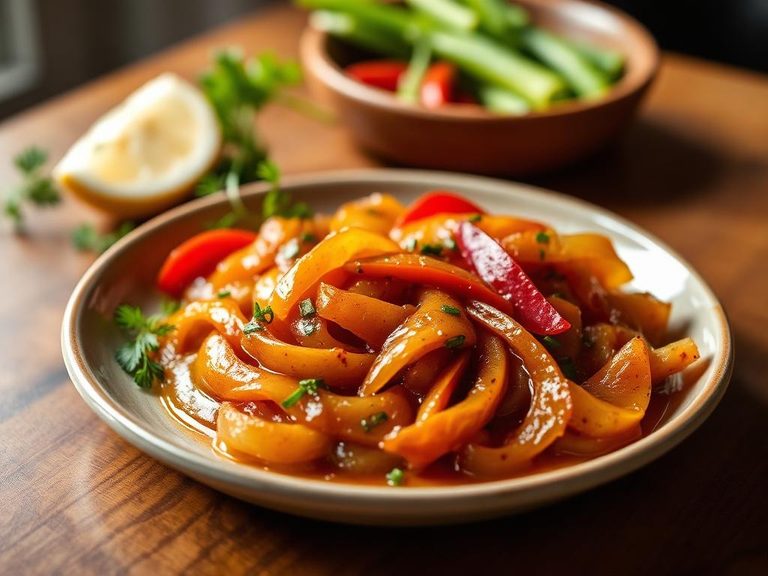
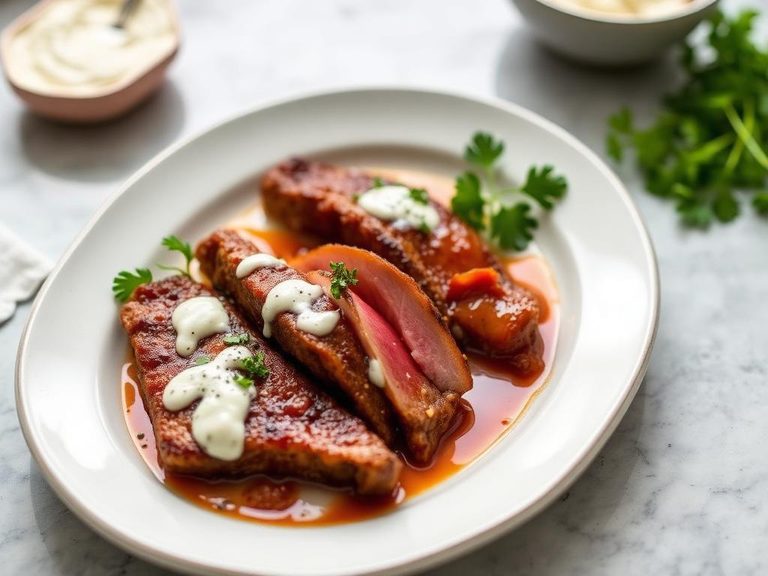
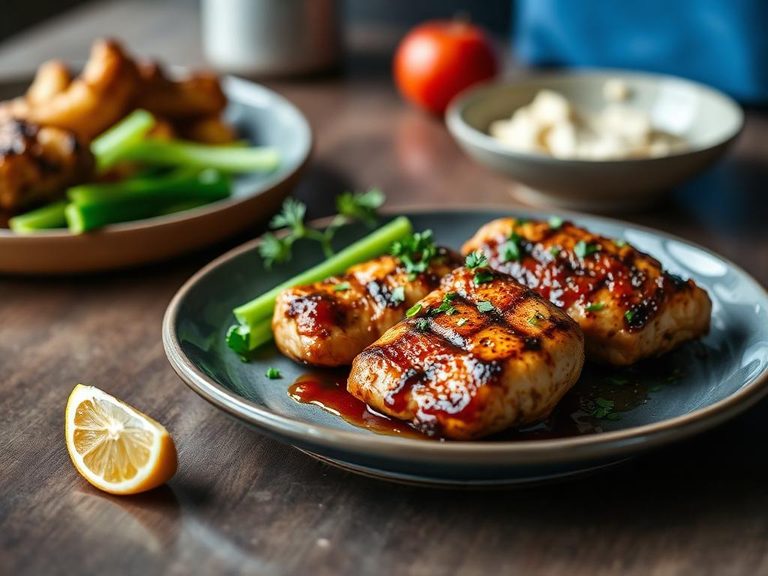
Marinade Base is a concentrated liquid or paste used as the foundational flavoring for marinating meats, poultry, seafood, or vegetables. It typically combines a balance of acidic components (like vinegar or citrus juice), savory elements (such as soy sauce or fish sauce), oils, and a blend of herbs and spices. While its exact composition varies globally, it is a universal culinary starting point in cuisines from Asian to Mediterranean.
🍽️ Nutrition at a glance
Nutritionally, a marinade base is generally low in calories, carbohydrates, and protein, but can be high in sodium due to ingredients like soy sauce or salt. Its primary contribution is flavor and small amounts of antioxidants from herbs and spices, with a typical serving containing roughly 15-40 calories.
Nutrition breakdown
| Calories | 25 kcal |
| Protein | 0.5 g |
| Carbs | 2 g |
| Fat | 1.5 g |
| Fiber | 0.2 g |
| Sugar | 1 g |
| Sodium | 480 mg |
| Sodium | 480 mg |
| Potassium | 45 mg |
| Iron | 0.3 mg |
| Vitamin C | 1.5 mg |
| Manganese | 0.1 mg |
| Vitamin B6 | 0.02 mg |
| Magnesium | 4 mg |
| Copper | 0.01 mg |
Per 2 tablespoons (30 g) · estimated, varies by recipe
💡 What's interesting
What's fascinating is that a good marinade base does more than add flavor; its acidic and enzymatic components can tenderize proteins by breaking down muscle fibers, fundamentally altering the texture of the final dish. Culturally, it acts as a flavor signature, instantly identifying a dish's regional origin, from the teriyaki glazes of Japan to the chimichurri bases of Argentina.