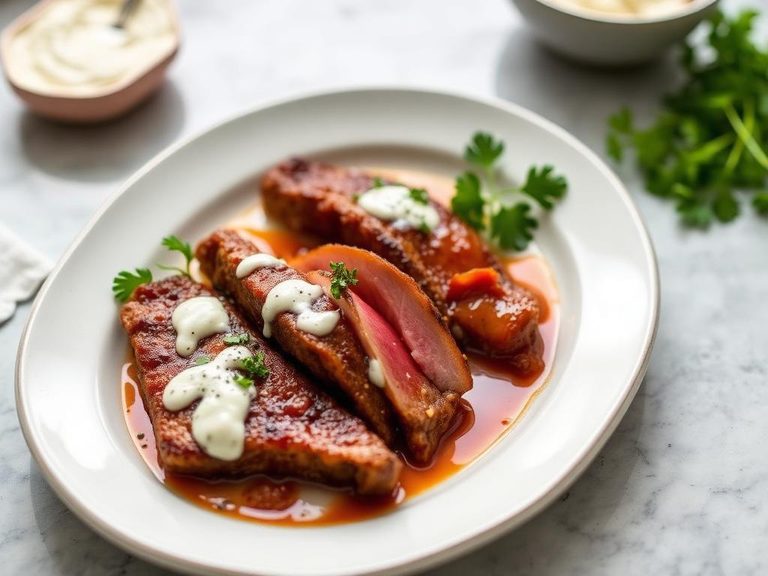
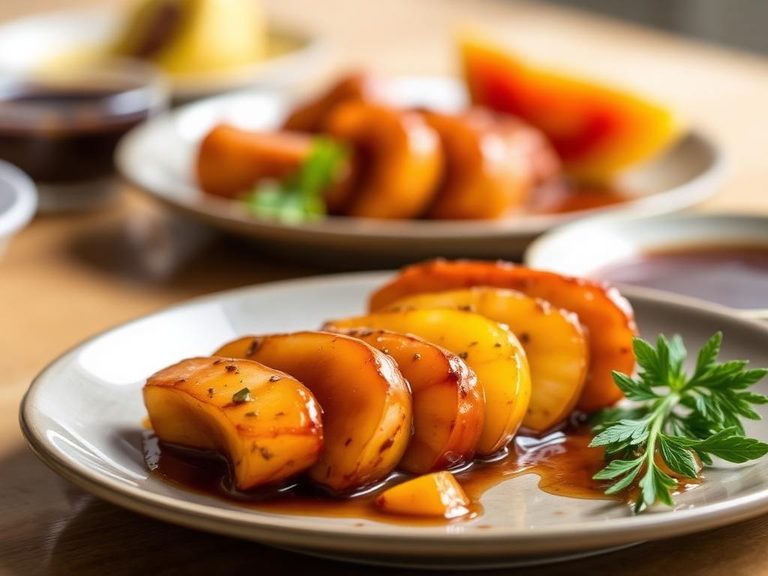
Marinade or dressing base for salads

A marinade or dressing base for salads is a liquid mixture used to flavor and tenderize ingredients or to coat fresh greens. It typically combines an oil, an acid like vinegar or citrus juice, and seasonings such as herbs, spices, and mustard. This foundational preparation originates from global culinary traditions, with classic versions like French vinaigrette being particularly iconic.
🍽️ Nutrition at a glance
This dish is primarily fat-based due to its oil content, with minimal protein and carbohydrates. It provides essential fatty acids and can be a source of fat-soluble vitamins like Vitamin E, with a typical serving containing roughly 100-150 calories.
Nutrition breakdown
| Calories | 120 kcal |
| Protein | 0 g |
| Carbs | 1 g |
| Fat | 14 g |
| Fiber | 0 g |
| Sugar | 0.5 g |
| Sodium | 150 mg |
| Vitamin E | 2 mg |
| Vitamin K | 10 mcg |
| Potassium | 15 mg |
| Magnesium | 2 mg |
| Omega-3 fatty acids | 0.1 g |
Per 2 tablespoons (30 g) · estimated, varies by recipe
💡 What's interesting
Culturally, the balance of oil and acid in these bases is a fundamental principle in cuisines worldwide, from Italian balsamic vinaigrettes to Asian sesame dressings. Nutritionally, the oil can help the body absorb fat-soluble vitamins (A, D, E, K) from the vegetables in the salad.