

Rowal, raw
Whole food · Fruits and Fruit Juices
Rowal, the small, reddish-brown fruit of the Indian Hawthorn tree, offers a crisp, slightly mealy texture akin to a very firm, dry apple. Its flavor is a unique blend of tart and mildly sweet, often described as having a hint of lemon or sour cherry. Nutritionally, it's a notable source of dietary fiber, providing over 20% of the daily value per 100g.
Calorie split: 7% protein · 78% carbs · 15% fat
↓ Full nutrition💚 Why it's loved
People cherish Rowal for its distinct, tangy flavor that stands out in jams, chutneys, and pickles, adding a bright, acidic note. It's also valued in traditional medicine and as a hardy, ornamental tree that provides food for local wildlife.
⚠️ Watch-outs & how to enjoy it better
The raw fruit's astringent, mealy texture can be off-putting to some, and its high sugar content (14.1g per 100g) may cause blood-sugar spikes if consumed in large quantities. To counteract this, pair it with a source of protein or healthy fat (like nuts or yogurt) and practice portion control, or use it cooked in dishes where its tartness is balanced.
Key benefits
- High in dietary fiber for digestive health
- Rich in vitamin C and antioxidants
- Low in fat and calories
- Contains beneficial plant compounds
- Traditional use in herbal preparations
🍽️ Popular dishes
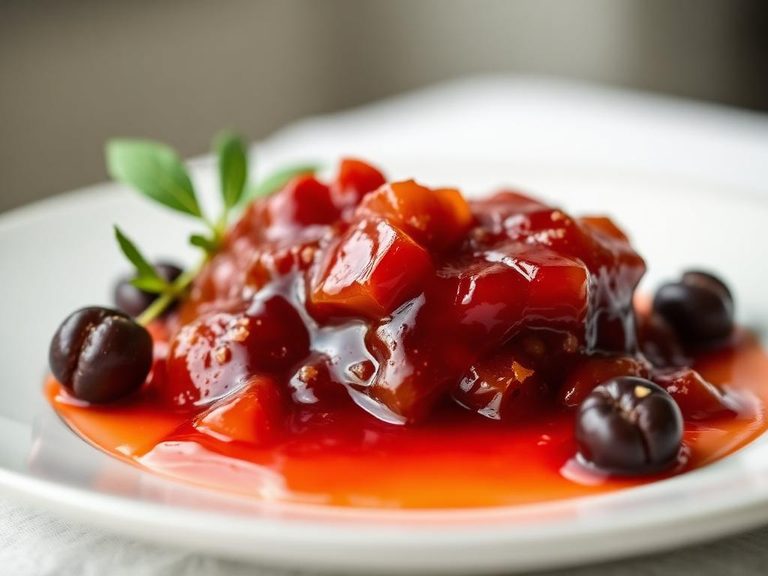
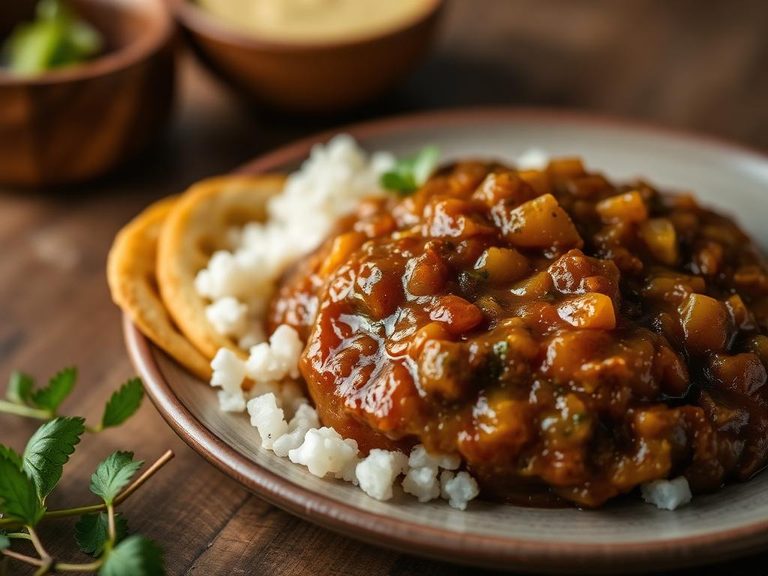
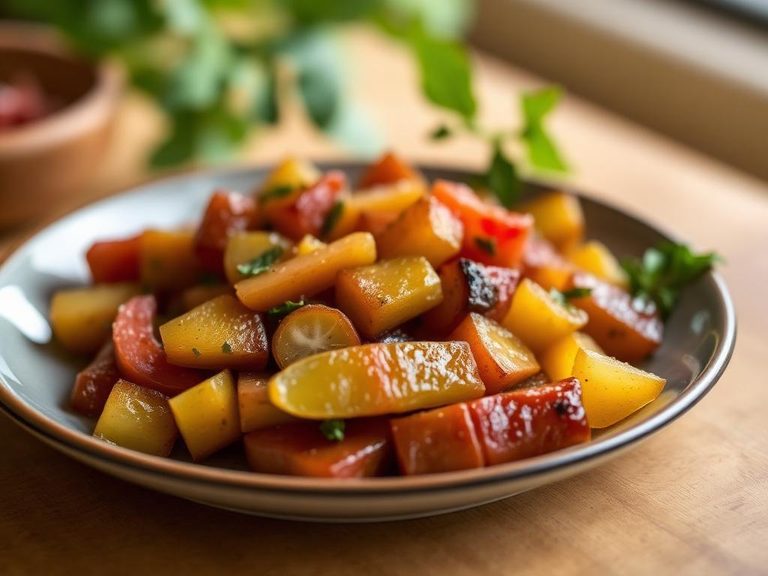
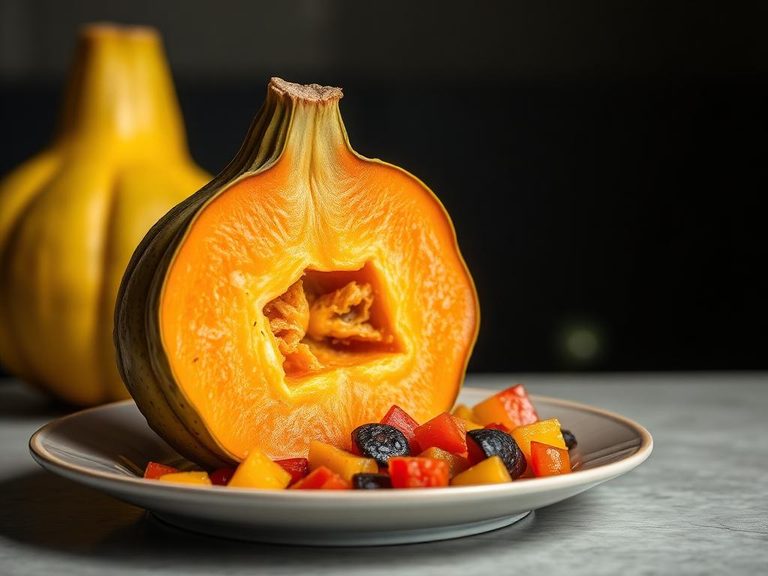
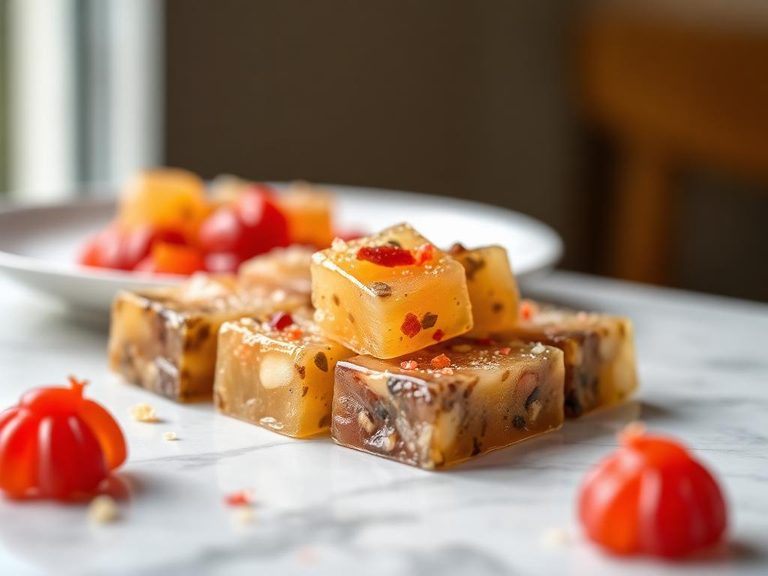
🌍 Where it's eaten
💡 Did you know?
The fruit is technically a pome, making it a distant relative of the apple and pear, despite its very different appearance and texture.
Full nutrition (USDA data · scales with serving)
| Water | 71.4 g |
| Energy | 111 kcal |
| Energy | 462 kj |
| Protein | 2.3 g |
| Total lipid (fat) | 2.0 g |
| Ash | 0.40 g |
| Carbohydrate, by difference | 23.9 g |
| Fiber, total dietary | 6.2 g |
| Total Sugars | 14.1 g |
| Sucrose | 12.5 g |
| Glucose | 1.1 g |
| Fructose | 0.50 g |
| Lactose | 0.00 g |
| Maltose | 0.00 g |
| Galactose | 0.00 g |
| Calcium, Ca | 15.0 mg |
| Iron, Fe | 2.2 mg |
| Magnesium, Mg | 32.0 mg |
| Phosphorus, P | 52.0 mg |
| Potassium, K | 131 mg |
| Sodium, Na | 4.0 mg |
| Zinc, Zn | 0.43 mg |
| Copper, Cu | 1.1 mg |
| Manganese, Mn | 0.15 mg |
| Vitamin C, total ascorbic acid | 25.8 mg |
| Vitamin A, RAE | 19.0 ug |
| Retinol | 0.00 ug |
| Carotene, beta | 230 ug |
| Carotene, alpha | 0.00 ug |
| Vitamin A, IU | 383 iu |
Fat & fatty acid profile (per 100g)
| Fatty acids, total saturated | 0.24 g |
| Fatty acids, total trans | 0.00 g |
FAQ
What does Rowal taste like?
Raw Rowal has a crisp, slightly mealy texture with a flavor profile that is primarily tart and mildly sweet, often compared to a sour cherry or a very tart apple with a hint of lemon.
Is Rowal the same as Hawthorn?
Rowal is a specific type of hawthorn fruit (Crataegus nepalensis), distinct from the more common European or Chinese hawthorn species used in other traditional medicines.
How is Rowal typically eaten?
Due to its tartness and texture, Rowal is most commonly processed into jams, chutneys, pickles, or concentrated syrups and squashes rather than eaten raw in large quantities.
Nutrient density (calculated · NRF9.3)
Nutrient Rich Foods index: beneficial nutrients (protein, fiber, vitamins, minerals) minus saturated fat, added sugar & sodium, per 100 kcal.
NRF9.3 index — Fulgoni, Keast & Drewnowski, 2009. Computed from USDA nutrients.
Weight-loss friendliness (composite index)
Energy density 1.11 kcal/g · 8% calories from protein · 6.2 g fiber · 14.1 g sugar per 100 g.
Composite of energy density (Rolls et al., 1999), protein & fiber satiety, minus sugar. A calculated heuristic — ranks satiety-per-calorie, not a clinical measure.
Dietary load (calculated from USDA values)
Potential renal acid load. Positive = acid-forming, negative = alkaline-forming.
Sodium-to-potassium ratio: 0.03 (lower is better — aim for ≤ 1)
Sodium:potassium per WHO potassium guidance. Computed from USDA nutrients.