

Oil, walrus (Alaska Native)
Whole food · American Indian/Alaska Native Foods

Photo: Wikipedia
Walrus oil is a dense, richly flavored animal fat rendered from the blubber of walruses, traditionally harvested by Alaska Native communities. It has a strong, distinct marine taste and a smooth, oily texture that solidifies when cool. Nutritionally, it is a pure source of energy, providing 900 calories and 100 grams of fat per 100 grams, with no protein, carbohydrates, or fiber.
Calorie split: 0% protein · 0% carbs · 100% fat
↓ Full nutrition💚 Why it's loved
It is deeply loved for its cultural significance and role in subsistence living, representing a connection to ancestral traditions and the land. Its potent, savory flavor is a hallmark of traditional Arctic cuisine.
⚠️ Watch-outs & how to enjoy it better
The intense, fishy flavor and oily mouthfeel can be overwhelming and are an acquired taste for many. Due to its extremely high saturated fat content, it should be consumed sparingly by those monitoring cardiovascular health. To counteract the richness, it is traditionally paired with lean meats, berries, or blubber in a balanced way.
Key benefits
- Extremely calorie-dense, providing vital energy in cold climates.
- A traditional, sustainable source of dietary fat for Arctic peoples.
- Contains omega-3 fatty acids, beneficial for heart and brain health.
- Used as a high-calorie food for long journeys and hunting expeditions.
- Historically used for waterproofing and as a lamp fuel.
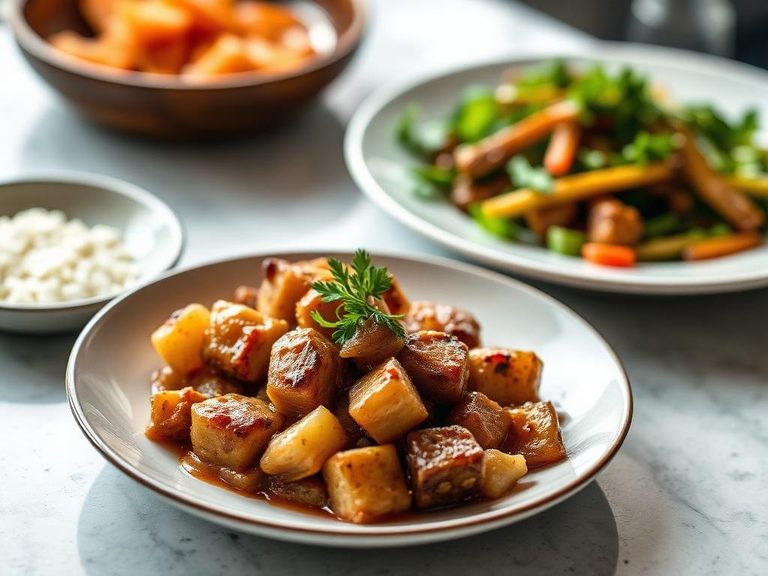
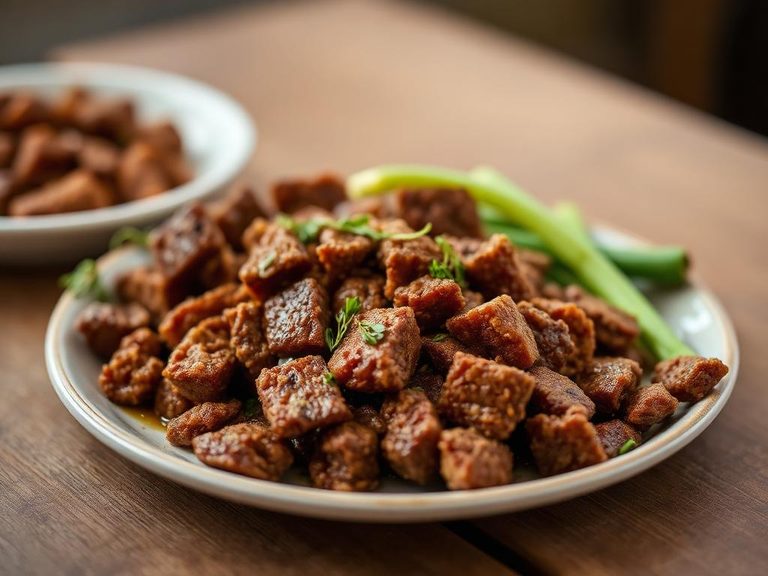
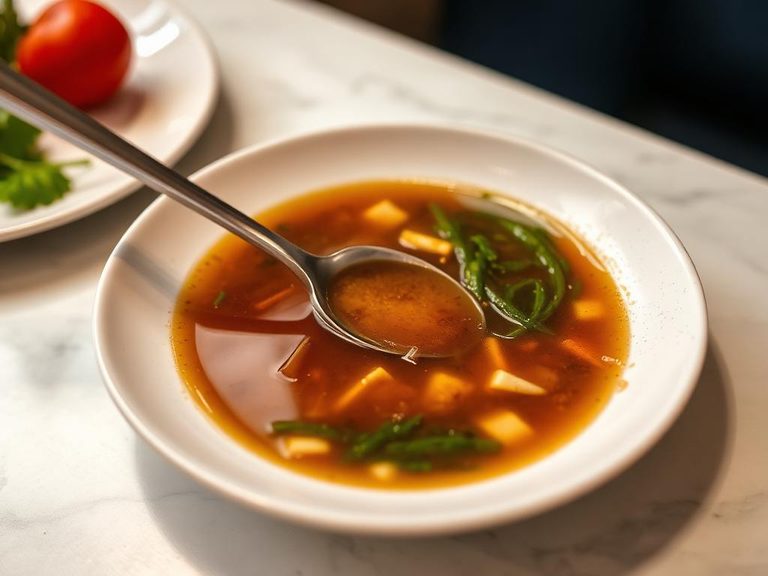
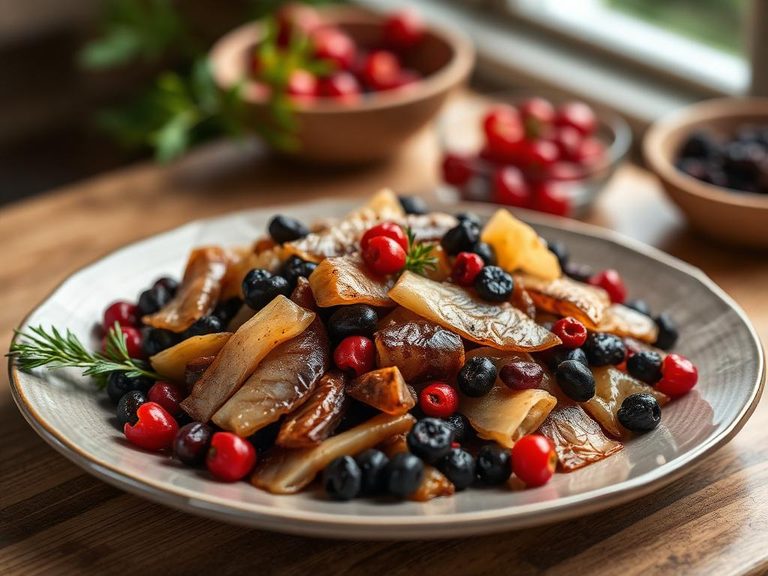
🍽️ Popular dishes

🌍 Where it's eaten
💡 Did you know?
Walrus oil was historically so valuable it was used as a trade commodity and even as lamp fuel, with a single quart able to burn for up to 40 hours.
Full nutrition (USDA data · scales with serving)
| Water | 0.00 g |
| Energy | 900 kcal |
| Energy | 3766 kj |
| Protein | 0.00 g |
| Total lipid (fat) | 100 g |
| Ash | 0.00 g |
| Carbohydrate, by difference | 0.00 g |
| Calcium, Ca | 0.00 mg |
| Thiamin | 0.00 mg |
| Riboflavin | 0.00 mg |
| Niacin | 0.00 mg |
| Vitamin A, IU | 2600 iu |
Fat & fatty acid profile (per 100g)
| Cholesterol | 120 mg |
Amino acid profile (per 100g)
Estimated from Seal, bearded (Oogruk), meat, dried, in oil (Alaska Native) — USDA does not publish this profile for Oil.
| Tryptophan | 0.34 g |
| Threonine | 1.4 g |
| Isoleucine | 1.3 g |
| Leucine | 2.7 g |
| Lysine | 2.9 g |
| Methionine | 0.72 g |
| Cystine | 0.19 g |
| Phenylalanine | 1.4 g |
| Tyrosine | 0.92 g |
| Valine | 1.4 g |
| Arginine | 2.0 g |
| Histidine | 1.3 g |
| Alanine | 2.0 g |
| Aspartic acid | 2.9 g |
| Glutamic acid | 4.7 g |
| Glycine | 1.9 g |
| Proline | 1.6 g |
| Serine | 1.3 g |
FAQ
What does walrus oil taste like?
It has a strong, distinct marine flavor, often described as intensely fishy or gamey, with a rich, oily texture.
Is walrus oil safe to eat?
When properly rendered and from a healthy animal, it is a traditional food. However, due to potential bioaccumulation of contaminants, modern consumption is less common and should be done with knowledge of sourcing.
How is walrus oil different from fish oil?
Both are marine fats, but walrus oil comes from mammalian blubber, has a stronger flavor, and is more solid at room temperature due to higher saturated fat content.
Weight-loss friendliness (composite index)
Energy density 9.00 kcal/g · 0% calories from protein · 0.0 g fiber · 0.0 g sugar per 100 g.
Composite of energy density (Rolls et al., 1999), protein & fiber satiety, minus sugar. A calculated heuristic — ranks satiety-per-calorie, not a clinical measure.