Consumed raw with other traditional foods
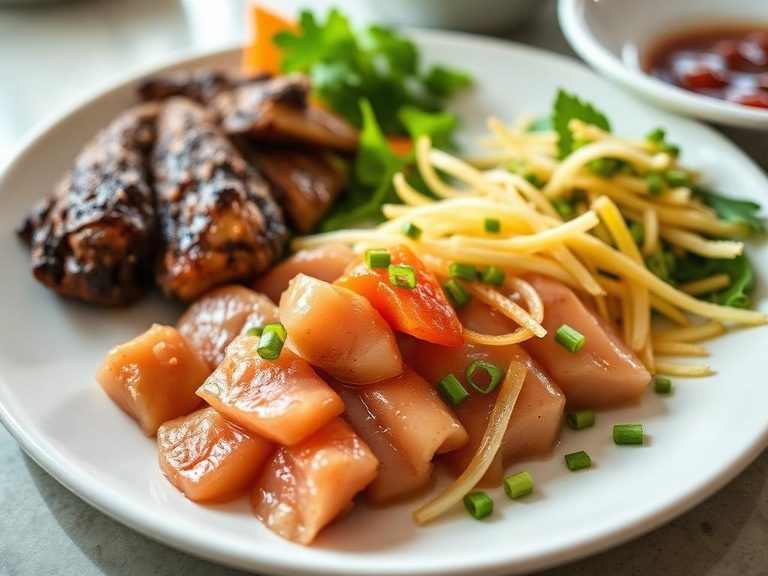
This dish refers to a variety of raw, fermented, or pickled foods commonly consumed as part of a traditional meal, often as a side or condiment. Typical examples include Korean kimchi (fermented napa cabbage and radish), Japanese tsukemono (pickled vegetables), or various raw salads with herbs and dressings. These preparations are deeply rooted in East Asian culinary traditions, particularly in Korea, Japan, and China, where they accompany rice and main dishes.
🍽️ Nutrition at a glance
Generally low in calories and fat, these dishes are high in fiber and provide essential vitamins like vitamin K and C, along with probiotics from fermentation. A typical serving might range from 20 to 50 calories, depending on ingredients and preparation methods.
Nutrition breakdown
| Calories | 30 kcal |
| Protein | 1.5 g |
| Carbs | 5 g |
| Fat | 0.5 g |
| Fiber | 2 g |
| Sugar | 2 g |
| Sodium | 300 mg |
| Vitamin K | 40 mcg |
| Vitamin C | 15 mg |
| Potassium | 120 mg |
| Sodium | 300 mg |
| Iron | 0.5 mg |
| Calcium | 25 mg |
| Probiotics | Varies (e.g., Lactobacillus) |
| Folate | 10 mcg |
Per 1/2 cup (75 g) of mixed raw or fermented vegetables · estimated, varies by recipe
💡 What's interesting
Culturally, these foods are valued for their role in aiding digestion and preserving vegetables through seasons. Nutritionally, fermented versions offer probiotics that support gut health, while raw preparations retain maximum nutrient content.