

Durian, raw or frozen
Whole food · Fruits and Fruit Juices
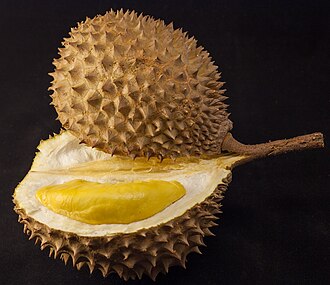
Photo: Wikipedia
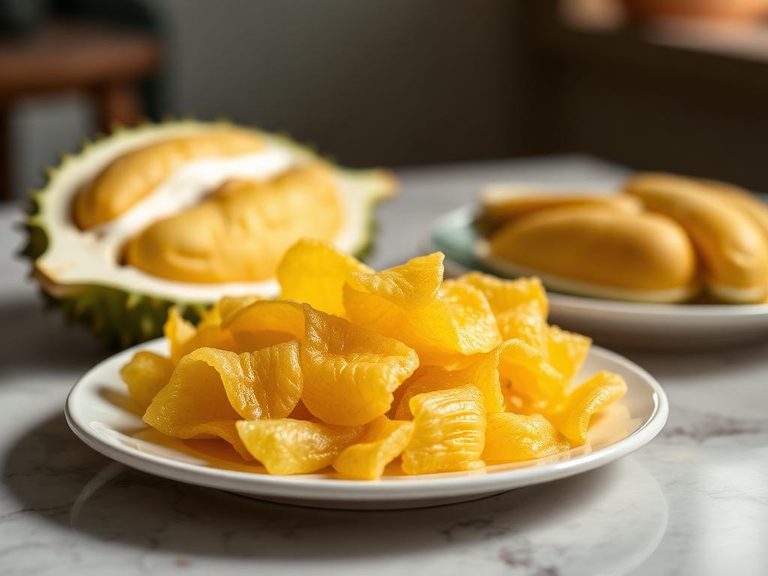
Known as the 'King of Fruits,' durian is a large, spiky tropical fruit with a famously pungent aroma and a rich, custard-like flesh. Its flavor profile is a complex, sweet-savory blend often compared to a mix of almonds, vanilla, and caramelized onions. Nutritionally, it's a dense source of energy, providing substantial carbohydrates and dietary fiber alongside its unique taste.
Calorie split: 4% protein · 67% carbs · 30% fat
↓ Full nutrition💚 Why it's loved
People love durian for its intensely creamy, rich, and sweet flavor that is utterly unique in the fruit world. It is a cultural icon in Southeast Asia, enjoyed fresh, frozen, or as a key ingredient in a wide array of desserts and savory dishes.
⚠️ Watch-outs & how to enjoy it better
Its powerful, sulfur-like odor is a major deterrent for many, and the high carbohydrate and calorie content can cause blood sugar spikes if consumed in large portions. To counteract this, practice portion control and pair it with a source of protein or fat, like a handful of nuts or a small serving of yogurt, to help moderate the glycemic response.
Key benefits
- High in dietary fiber for digestive health
- Rich in potassium, which supports heart and muscle function
- Provides a dense source of energy from complex carbohydrates
- Contains vitamin C, an antioxidant that supports immune function
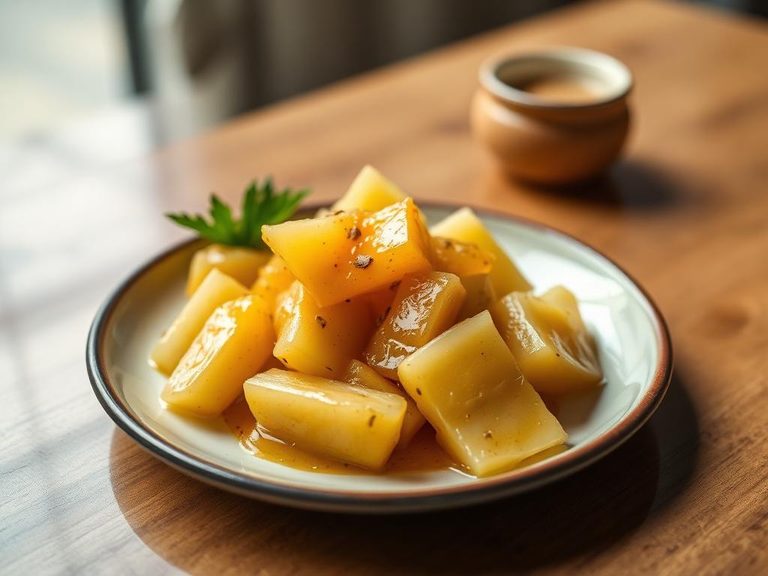
🍽️ Popular dishes
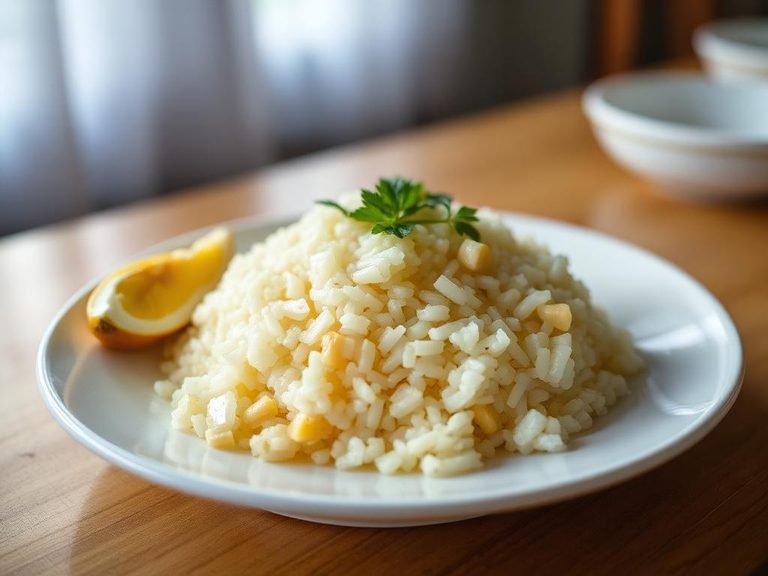
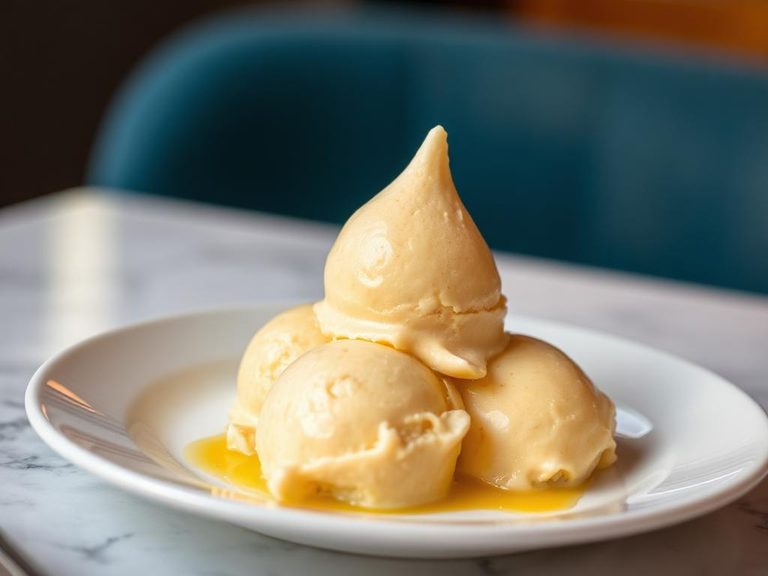
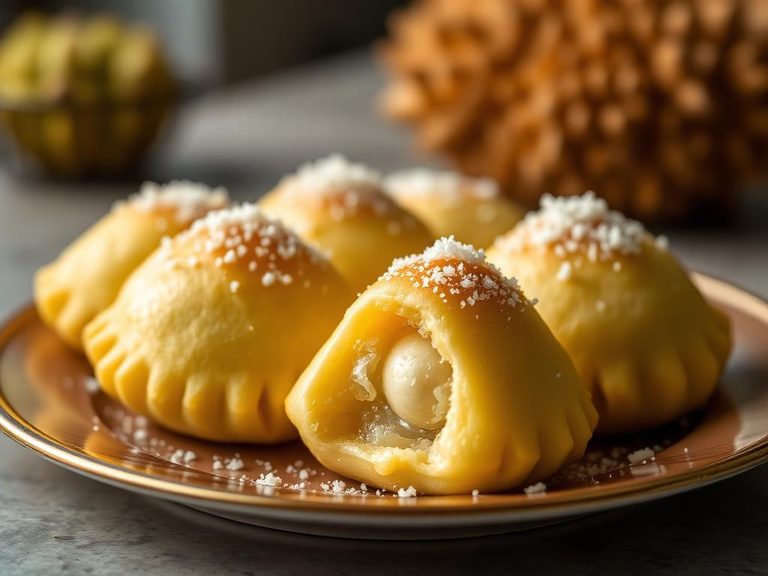

🌍 Where it's eaten
💡 Did you know?
The durian is banned from many hotels, public transportation, and airplanes in Southeast Asia due to its overwhelming smell, which can permeate an entire vehicle or building.
Full nutrition (USDA data · scales with serving)
| Water | 65.0 g |
| Energy | 147 kcal |
| Energy | 615 kj |
| Protein | 1.5 g |
| Total lipid (fat) | 5.3 g |
| Ash | 1.1 g |
| Carbohydrate, by difference | 27.1 g |
| Fiber, total dietary | 3.8 g |
| Calcium, Ca | 6.0 mg |
| Iron, Fe | 0.43 mg |
| Magnesium, Mg | 30.0 mg |
| Phosphorus, P | 39.0 mg |
| Potassium, K | 436 mg |
| Sodium, Na | 2.0 mg |
| Zinc, Zn | 0.28 mg |
| Copper, Cu | 0.21 mg |
| Manganese, Mn | 0.33 mg |
| Vitamin C, total ascorbic acid | 19.7 mg |
| Thiamin | 0.37 mg |
| Riboflavin | 0.20 mg |
| Niacin | 1.1 mg |
| Pantothenic acid | 0.23 mg |
| Vitamin B-6 | 0.32 mg |
| Folate, total | 36.0 ug |
| Folate, food | 36.0 ug |
| Vitamin B-12 | 0.00 ug |
| Vitamin A, RAE | 2.0 ug |
| Retinol | 0.00 ug |
| Carotene, beta | 23.0 ug |
| Carotene, alpha | 6.0 ug |
| Cryptoxanthin, beta | 0.00 ug |
| Vitamin A, IU | 44.0 iu |
Fat & fatty acid profile (per 100g)
| Fatty acids, total trans | 0.00 g |
| Cholesterol | 0.00 mg |
FAQ
Why does durian smell so bad?
The strong odor comes from a complex mix of volatile organic compounds, including sulfur-containing chemicals, which are also found in onions and garlic. The smell is a natural part of the fruit's ripening process to attract animals for seed dispersal.
Is durian high in sugar?
While the data provided lists 0g sugar, this is likely a reporting error or refers to a specific preparation. Fresh durian naturally contains significant sugars (around 27g carbs per 100g), so it should be consumed in moderation, especially by those monitoring blood sugar.
Can you eat durian raw?
Yes, durian is most commonly eaten fresh and raw. The soft, creamy flesh is scooped directly from the spiky husk. It is also widely used frozen, in desserts, or cooked in some savory dishes.
Nutrient density (calculated · NRF9.3)
Nutrient Rich Foods index: beneficial nutrients (protein, fiber, vitamins, minerals) minus saturated fat, added sugar & sodium, per 100 kcal.
NRF9.3 index — Fulgoni, Keast & Drewnowski, 2009. Computed from USDA nutrients.
Weight-loss friendliness (composite index)
Energy density 1.47 kcal/g · 4% calories from protein · 3.8 g fiber · 0.0 g sugar per 100 g.
Composite of energy density (Rolls et al., 1999), protein & fiber satiety, minus sugar. A calculated heuristic — ranks satiety-per-calorie, not a clinical measure.
Dietary load (calculated from USDA values)
Potential renal acid load. Positive = acid-forming, negative = alkaline-forming.
Sodium-to-potassium ratio: 0.00 (lower is better — aim for ≤ 1)
Sodium:potassium per WHO potassium guidance. Computed from USDA nutrients.