Bananas, ripe and slightly ripe, raw
Whole food · Fruits and Fruit Juices
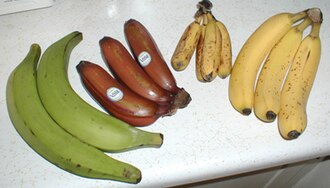
Photo: Wikipedia
A raw banana, whether perfectly ripe or slightly under-ripe, offers a firm, starchy texture and a mildly sweet, earthy flavor. Nutritionally, it's a powerhouse of quick-energy carbohydrates and a notable source of dietary fiber, particularly resistant starch in less ripe fruit.
💚 Why it's loved
People adore bananas for their perfect balance of natural sweetness and creamy texture, making them a universally convenient snack. They are deeply embedded in global food culture, from a child's lunchbox to ceremonial offerings in many Asian traditions.
⚠️ Watch-outs & how to enjoy it better
Due to their carbohydrate content, bananas can cause a quicker rise in blood sugar compared to lower-glycemic fruits. To counteract this, pair a banana with a source of protein or healthy fat, like a handful of nuts or a spoonful of nut butter, to slow digestion and sugar absorption.
Key benefits
- Excellent source of potassium for heart and muscle function.
- Provides resistant starch (in slightly ripe bananas) that feeds beneficial gut bacteria.
- Naturally portable, pre-packaged snack requiring no preparation.
- Good source of vitamin B6 for brain health and metabolism.
🍽️ Popular dishes
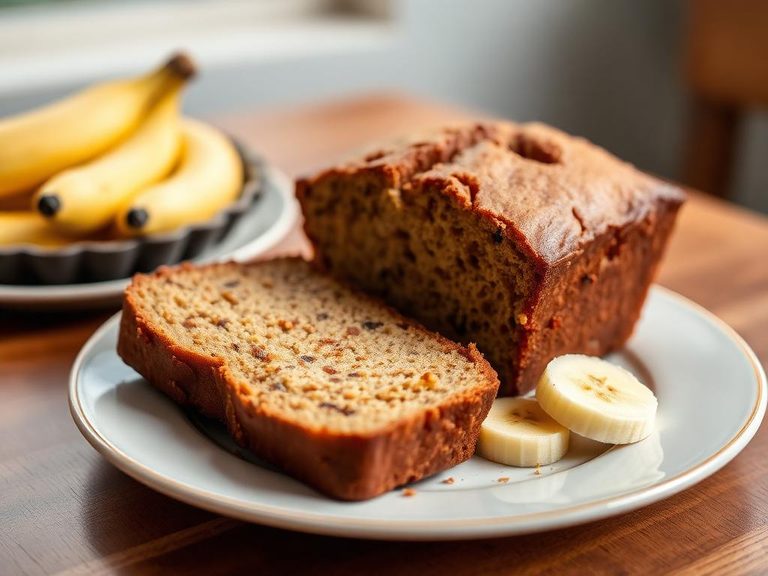
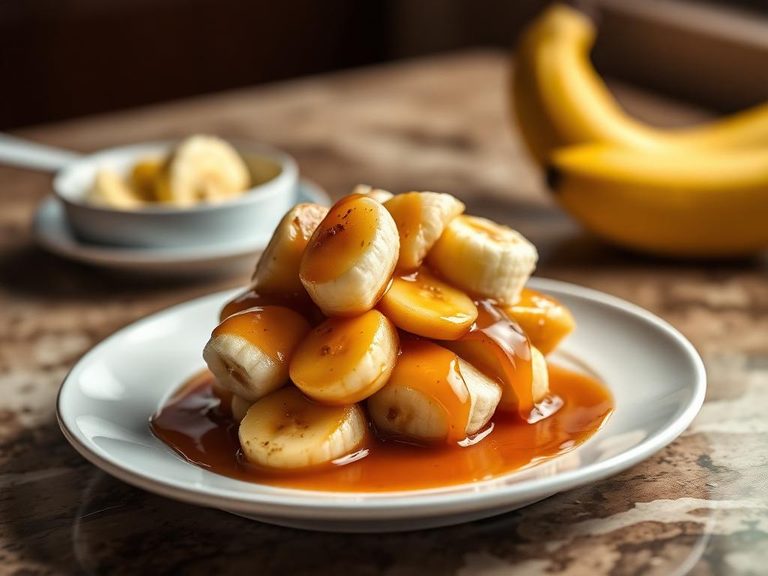
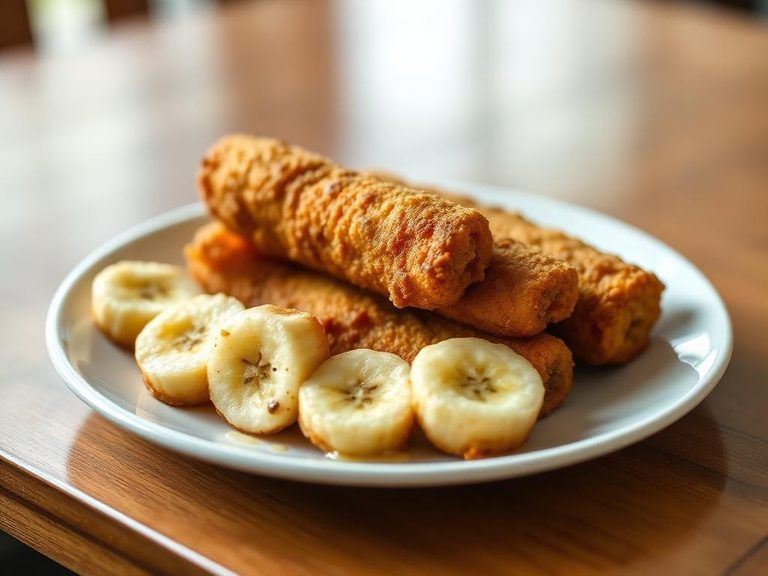
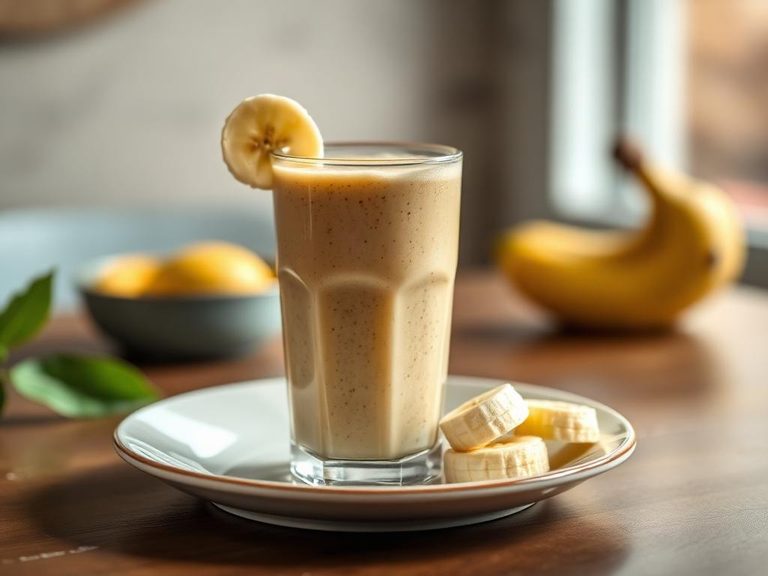
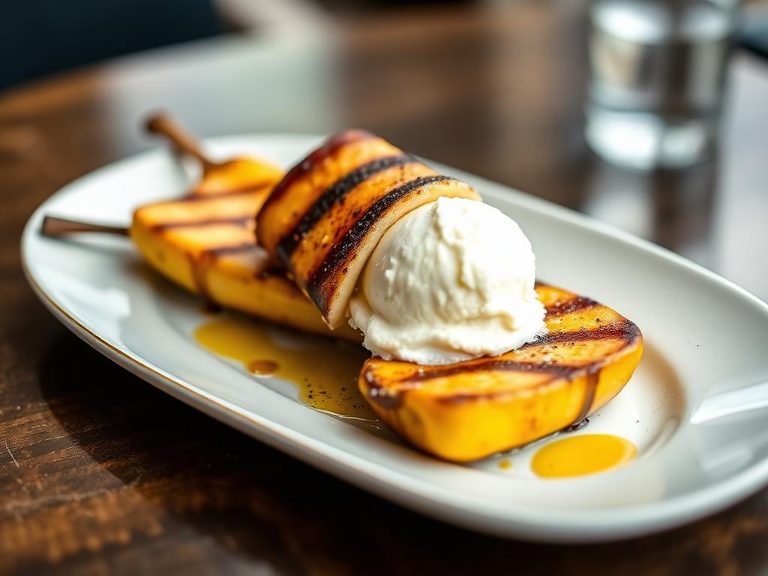
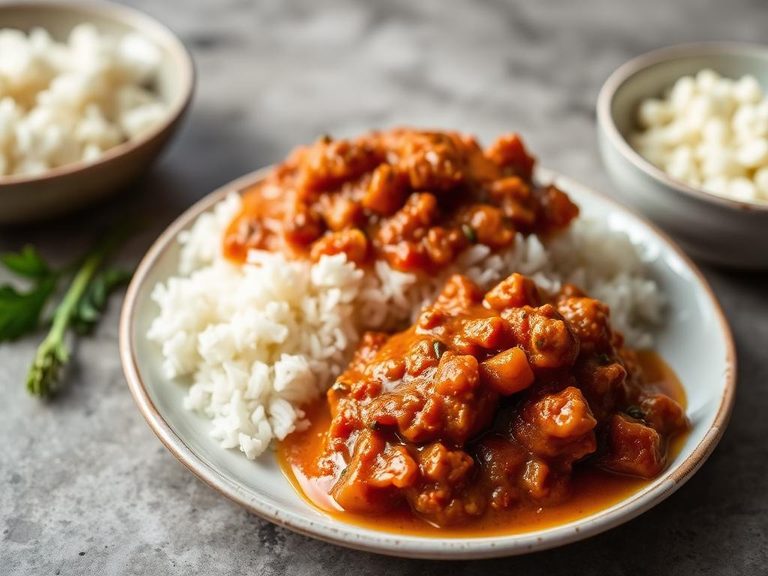
🌍 Where it's eaten
💡 Did you know?
The wild ancestor of the modern banana, *Musa acuminata*, contained large, hard seeds, and the fruit we eat today is a sterile, seedless hybrid developed through centuries of human cultivation.
Full nutrition (scales with serving)
| Water | 75.3 g |
| Energy | 97.0 kcal |
| Energy | 408 kj |
| Nitrogen | 0.12 g |
| Protein | 0.74 g |
| Total lipid (fat) | 0.29 g |
| Ash | 0.70 g |
| Carbohydrate, by difference | 23.0 g |
| Fiber, total dietary | 1.7 g |
| Total dietary fiber (AOAC 2011.25) | 4.6 g |
| Citric acid | 341 mg |
| Malic acid | 369 mg |
| Calcium, Ca | 5.0 mg |
| Iron, Fe | 0.00 mg |
| Magnesium, Mg | 28.0 mg |
| Phosphorus, P | 22.0 mg |
| Potassium, K | 326 mg |
| Sodium, Na | 0.00 mg |
| Zinc, Zn | 0.16 mg |
| Copper, Cu | 0.10 mg |
| Manganese, Mn | 0.26 mg |
| Iodine, I | 0.00 ug |
| Selenium, Se | 0.00 ug |
| Vitamin C, total ascorbic acid | 12.3 mg |
| Thiamin | 0.06 mg |
| Riboflavin | 0.00 mg |
| Niacin | 0.66 mg |
| Vitamin B-6 | 0.21 mg |
| Biotin | 0.00 ug |
| Folate, total | 14.0 ug |
| Vitamin A, RAE | 1.0 ug |
| Carotene, beta | 8.0 ug |
| cis-beta-Carotene | 1.0 ug |
| trans-beta-Carotene | 7.0 ug |
| Carotene, alpha | 7.0 ug |
| Cryptoxanthin, beta | 0.00 ug |
| Cryptoxanthin, alpha | 0.00 ug |
| cis-Lycopene | 0.00 ug |
| trans-Lycopene | 0.00 ug |
| cis-Lutein/Zeaxanthin | 0.00 ug |
| Vitamin K (phylloquinone) | 0.10 ug |
| Vitamin K (Dihydrophylloquinone) | 0.00 ug |
| Vitamin K (Menaquinone-4) | 0.00 ug |
FAQ
Is a slightly green banana healthier than a fully yellow one?
It depends on your goal. Slightly green bananas are higher in resistant starch, a prebiotic fiber that benefits gut health and has a lower glycemic impact. Fully ripe yellow bananas have more simple sugars and a sweeter taste, making them better for quick energy.
Why do bananas sometimes cause digestive discomfort?
This is often due to their content of fermentable carbohydrates (FODMAPs) and fiber. For sensitive individuals, eating smaller portions or opting for a very ripe banana (which has less resistant starch) may be easier to digest.
How should I store bananas to control their ripening?
Store them at room temperature away from other produce. To slow ripening, you can wrap the stem in plastic. To speed it up, place them in a paper bag. Once ripe to your liking, you can refrigerate them—the peel will darken, but the fruit inside will stay firm for a few more days.