

Balsam-pear (bitter gourd), leafy tips, raw
Whole food · Vegetables and Vegetable Products

Photo: Wikipedia
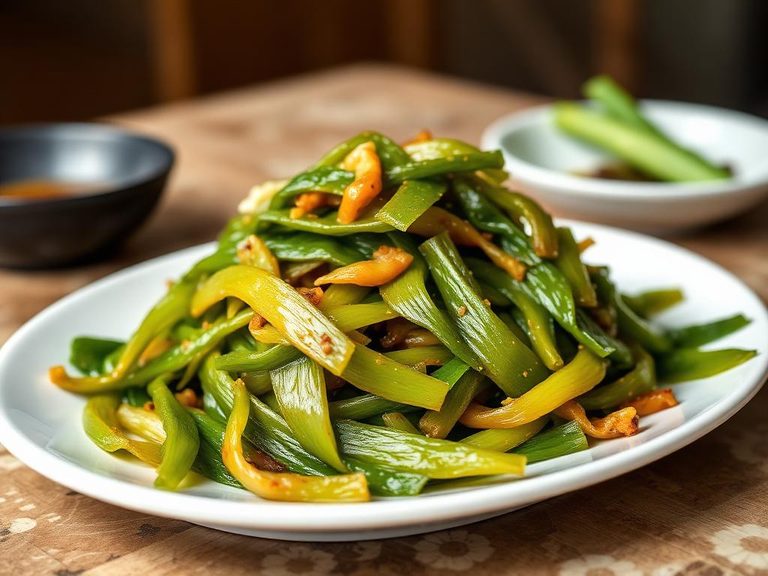
Balsam-pear leafy tips are the tender, vibrant green leaves and stems of the bitter melon plant, harvested before the fruit develops. They possess a distinct, mild bitterness with a fresh, herbaceous flavor and a tender-crisp texture when raw. Nutritionally, they are a standout source of plant-based protein, packing over 5 grams per 100 grams with minimal calories and fat.
Calorie split: 52% protein · 32% carbs · 15% fat
↓ Full nutrition💚 Why it's loved
People love these leaves for their distinct, palate-cleansing bitterness that cuts through rich dishes, and for their impressive nutritional density. They are cherished in many cuisines for adding depth, color, and a fresh, green element to soups, stir-fries, and salads.
⚠️ Watch-outs & how to enjoy it better
The primary downside is the inherent bitterness, which can be off-putting to some palates, especially those unfamiliar with bitter greens. To counteract this, you can blanch the leaves in salted water for 30-60 seconds before cooking, or pair them with strong flavors like garlic, chili, coconut milk, or a splash of vinegar to balance the taste.
Key benefits
- Excellent source of plant-based protein (5.3g per 100g)
- Very low in calories (30 kcal per 100g)
- Naturally low in fat and sugar
- Provides vitamins and minerals typical of dark leafy greens
- Offers a unique bitter flavor profile for culinary diversity
🍽️ Popular dishes
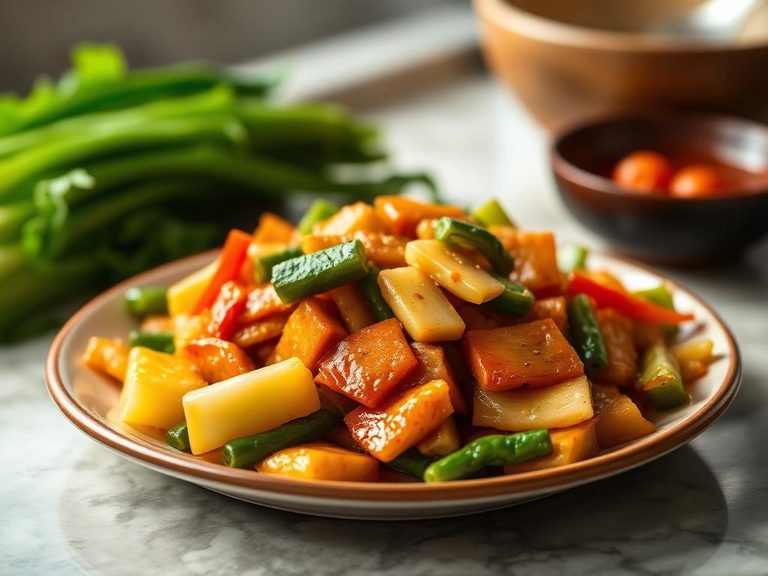
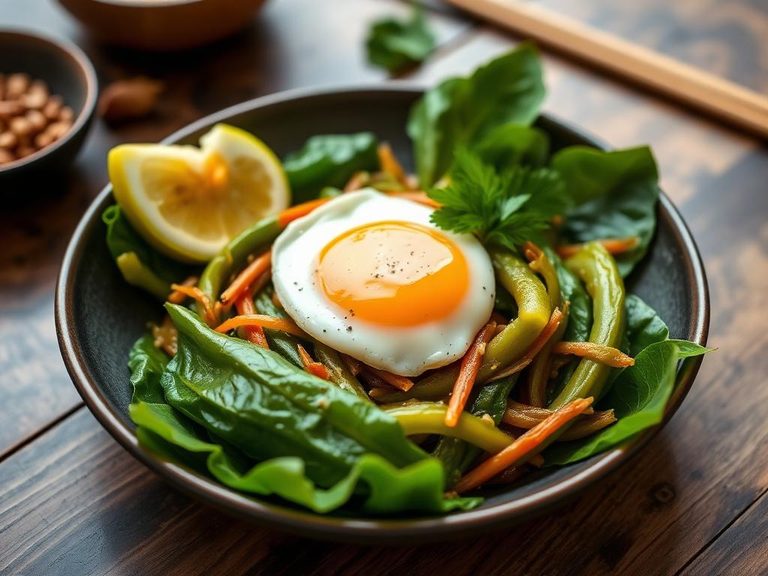
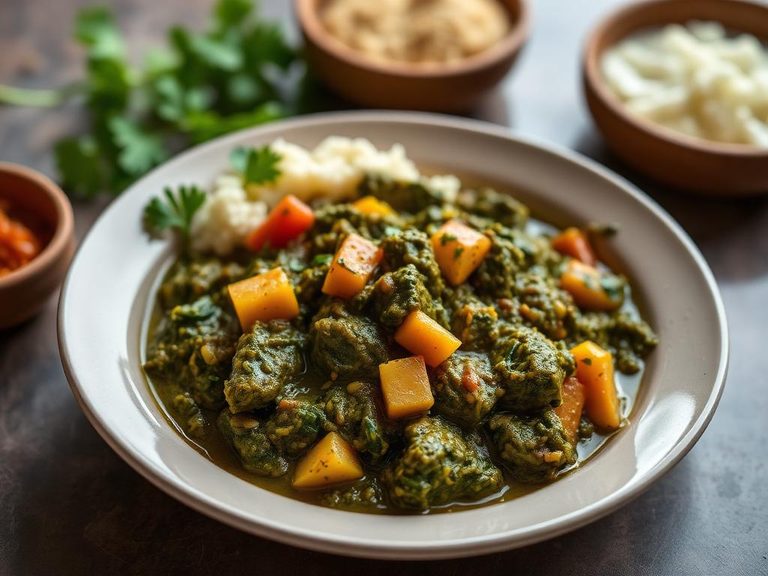
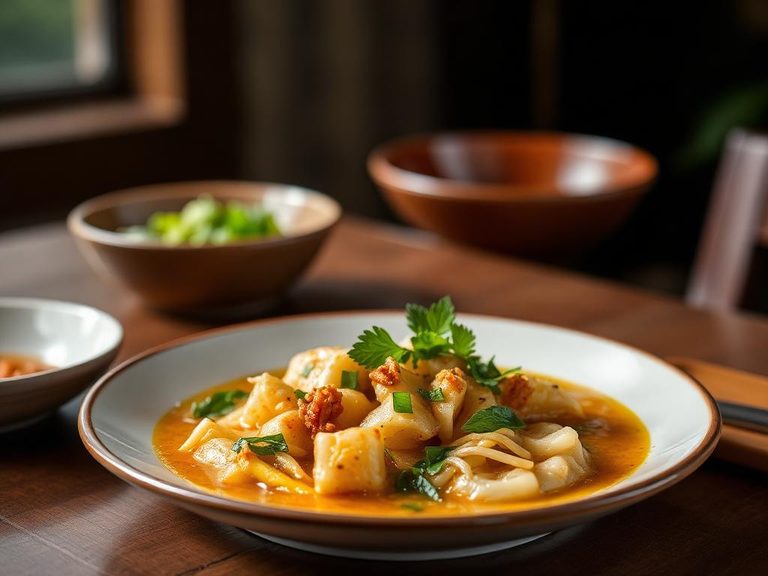
🌍 Where it's eaten
💡 Did you know?
The bitter compound in balsam-pear leaves, called momordicin, is the same one found in the fruit and is studied for its potential to influence glucose metabolism.
Full nutrition (USDA data · scales with serving)
| Water | 89.3 g |
| Energy | 30.0 kcal |
| Energy | 126 kj |
| Protein | 5.3 g |
| Total lipid (fat) | 0.69 g |
| Ash | 1.5 g |
| Carbohydrate, by difference | 3.3 g |
| Calcium, Ca | 84.0 mg |
| Iron, Fe | 2.0 mg |
| Magnesium, Mg | 85.0 mg |
| Phosphorus, P | 99.0 mg |
| Potassium, K | 608 mg |
| Sodium, Na | 11.0 mg |
| Zinc, Zn | 0.30 mg |
| Copper, Cu | 0.20 mg |
| Manganese, Mn | 0.54 mg |
| Selenium, Se | 0.90 ug |
| Vitamin C, total ascorbic acid | 88.0 mg |
| Thiamin | 0.18 mg |
| Riboflavin | 0.36 mg |
| Niacin | 1.1 mg |
| Pantothenic acid | 0.06 mg |
| Vitamin B-6 | 0.80 mg |
| Folate, total | 128 ug |
| Folic acid | 0.00 ug |
| Folate, food | 128 ug |
| Folate, DFE | 128 ug |
| Vitamin B-12 | 0.00 ug |
| Vitamin A, RAE | 87.0 ug |
| Retinol | 0.00 ug |
| Vitamin A, IU | 1734 iu |
| Vitamin D (D2 + D3), International Units | 0.00 iu |
| Vitamin D (D2 + D3) | 0.00 ug |
Fat & fatty acid profile (per 100g)
| Fatty acids, total trans | 0.00 g |
| Cholesterol | 0.00 mg |
FAQ
Are balsam-pear leaves the same as bitter melon leaves?
Yes, they are the same. Balsam-pear is another common name for bitter melon (Momordica charantia), so its leafy tips are simply the young leaves and tender stems of the bitter melon vine.
How do I reduce the bitterness before eating them raw?
To mellow the bitterness for raw salads, slice the leaves thinly and soak them in ice water for 15-20 minutes. A light massage with a pinch of salt followed by a rinse can also help draw out some of the bitter compounds.
Can I eat the stems too?
Yes, the tender, young stems and tendrils are edible and have a similar flavor and texture to the leaves. Avoid thicker, more fibrous parts of the vine.
Nutrient density (calculated · NRF9.3)
Nutrient Rich Foods index: beneficial nutrients (protein, fiber, vitamins, minerals) minus saturated fat, added sugar & sodium, per 100 kcal.
NRF9.3 index — Fulgoni, Keast & Drewnowski, 2009. Computed from USDA nutrients.
Weight-loss friendliness (composite index)
Energy density 0.30 kcal/g · 71% calories from protein · 0.0 g fiber · 0.0 g sugar per 100 g.
Composite of energy density (Rolls et al., 1999), protein & fiber satiety, minus sugar. A calculated heuristic — ranks satiety-per-calorie, not a clinical measure.
Dietary load (calculated from USDA values)
Potential renal acid load. Positive = acid-forming, negative = alkaline-forming.
Sodium-to-potassium ratio: 0.02 (lower is better — aim for ≤ 1)
Sodium:potassium per WHO potassium guidance. Computed from USDA nutrients.