

Sweet Potato puffs, frozen, unprepared
Whole food · Vegetables and Vegetable Products

Photo: Wikipedia
These are bite-sized, pillow-shaped nuggets made from mashed sweet potato, flash-frozen to lock in their vibrant orange color and natural sweetness. When cooked, they develop a delightfully crisp, golden exterior that gives way to a soft, fluffy, and creamy interior. Nutritionally, they offer a good source of complex carbs and fiber with a moderate calorie count.
Calorie split: 3% protein · 77% carbs · 20% fat
↓ Full nutrition💚 Why it's loved
People adore them for their perfect balance of crispy exterior and pillowy interior, delivering a comforting, sweet, and savory flavor profile. They are incredibly versatile, serving as a quick side dish, a kid-friendly snack, or a creative base for toppings.
⚠️ Watch-outs & how to enjoy it better
The convenience often comes with added sodium in pre-seasoned varieties, and the natural sugars can cause a blood-sugar spike if eaten alone. To counteract this, pair them with a protein or healthy fat like grilled chicken, Greek yogurt, or avocado, and practice portion control.
Key benefits
- Rich in beta-carotene, a precursor to vitamin A.
- Provides dietary fiber for digestive health.
- Convenient source of complex carbohydrates for energy.
- Naturally sweet flavor can reduce need for added sugars.
🍽️ Popular dishes
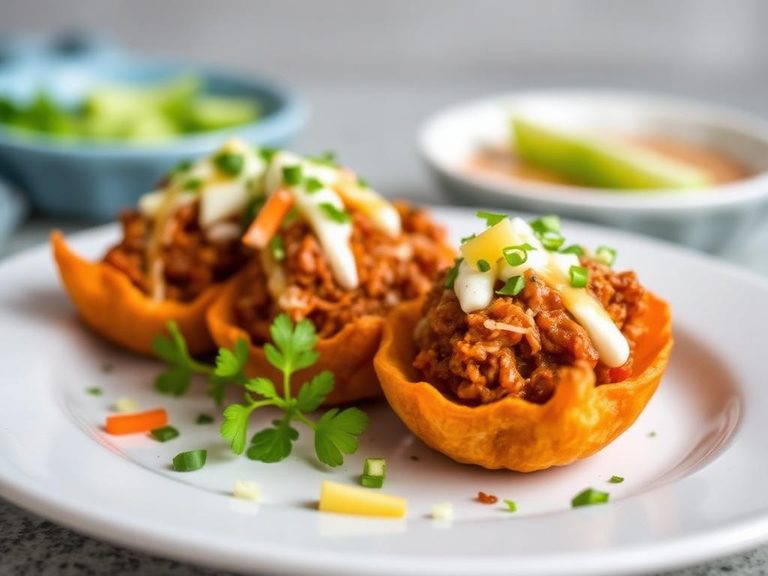
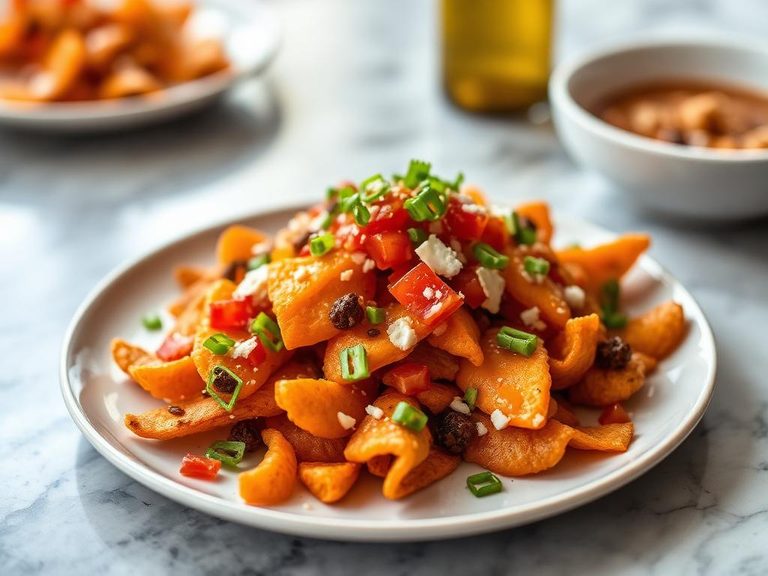
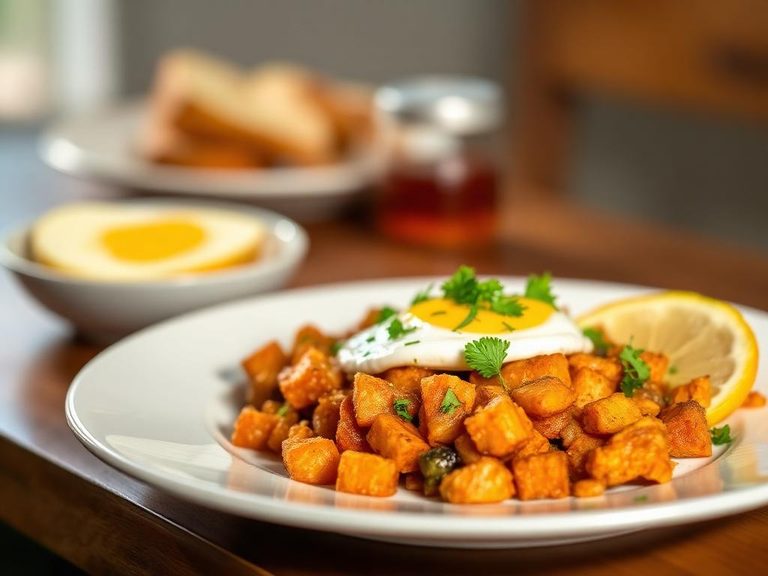
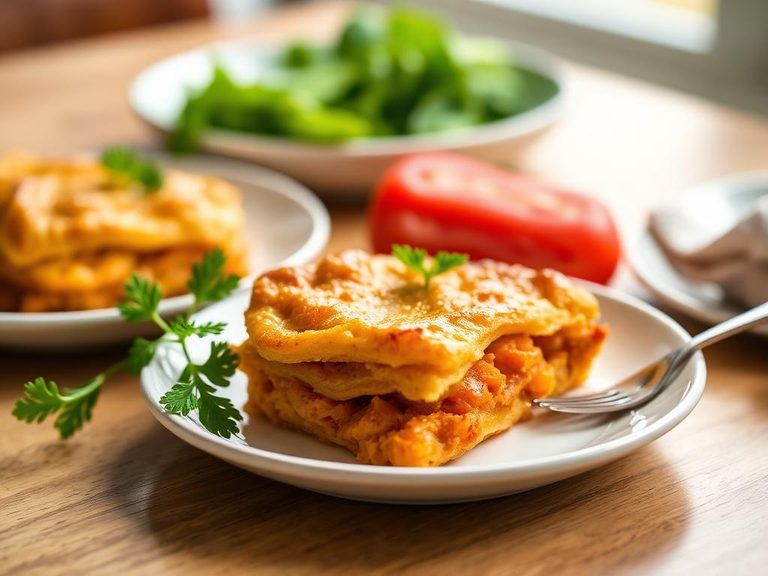
🌍 Where it's eaten
💡 Did you know?
The vibrant orange color is a direct visual indicator of their high beta-carotene content, which the body converts to vitamin A.
Full nutrition (USDA data · scales with serving)
| Water | 63.0 g |
| Energy | 161 kcal |
| Energy | 672 kj |
| Protein | 1.4 g |
| Total lipid (fat) | 3.6 g |
| Ash | 1.3 g |
| Carbohydrate, by difference | 30.7 g |
| Fiber, total dietary | 1.9 g |
| Total Sugars | 7.7 g |
| Calcium, Ca | 57.0 mg |
| Iron, Fe | 0.40 mg |
| Potassium, K | 248 mg |
| Sodium, Na | 250 mg |
| Vitamin C, total ascorbic acid | 2.2 mg |
| Vitamin A, IU | 3000 iu |
Fat & fatty acid profile (per 100g)
| Fatty acids, total saturated | 0.31 g |
| Fatty acids, total trans | 0.07 g |
| Cholesterol | 0.00 mg |
Amino acid profile (per 100g)
Estimated from Sweet potato, frozen, cooked, baked, with salt — USDA does not publish this profile for Sweet Potato puffs.
| Tryptophan | 0.02 g |
| Threonine | 0.09 g |
| Isoleucine | 0.09 g |
| Leucine | 0.13 g |
| Lysine | 0.08 g |
| Methionine | 0.04 g |
| Cystine | 0.01 g |
| Phenylalanine | 0.10 g |
| Tyrosine | 0.07 g |
| Valine | 0.11 g |
| Arginine | 0.08 g |
| Histidine | 0.03 g |
| Alanine | 0.09 g |
| Aspartic acid | 0.29 g |
| Glutamic acid | 0.17 g |
| Glycine | 0.08 g |
| Proline | 0.07 g |
| Serine | 0.09 g |
FAQ
How do I get the crispiest texture?
For the crispiest exterior, cook from frozen in a preheated air fryer or oven at a high temperature (around 400°F/200°C), shaking the basket or pan halfway through. Avoid overcrowding.
Are these the same as tater tots?
No. Tater tots are typically made from grated potato, while sweet potato puffs are made from mashed sweet potato, resulting in a different texture and flavor profile.
Can I use them in sweet dishes?
Absolutely! Their natural sweetness makes them a great base for dessert-style dishes, perhaps topped with cinnamon, maple syrup, or a dollop of whipped cream.
Nutrient density (calculated · NRF9.3)
Nutrient Rich Foods index: beneficial nutrients (protein, fiber, vitamins, minerals) minus saturated fat, added sugar & sodium, per 100 kcal.
NRF9.3 index — Fulgoni, Keast & Drewnowski, 2009. Computed from USDA nutrients.
Weight-loss friendliness (composite index)
Energy density 1.61 kcal/g · 3% calories from protein · 1.9 g fiber · 7.7 g sugar per 100 g.
Composite of energy density (Rolls et al., 1999), protein & fiber satiety, minus sugar. A calculated heuristic — ranks satiety-per-calorie, not a clinical measure.
Dietary load (calculated from USDA values)
Sodium-to-potassium ratio: 1.01 (lower is better — aim for ≤ 1)
Sodium:potassium per WHO potassium guidance. Computed from USDA nutrients.