

Ice creams, BREYERS, No Sugar Added, Vanilla
Whole food · Sweets

Photo: Wikipedia
Breyers No Sugar Added Vanilla is a classic, creamy vanilla ice cream sweetened with a blend of sugar alcohols and natural flavors, offering the familiar, smooth texture of traditional ice cream without the added sugars. Each 100g serving delivers a modest 143 calories, with a notable 3.68g of protein and 6.2g of fat, providing a more balanced macronutrient profile than many frozen desserts. It's a go-to for those craving a sweet treat while managing their sugar intake.
Calorie split: 9% protein · 55% carbs · 35% fat
↓ Full nutrition💚 Why it's loved
People love it for delivering the comforting, nostalgic taste of real vanilla ice cream without the sugar crash, making it a satisfying dessert for health-conscious individuals and families. Its versatility allows it to be enjoyed on its own, as a base for sundaes, or blended into smoothies.
⚠️ Watch-outs & how to enjoy it better
The sugar alcohols (like maltitol) used for sweetening can cause digestive discomfort (bloating, gas) in some individuals, especially when consumed in large quantities. To minimize this, start with a small portion and see how your body reacts. It also contains common allergens like milk and may have trace amounts of soy.
Key benefits
- Contains no added sugars, using sugar alcohols for sweetness.
- Provides a good source of protein for a frozen dessert.
- Lower in calories than many standard ice cream varieties.
- Offers a familiar, creamy vanilla flavor and texture.
🍽️ Popular dishes
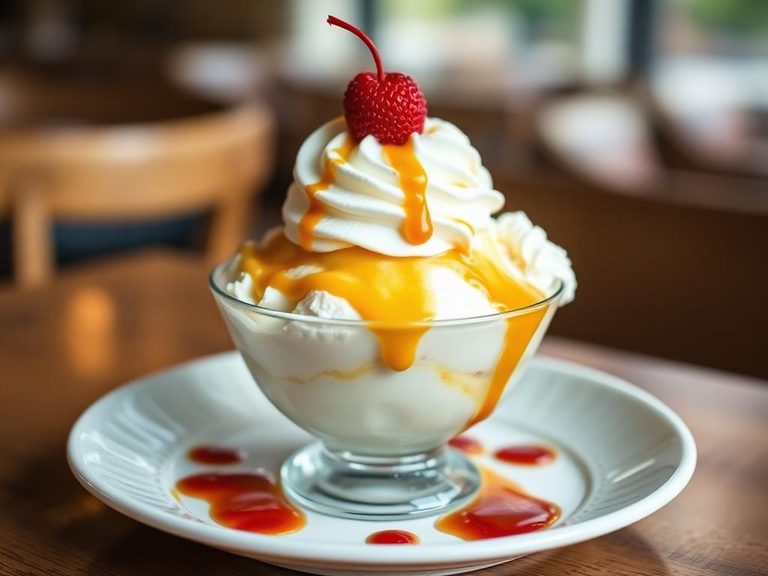

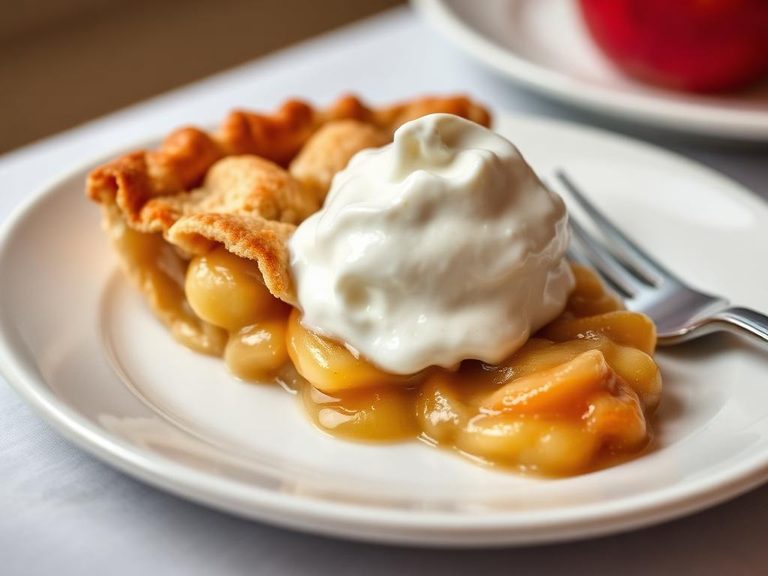
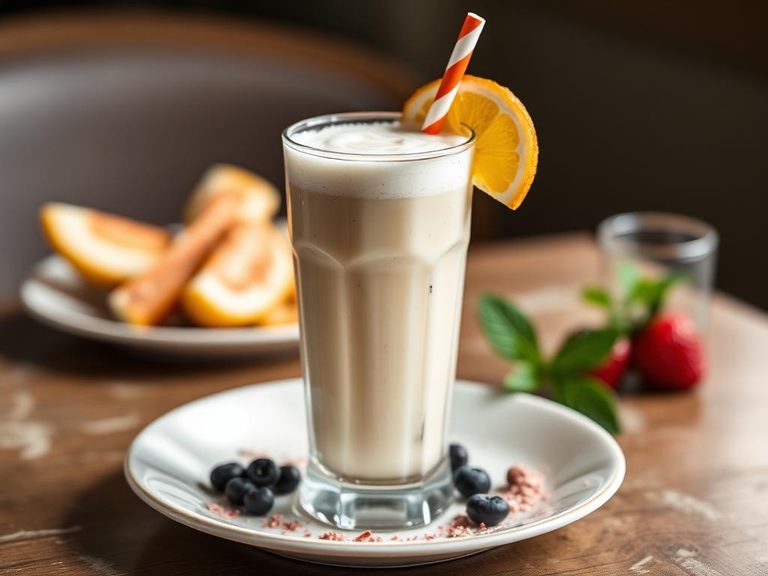

🌍 Where it's eaten
💡 Did you know?
Breyers was founded in 1866 and originally hand-cranked its ice cream using a horse-drawn freezer, a tradition the company honored for decades.
Full nutrition (USDA data · scales with serving)
| Water | 67.9 g |
| Energy | 143 kcal |
| Energy | 600 kj |
| Protein | 3.7 g |
| Total lipid (fat) | 6.2 g |
| Ash | 0.84 g |
| Carbohydrate, by difference | 21.9 g |
| Fiber, total dietary | 0.50 g |
| Total Sugars | 6.1 g |
| Calcium, Ca | 133 mg |
| Iron, Fe | 0.09 mg |
| Sodium, Na | 66.0 mg |
| Vitamin C, total ascorbic acid | 0.80 mg |
| Vitamin A, IU | 291 iu |
Fat & fatty acid profile (per 100g)
| Fatty acids, total saturated | 3.9 g |
| Cholesterol | 18.0 mg |
Amino acid profile (per 100g)
Estimated from Ice creams, vanilla, rich — USDA does not publish this profile for Ice creams.
| Tryptophan | 0.04 g |
| Threonine | 0.14 g |
| Isoleucine | 0.18 g |
| Leucine | 0.30 g |
| Lysine | 0.25 g |
| Methionine | 0.08 g |
| Cystine | 0.03 g |
| Phenylalanine | 0.15 g |
| Tyrosine | 0.14 g |
| Valine | 0.20 g |
| Arginine | 0.14 g |
| Histidine | 0.08 g |
| Alanine | 0.14 g |
| Glutamic acid | 0.65 g |
| Glycine | 0.15 g |
| Proline | 0.34 g |
| Serine | 0.17 g |
FAQ
What does 'No Sugar Added' mean for this ice cream?
It means no sucrose (table sugar) is added during manufacturing. The sweetness comes from sugar alcohols like maltitol, which have fewer calories per gram than sugar and a lower impact on blood glucose.
Is this suitable for a diabetic diet?
It can be a better option than regular ice cream due to the absence of added sugars and a lower glycemic impact. However, sugar alcohols still contain calories and can affect blood sugar. It's best to consult with a healthcare provider for personalized advice.
Why might it cause stomach issues?
Sugar alcohols are not fully absorbed by the body and can have a laxative effect if eaten in excess. The 'cooling' sensation in the mouth is also a characteristic of some sugar alcohols like erythritol, which is often blended in.
Nutrient density (calculated · NRF9.3)
Nutrient Rich Foods index: beneficial nutrients (protein, fiber, vitamins, minerals) minus saturated fat, added sugar & sodium, per 100 kcal.
NRF9.3 index — Fulgoni, Keast & Drewnowski, 2009. Computed from USDA nutrients.
Weight-loss friendliness (composite index)
Energy density 1.43 kcal/g · 10% calories from protein · 0.5 g fiber · 6.1 g sugar per 100 g.
Composite of energy density (Rolls et al., 1999), protein & fiber satiety, minus sugar. A calculated heuristic — ranks satiety-per-calorie, not a clinical measure.