

Ice creams, BREYERS, 98% Fat Free Chocolate
Whole food · Sweets

Photo: Wikipedia
This is a light, airy chocolate ice cream from Breyers, designed to deliver classic cocoa flavor with a significantly reduced fat content. Its texture is smooth and creamy, though slightly less dense than premium full-fat varieties, with a clean chocolate taste that isn't overly sweet. Nutritionally, it stands out for being very low in fat while still providing a respectable amount of fiber.
Calorie split: 10% protein · 77% carbs · 13% fat
↓ Full nutrition💚 Why it's loved
People love it as a guilt-free way to satisfy a chocolate craving, offering the familiar comfort of ice cream with a lighter nutritional profile. Its versatility makes it a quick dessert or a base for simple sundaes.
⚠️ Watch-outs & how to enjoy it better
The lower fat content can result in a less creamy mouthfeel and a tendency to melt faster. Those monitoring sugar intake should note it contains over 20g of sugar per 100g, which can contribute to blood-sugar spikes. Tip: Pair a scoop with a handful of nuts or a source of protein to slow sugar absorption.
Key benefits
- Very low in fat (2.17g per 100g)
- Good source of dietary fiber (5.8g per 100g)
- Moderate protein content (3.89g per 100g)
- Lower calorie density than traditional ice cream (136 kcal per 100g)
🍽️ Popular dishes
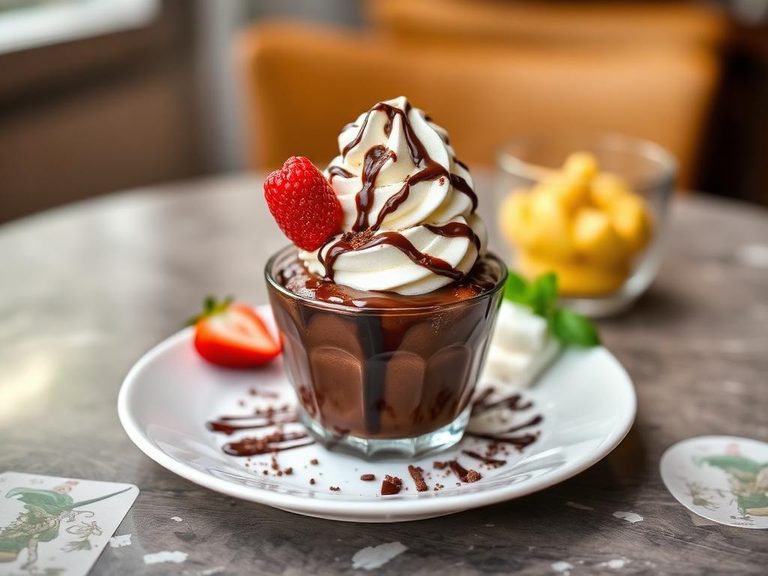
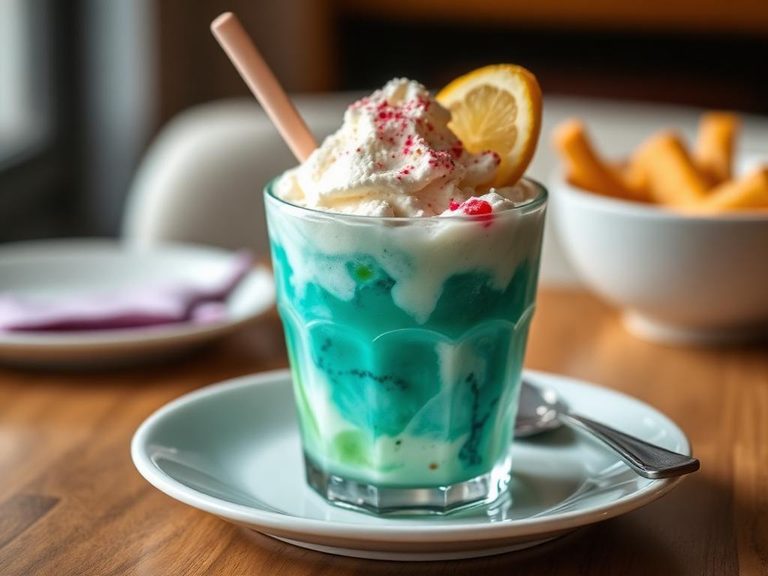
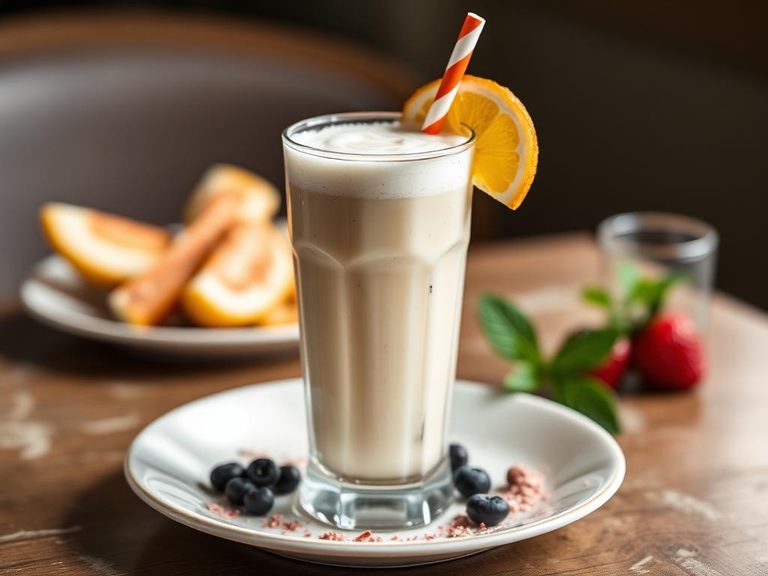
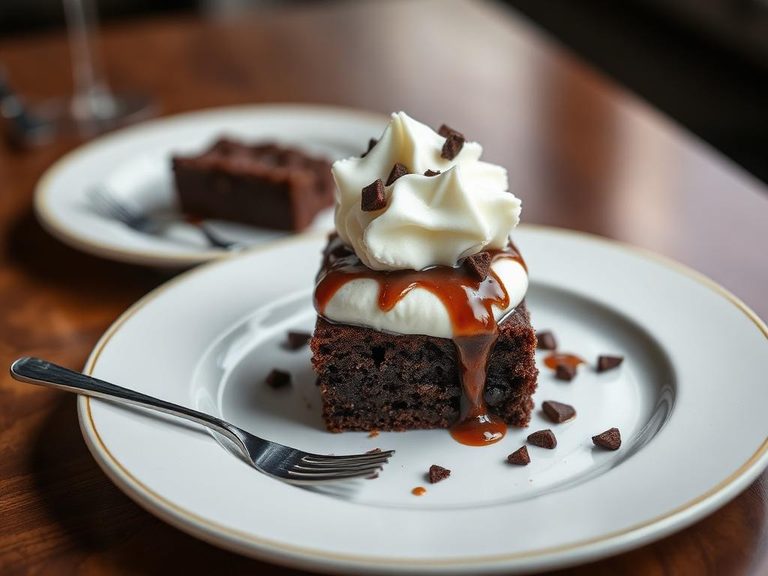
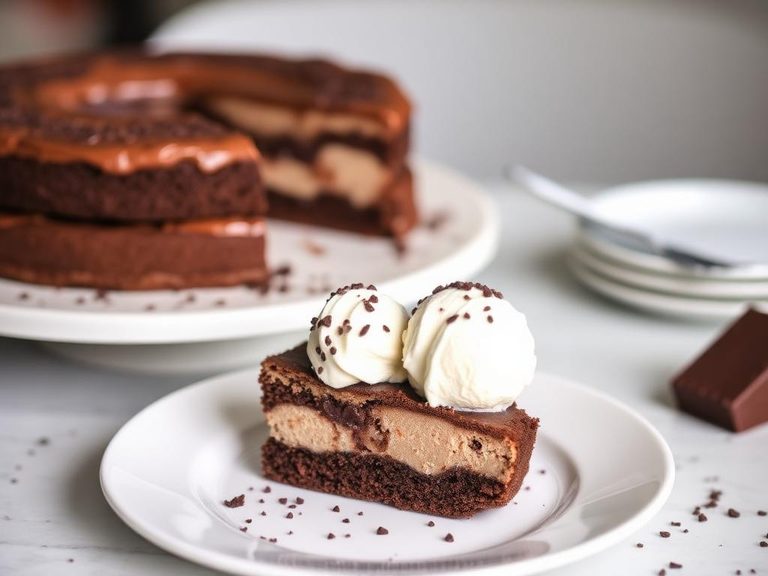
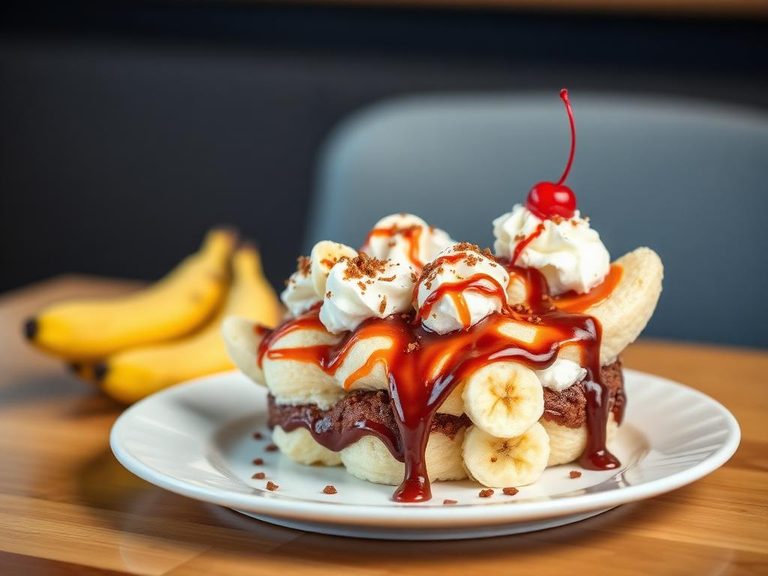
🌍 Where it's eaten
💡 Did you know?
Breyers was originally founded in 1866 by an Italian immigrant who began selling hand-cranked ice cream from his Philadelphia storefront.
Full nutrition (USDA data · scales with serving)
| Water | 63.2 g |
| Energy | 136 kcal |
| Energy | 568 kj |
| Protein | 3.9 g |
| Total lipid (fat) | 2.2 g |
| Ash | 0.56 g |
| Carbohydrate, by difference | 30.2 g |
| Fiber, total dietary | 5.8 g |
| Total Sugars | 20.3 g |
| Calcium, Ca | 126 mg |
| Iron, Fe | 0.84 mg |
| Sodium, Na | 75.0 mg |
| Vitamin C, total ascorbic acid | 0.70 mg |
| Vitamin A, IU | 255 iu |
Fat & fatty acid profile (per 100g)
| Fatty acids, total saturated | 1.4 g |
| Cholesterol | 7.0 mg |
Amino acid profile (per 100g)
Estimated from Ice creams, vanilla, rich — USDA does not publish this profile for Ice creams.
| Tryptophan | 0.04 g |
| Threonine | 0.14 g |
| Isoleucine | 0.18 g |
| Leucine | 0.30 g |
| Lysine | 0.25 g |
| Methionine | 0.08 g |
| Cystine | 0.03 g |
| Phenylalanine | 0.15 g |
| Tyrosine | 0.14 g |
| Valine | 0.20 g |
| Arginine | 0.14 g |
| Histidine | 0.08 g |
| Alanine | 0.14 g |
| Glutamic acid | 0.65 g |
| Glycine | 0.15 g |
| Proline | 0.34 g |
| Serine | 0.17 g |
FAQ
How does the fat content compare to regular chocolate ice cream?
At 2.17g of fat per 100g, it contains roughly 75-85% less fat than many premium or standard chocolate ice creams, which often have 10-20g of fat per 100g.
Is it suitable for a low-carb diet?
No, with over 30g of carbohydrates (including 20g of sugar) per 100g, it is not considered low-carb.
What is the source of the fiber?
The fiber likely comes from ingredients like polydextrose or inulin, which are common sugar and fat replacers in reduced-calorie frozen desserts.
Nutrient density (calculated · NRF9.3)
Nutrient Rich Foods index: beneficial nutrients (protein, fiber, vitamins, minerals) minus saturated fat, added sugar & sodium, per 100 kcal.
NRF9.3 index — Fulgoni, Keast & Drewnowski, 2009. Computed from USDA nutrients.
Weight-loss friendliness (composite index)
Energy density 1.36 kcal/g · 11% calories from protein · 5.8 g fiber · 20.3 g sugar per 100 g.
Composite of energy density (Rolls et al., 1999), protein & fiber satiety, minus sugar. A calculated heuristic — ranks satiety-per-calorie, not a clinical measure.