

Eppaw, raw
Whole food · Vegetables and Vegetable Products

Photo: Wikipedia
Eppaw is a starchy, underground tuber native to West Africa, prized for its dense, slightly waxy texture and mild, earthy flavor reminiscent of a potato-cassava hybrid. When raw, it has a crisp, crunchy bite and a neutral taste that readily absorbs surrounding flavors. Nutritionally, it's a solid source of energy-dense carbohydrates with a modest protein content.
Calorie split: 11% protein · 79% carbs · 10% fat
↓ Full nutrition💚 Why it's loved
People love Eppaw for its incredible versatility in the kitchen—it can be boiled, fried, pounded, or roasted, and its mild flavor acts as a perfect canvas for rich stews and spicy sauces. In many West African cultures, it's a beloved staple food that carries deep culinary tradition and comfort.
⚠️ Watch-outs & how to enjoy it better
As a high-carb, low-fiber food, it can cause rapid blood-sugar spikes if eaten alone in large portions, which is a consideration for those managing diabetes. To counteract this, pair it with a source of protein (like beans or fish) or healthy fat (like palm oil or avocado) to slow digestion, and practice portion control.
Key benefits
- Provides quick, sustained energy from complex carbohydrates
- Contains modest plant-based protein for muscle maintenance
- Naturally low in fat and cholesterol-free
- A good source of essential minerals like potassium and magnesium
- Gluten-free, making it suitable for celiac or gluten-sensitive diets
🍽️ Popular dishes
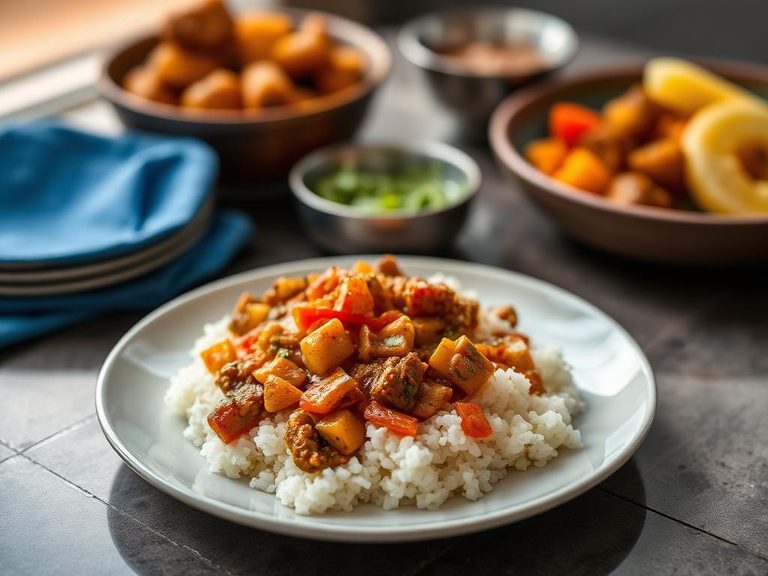
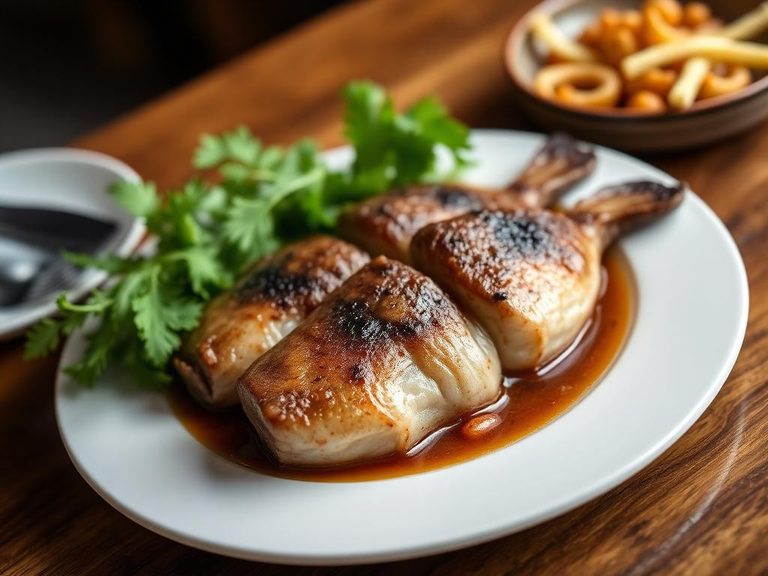
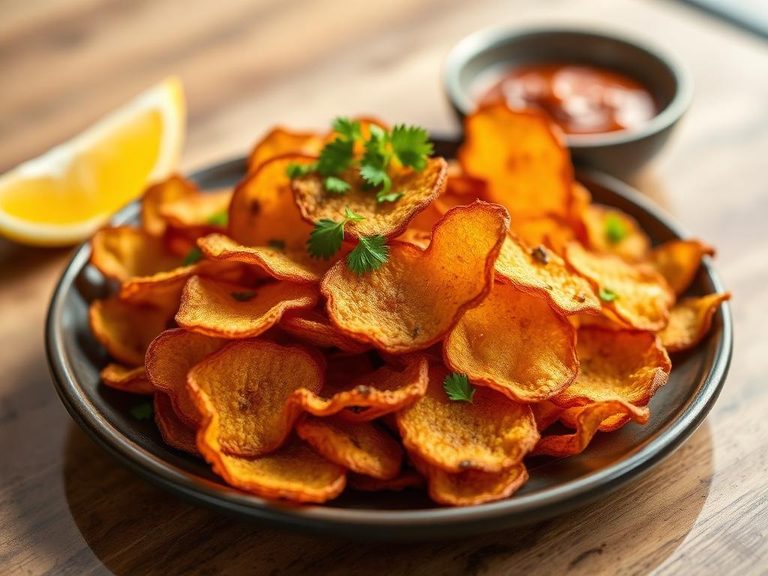
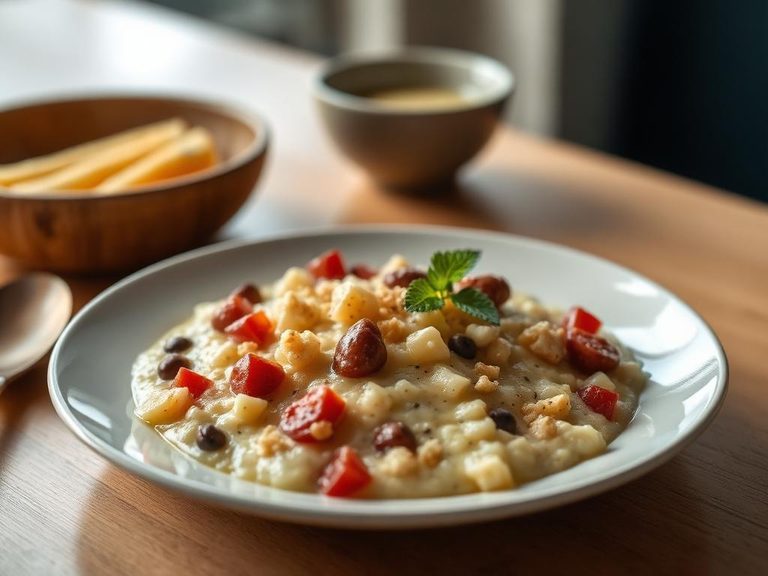
🌍 Where it's eaten
💡 Did you know?
The name 'Eppaw' is often used interchangeably with 'African Yam' or 'White Yam' in some regions, but it specifically refers to the species *Dioscorea cayenensis*, distinct from the sweeter yellow yam.
Full nutrition (USDA data · scales with serving)
| Water | 60.0 g |
| Energy | 150 kcal |
| Energy | 628 kj |
| Protein | 4.6 g |
| Total lipid (fat) | 1.8 g |
| Ash | 1.9 g |
| Carbohydrate, by difference | 31.7 g |
| Calcium, Ca | 110 mg |
| Iron, Fe | 1.1 mg |
| Magnesium, Mg | 32.0 mg |
| Phosphorus, P | 165 mg |
| Potassium, K | 340 mg |
| Sodium, Na | 12.0 mg |
| Zinc, Zn | 1.1 mg |
| Copper, Cu | 0.23 mg |
| Manganese, Mn | 1.1 mg |
| Selenium, Se | 0.90 ug |
| Vitamin C, total ascorbic acid | 13.0 mg |
| Thiamin | 0.11 mg |
| Riboflavin | 0.12 mg |
| Niacin | 0.30 mg |
| Pantothenic acid | 1.2 mg |
| Vitamin B-6 | 0.18 mg |
| Folate, total | 24.0 ug |
| Folic acid | 0.00 ug |
| Folate, food | 24.0 ug |
| Folate, DFE | 24.0 ug |
| Vitamin B-12 | 0.00 ug |
| Vitamin A, RAE | 0.00 ug |
| Retinol | 0.00 ug |
| Vitamin A, IU | 0.00 iu |
| Vitamin D (D2 + D3), International Units | 0.00 iu |
| Vitamin D (D2 + D3) | 0.00 ug |
Fat & fatty acid profile (per 100g)
| Fatty acids, total trans | 0.00 g |
| Cholesterol | 0.00 mg |
FAQ
How is Eppaw different from a potato?
Eppaw is a true tuber (yam family) with a denser, waxy texture and more neutral flavor compared to the fluffy, starchy potato. It also has a higher carbohydrate content per gram.
Can I eat Eppaw raw?
While the prompt specifies 'raw,' Eppaw is almost always cooked before eating. Raw Eppaw can be tough and may contain anti-nutritional factors that cooking neutralizes.
Is Eppaw good for weight loss?
It's energy-dense (150 kcal/100g) and low in fiber, so it's not ideal for low-calorie diets. However, its high satiety from starch can help with portion control if balanced with protein and vegetables.
Nutrient density (calculated · NRF9.3)
Nutrient Rich Foods index: beneficial nutrients (protein, fiber, vitamins, minerals) minus saturated fat, added sugar & sodium, per 100 kcal.
NRF9.3 index — Fulgoni, Keast & Drewnowski, 2009. Computed from USDA nutrients.
Weight-loss friendliness (composite index)
Energy density 1.50 kcal/g · 12% calories from protein · 0.0 g fiber · 0.0 g sugar per 100 g.
Composite of energy density (Rolls et al., 1999), protein & fiber satiety, minus sugar. A calculated heuristic — ranks satiety-per-calorie, not a clinical measure.
Dietary load (calculated from USDA values)
Potential renal acid load. Positive = acid-forming, negative = alkaline-forming.
Sodium-to-potassium ratio: 0.04 (lower is better — aim for ≤ 1)
Sodium:potassium per WHO potassium guidance. Computed from USDA nutrients.