

Candies, MARS SNACKFOOD US, M&M's MINIs Milk Chocolate Candies
Whole food · Sweets
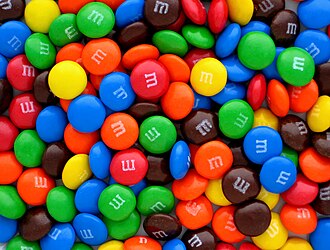
Photo: Wikipedia
M&M's MINIs are tiny, button-shaped milk chocolate candies with a crisp, colorful sugar shell that provides a satisfying snap before giving way to smooth, creamy chocolate. Each piece delivers a potent hit of sweet, cocoa-rich flavor in a bite-sized format. Nutritionally, they are a high-energy, sugar-dense treat, providing over 500 calories and over 60g of sugar per 100g.
Calorie split: 4% protein · 54% carbs · 42% fat
↓ Full nutrition💚 Why it's loved
People love M&M's MINIs for their iconic, playful combination of crunchy shell and smooth chocolate, making them a fun, addictive snack. Their small size makes them perfect for sharing, topping desserts, or mindless munching, embedding them in pop culture as a go-to candy.
⚠️ Watch-outs & how to enjoy it better
The high sugar and fat content can lead to blood-sugar spikes and is not suitable for those monitoring calorie intake. They contain common allergens like milk and soy, and may be produced in facilities handling peanuts. To counteract, practice strict portion control (e.g., a single fun-size packet), pair with a protein source like nuts to slow sugar absorption, or use them as an occasional ingredient rather than a standalone snack.
Key benefits
- Quick source of energy from carbohydrates and fat
- Contains small amounts of minerals like iron and magnesium from cocoa
- Provides a momentary mood boost and sensory pleasure
- Convenient, portable, and portion-controlled packaging available
- Shelf-stable with a long shelf life
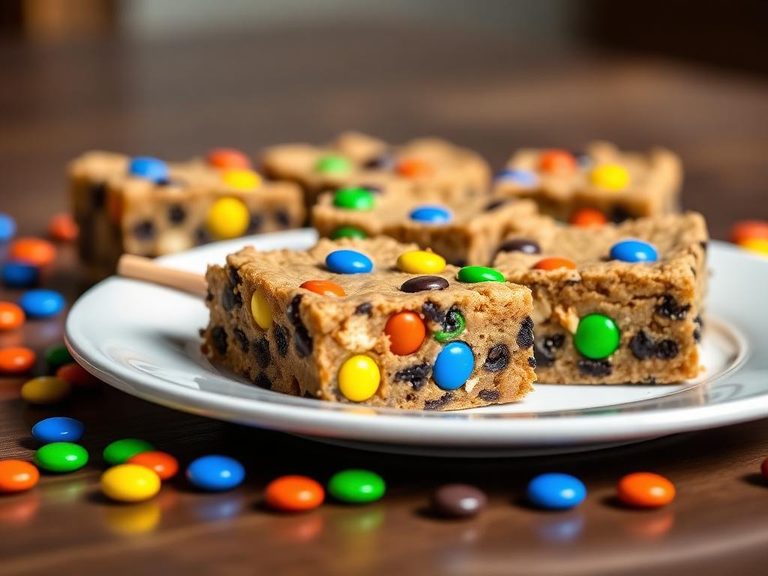
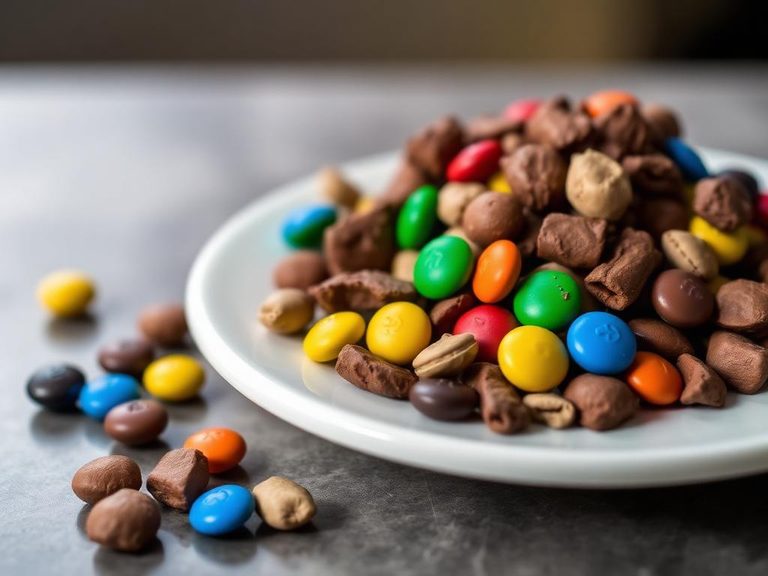
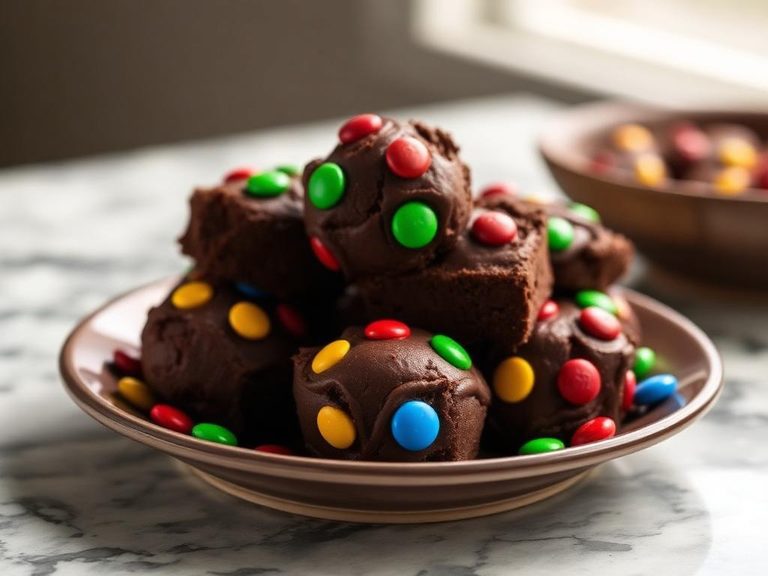
🍽️ Popular dishes


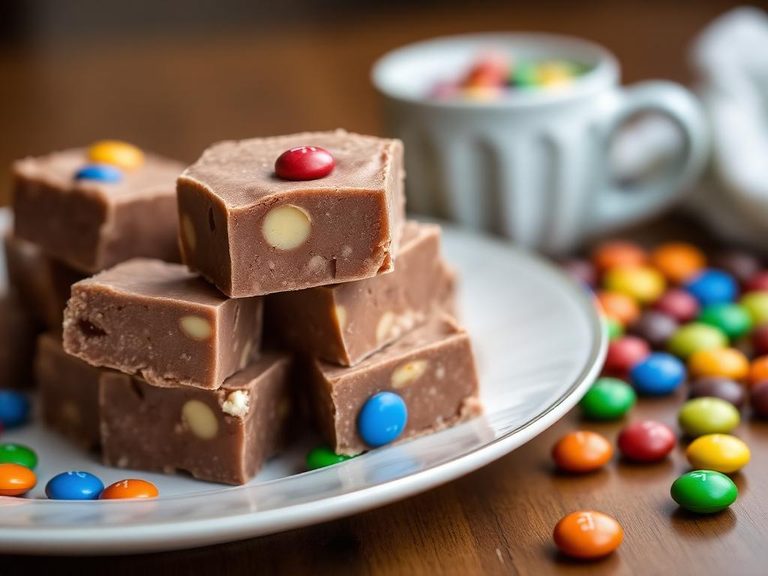
🌍 Where it's eaten
💡 Did you know?
The 'M' printed on each candy is food-grade ink, and the original red M&M's were temporarily replaced with a temporary orange color in the U.S. due to health concerns about Red Dye No. 2, though they were later reinstated.
Full nutrition (USDA data · scales with serving)
| Water | 1.2 g |
| Energy | 502 kcal |
| Energy | 2102 kj |
| Protein | 4.8 g |
| Total lipid (fat) | 23.4 g |
| Ash | 1.4 g |
| Carbohydrate, by difference | 68.4 g |
| Fiber, total dietary | 2.7 g |
| Total Sugars | 62.5 g |
| Calcium, Ca | 116 mg |
| Iron, Fe | 1.2 mg |
| Sodium, Na | 68.0 mg |
| Vitamin C, total ascorbic acid | 0.60 mg |
| Folic acid | 0.00 ug |
| Vitamin A, IU | 224 iu |
Fat & fatty acid profile (per 100g)
| Fatty acids, total saturated | 14.5 g |
| Fatty acids, total trans | 0.18 g |
| Cholesterol | 15.0 mg |
Amino acid profile (per 100g)
Estimated from Candies, honey-combed, with peanut butter — USDA does not publish this profile for Candies.
| Tryptophan | 0.09 g |
| Threonine | 0.21 g |
| Isoleucine | 0.24 g |
| Leucine | 0.61 g |
| Lysine | 0.27 g |
| Methionine | 0.10 g |
| Cystine | 0.09 g |
| Phenylalanine | 0.47 g |
| Tyrosine | 0.33 g |
| Valine | 0.31 g |
| Arginine | 1.1 g |
| Histidine | 0.22 g |
| Alanine | 0.36 g |
| Aspartic acid | 1.2 g |
| Glutamic acid | 2.0 g |
| Glycine | 0.56 g |
| Proline | 0.55 g |
| Serine | 0.58 g |
FAQ
Are M&M's MINIs the same as regular M&M's?
No, MINIs are significantly smaller and have a higher chocolate-to-shell ratio, creating a slightly different texture and flavor intensity.
Do they contain peanuts?
Milk Chocolate M&M's MINIs do not contain peanuts as an ingredient, but they are often manufactured on shared equipment with peanut products, posing a cross-contamination risk.
How should I store them?
Store in a cool, dry place below 70°F (21°C) to prevent melting and preserve the crisp shell. Refrigeration can cause the chocolate to bloom.
Nutrient density (calculated · NRF9.3)
Nutrient Rich Foods index: beneficial nutrients (protein, fiber, vitamins, minerals) minus saturated fat, added sugar & sodium, per 100 kcal.
NRF9.3 index — Fulgoni, Keast & Drewnowski, 2009. Computed from USDA nutrients.
Weight-loss friendliness (composite index)
Energy density 5.02 kcal/g · 4% calories from protein · 2.7 g fiber · 62.5 g sugar per 100 g.
Composite of energy density (Rolls et al., 1999), protein & fiber satiety, minus sugar. A calculated heuristic — ranks satiety-per-calorie, not a clinical measure.