

Baking chocolate, MARS SNACKFOOD US, M&M's Milk Chocolate Mini Baking Bits
Whole food · Sweets

Photo: Wikipedia
These are tiny, candy-coated milk chocolate morsels designed for baking, offering a burst of sweet, creamy chocolate flavor with a satisfying crunch from the colorful shell. Nutritionally, they are a concentrated source of energy, primarily from carbohydrates and fats, with a significant sugar content that makes them a treat rather than a staple.
Calorie split: 4% protein · 54% carbs · 42% fat
↓ Full nutrition💚 Why it's loved
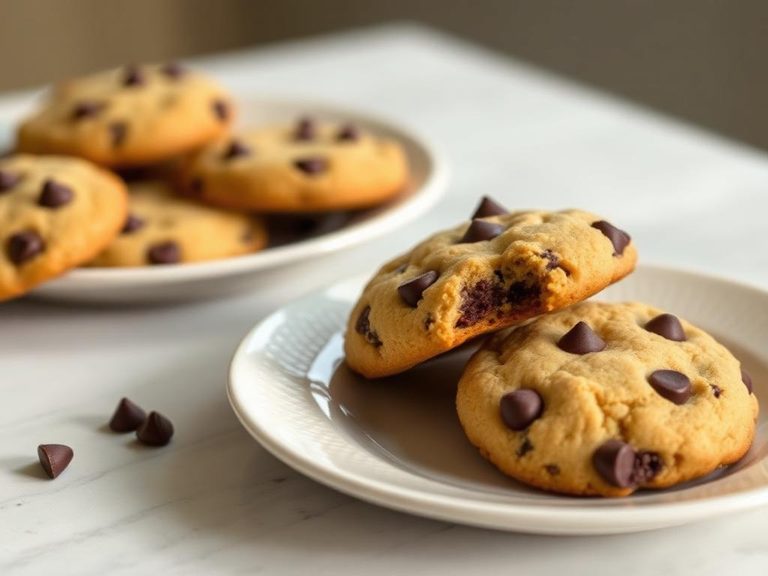
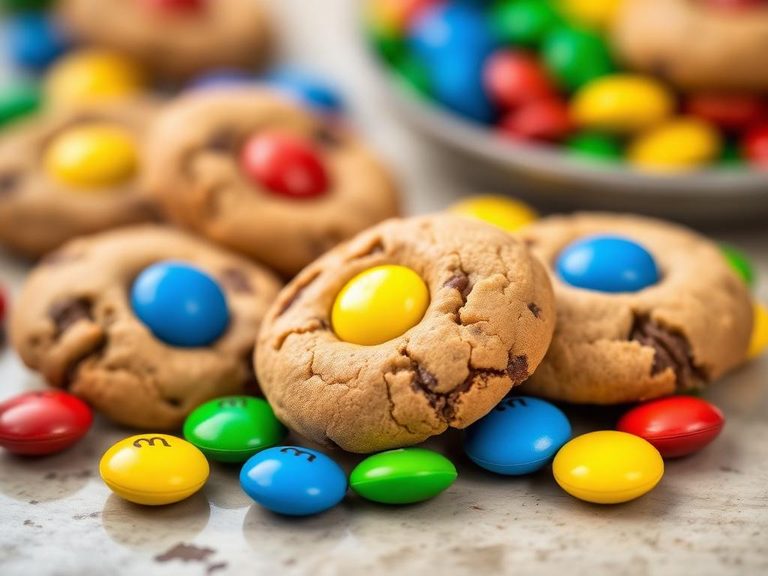
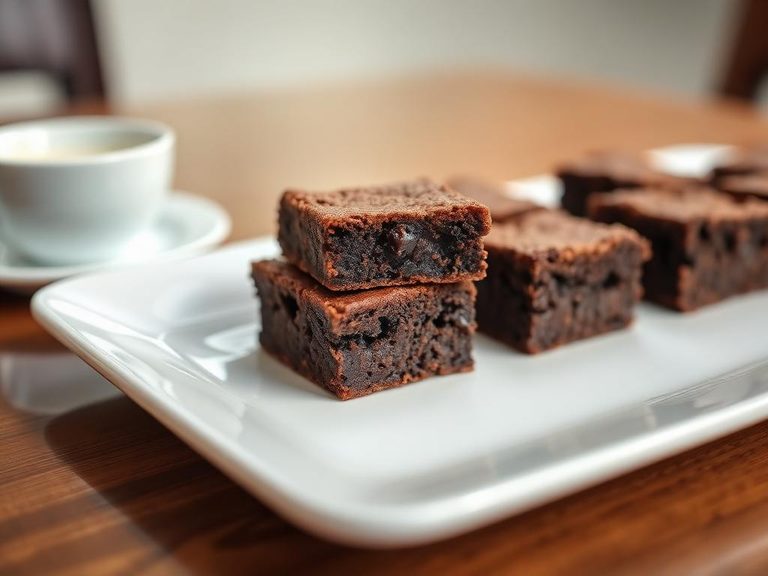
People adore them for the nostalgic, fun burst of sweet milk chocolate and the playful crunch of the candy shell, which elevates simple cookies and brownies. Their versatility makes them a go-to for adding a festive, colorful touch to everything from trail mix to pancake batter.
⚠️ Watch-outs & how to enjoy it better
The high sugar and fat content can contribute to blood sugar spikes and empty calories, making them unsuitable for low-sugar or diabetic diets. To counteract this, pair them with protein-rich foods like nuts or Greek yogurt, and practice strict portion control by measuring them out rather than eating from the bag.
Key benefits
- Provides quick energy from carbohydrates
- Contains small amounts of protein and dietary fiber
- Adds visual appeal and texture to baked goods
- Convenient pre-portioned format for recipes
🍽️ Popular dishes

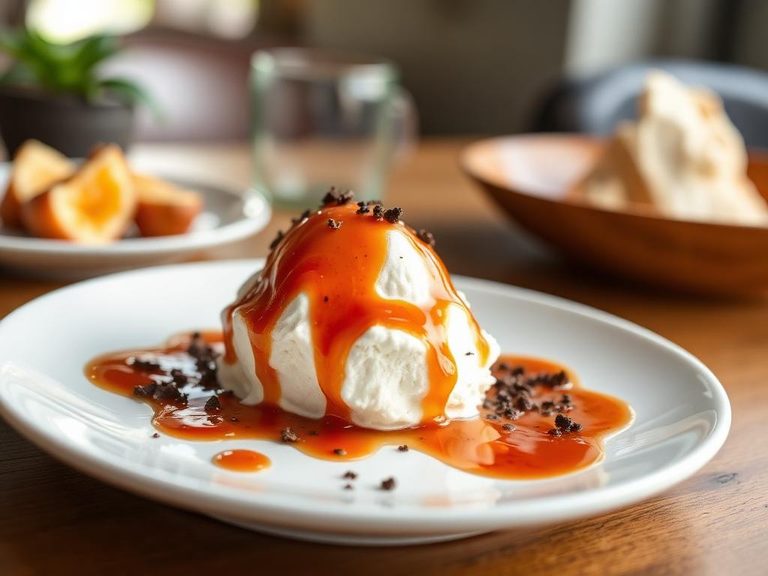
🌍 Where it's eaten
💡 Did you know?
The 'M' printed on each candy is made with edible, food-grade ink, and the colorful shells are created through a process called 'panning,' where layers of sugar are built up in a rotating drum.
Full nutrition (USDA data · scales with serving)
| Water | 1.5 g |
| Energy | 502 kcal |
| Energy | 2102 kj |
| Protein | 4.8 g |
| Total lipid (fat) | 23.4 g |
| Ash | 1.8 g |
| Carbohydrate, by difference | 68.4 g |
| Fiber, total dietary | 2.7 g |
| Total Sugars | 62.5 g |
| Calcium, Ca | 116 mg |
| Iron, Fe | 1.2 mg |
| Sodium, Na | 68.0 mg |
| Vitamin C, total ascorbic acid | 0.60 mg |
| Vitamin A, IU | 224 iu |
Fat & fatty acid profile (per 100g)
| Fatty acids, total saturated | 14.5 g |
| Fatty acids, total trans | 0.18 g |
| Cholesterol | 15.0 mg |
Amino acid profile (per 100g)
Estimated from Baking chocolate, unsweetened, liquid — USDA does not publish this profile for Baking chocolate.
| Tryptophan | 0.18 g |
| Threonine | 0.48 g |
| Isoleucine | 0.47 g |
| Leucine | 0.74 g |
| Lysine | 0.61 g |
| Methionine | 0.13 g |
| Cystine | 0.15 g |
| Phenylalanine | 0.58 g |
| Tyrosine | 0.46 g |
| Valine | 0.73 g |
| Arginine | 0.69 g |
| Histidine | 0.21 g |
| Alanine | 0.56 g |
| Aspartic acid | 1.2 g |
| Glutamic acid | 1.8 g |
| Glycine | 0.55 g |
| Proline | 0.52 g |
| Serine | 0.53 g |
FAQ
Can I use these instead of regular chocolate chips in recipes?
Yes, they can be used as a 1:1 substitute for standard chocolate chips in most cookie, brownie, or muffin recipes, though the candy shell may add a slightly different texture and extra color.
Why do they sometimes 'bloom' or get a white film when baked?
This is called 'sugar bloom' or 'fat bloom,' caused by moisture or heat affecting the sugar or cocoa butter. It's safe to eat but can be minimized by storing them in a cool, dry place and not overbaking.
Are they gluten-free?
While the main ingredients are typically gluten-free, always check the packaging for a certified gluten-free label, as cross-contamination can occur during manufacturing.
Nutrient density (calculated · NRF9.3)
Nutrient Rich Foods index: beneficial nutrients (protein, fiber, vitamins, minerals) minus saturated fat, added sugar & sodium, per 100 kcal.
NRF9.3 index — Fulgoni, Keast & Drewnowski, 2009. Computed from USDA nutrients.
Weight-loss friendliness (composite index)
Energy density 5.02 kcal/g · 4% calories from protein · 2.7 g fiber · 62.5 g sugar per 100 g.
Composite of energy density (Rolls et al., 1999), protein & fiber satiety, minus sugar. A calculated heuristic — ranks satiety-per-calorie, not a clinical measure.