

Arrowhead, cooked, boiled, drained, with salt
Whole food · Vegetables and Vegetable Products

Photo: Wikipedia
Arrowhead, or 'corm' of the Sagittaria plant, is a starchy, aquatic vegetable prized for its crisp, water chestnut-like texture when raw and a satisfyingly dense, slightly sweet bite when cooked. Boiled and salted, it offers a mild, earthy flavor that absorbs seasonings well. Nutritionally, it's a low-fat, moderate-carb source of energy, providing a solid boost of potassium and some plant-based protein.
Calorie split: 22% protein · 77% carbs · 1% fat
↓ Full nutrition💚 Why it's loved
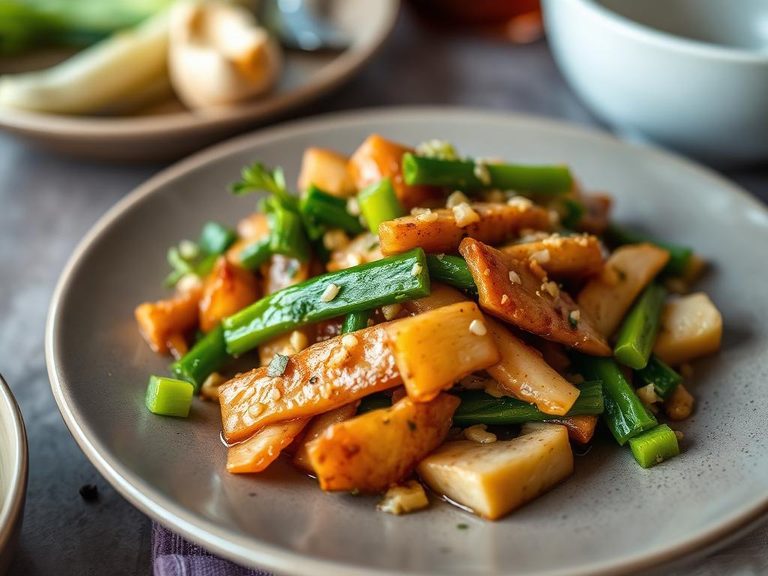
People love arrowhead for its unique, crisp texture that holds up beautifully in stir-fries and soups, adding a delightful crunch. It's a beloved ingredient in many Asian cuisines, often associated with festive dishes and comforting home cooking.
⚠️ Watch-outs & how to enjoy it better
Its high starch content can cause blood sugar spikes if eaten in large portions alone, and the added salt in this preparation increases sodium intake. To counteract this, pair it with non-starchy vegetables and a lean protein source like chicken or tofu, and practice portion control.
Key benefits
- Good source of potassium for fluid balance and nerve function.
- Provides plant-based protein for muscle maintenance.
- Low in fat and cholesterol-free.
- Contains resistant starch which may support gut health.
- Gluten-free and suitable for celiac diets.
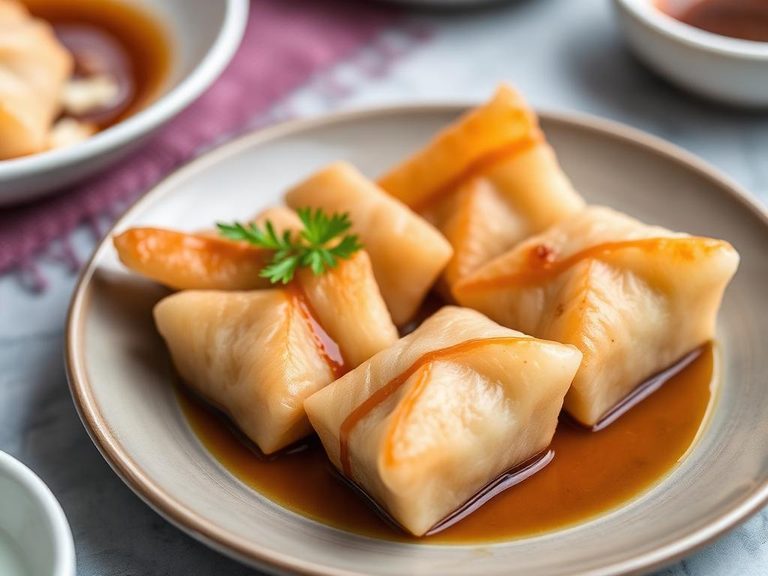
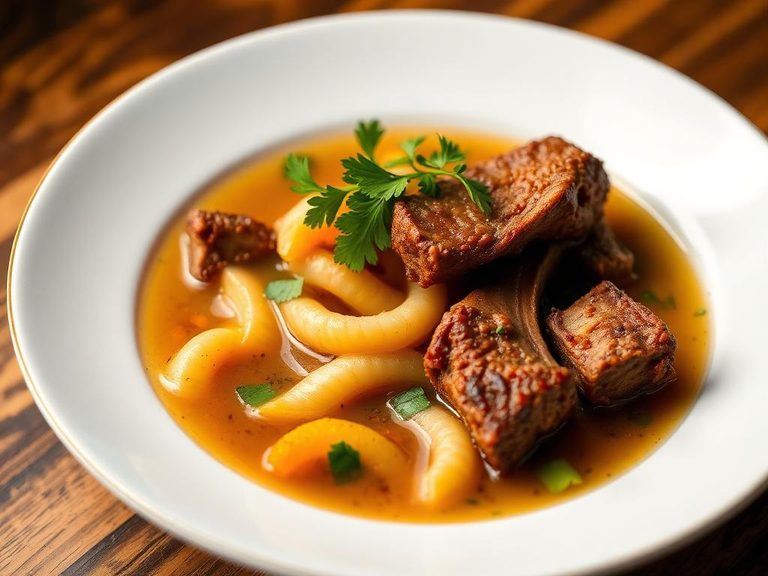
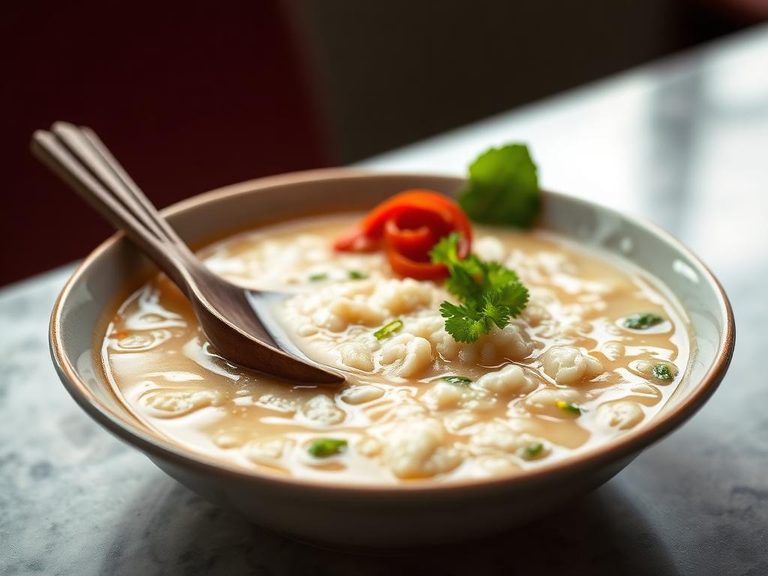
🍽️ Popular dishes

🌍 Where it's eaten
💡 Did you know?
Despite its name and similar use, arrowhead is not related to water chestnuts; it's the starchy corm of a flowering aquatic plant in the water plantain family.
Full nutrition (USDA data · scales with serving)
| Water | 77.1 g |
| Energy | 78.0 kcal |
| Energy | 326 kj |
| Protein | 4.5 g |
| Total lipid (fat) | 0.10 g |
| Ash | 2.2 g |
| Carbohydrate, by difference | 16.1 g |
| Calcium, Ca | 7.0 mg |
| Iron, Fe | 1.2 mg |
| Magnesium, Mg | 49.0 mg |
| Phosphorus, P | 197 mg |
| Potassium, K | 881 mg |
| Sodium, Na | 254 mg |
| Zinc, Zn | 0.22 mg |
| Copper, Cu | 0.14 mg |
| Manganese, Mn | 0.28 mg |
| Selenium, Se | 0.60 ug |
| Vitamin C, total ascorbic acid | 0.30 mg |
| Thiamin | 0.14 mg |
| Riboflavin | 0.06 mg |
| Niacin | 1.2 mg |
| Pantothenic acid | 0.45 mg |
| Vitamin B-6 | 0.21 mg |
| Folate, total | 9.0 ug |
| Folic acid | 0.00 ug |
| Folate, food | 9.0 ug |
| Folate, DFE | 9.0 ug |
| Vitamin B-12 | 0.00 ug |
| Vitamin A, RAE | 0.00 ug |
| Retinol | 0.00 ug |
| Vitamin A, IU | 0.00 iu |
| Vitamin D (D2 + D3), International Units | 0.00 iu |
| Vitamin D (D2 + D3) | 0.00 ug |
Fat & fatty acid profile (per 100g)
| Fatty acids, total trans | 0.00 g |
| Cholesterol | 0.00 mg |
FAQ
How is arrowhead different from water chestnut?
While both are aquatic vegetables with a crisp texture, they come from different plant families. Arrowhead is the starchy corm of the Sagittaria plant, often used in cooked dishes, while water chestnut is the tuber of Eleocharis dulcis, commonly eaten raw or lightly cooked for maximum crunch.
Is arrowhead a good option for weight loss?
It can be part of a balanced diet. At 78 kcal per 100g cooked, it's relatively low in calories and fat. Its fiber and protein content can promote satiety, but mindful portioning is key due to its carbohydrate content.
Why does my boiled arrowhead turn slightly purple?
This is a natural reaction. Arrowhead contains phenolic compounds that can oxidize and turn a harmless blue, purple, or grey color when cooked, especially in alkaline water. Adding a splash of vinegar or lemon juice to the cooking water can help prevent this.
Nutrient density (calculated · NRF9.3)
Nutrient Rich Foods index: beneficial nutrients (protein, fiber, vitamins, minerals) minus saturated fat, added sugar & sodium, per 100 kcal.
NRF9.3 index — Fulgoni, Keast & Drewnowski, 2009. Computed from USDA nutrients.
Weight-loss friendliness (composite index)
Energy density 0.78 kcal/g · 23% calories from protein · 0.0 g fiber · 0.0 g sugar per 100 g.
Composite of energy density (Rolls et al., 1999), protein & fiber satiety, minus sugar. A calculated heuristic — ranks satiety-per-calorie, not a clinical measure.
Dietary load (calculated from USDA values)
Potential renal acid load. Positive = acid-forming, negative = alkaline-forming.
Sodium-to-potassium ratio: 0.29 (lower is better — aim for ≤ 1)
Sodium:potassium per WHO potassium guidance. Computed from USDA nutrients.