

Ice creams, BREYERS, All Natural Light French Vanilla
Whole food · Sweets

Photo: Wikipedia
This is a light, French vanilla ice cream from Breyers, known for its smooth, creamy texture and classic, sweet vanilla bean flavor. It offers a lighter alternative to traditional ice cream, with a lower calorie count per serving. The nutrition profile is characterized by moderate sugar and a modest amount of protein and fat, making it a treat that balances indulgence with a lighter approach.
Calorie split: 11% protein · 60% carbs · 29% fat
↓ Full nutrition💚 Why it's loved
People love it for its classic, comforting French vanilla flavor and smooth, creamy texture that feels indulgent without being overly heavy. Its versatility makes it a perfect base for sundaes, floats, or simply enjoyed on its own, fitting into a wide range of dessert traditions.
⚠️ Watch-outs & how to enjoy it better
The primary downside is its sugar content (21.11g per 100g), which can lead to blood sugar spikes, especially for those with insulin sensitivity or diabetes. To mitigate this, pair it with a source of protein or healthy fat (like nuts or a small piece of dark chocolate) to slow sugar absorption, and practice strict portion control by sticking to a single, measured serving.
Key benefits
- Lower in calories than many full-fat ice creams.
- Provides a source of calcium and some protein.
- Contains no artificial colors or flavors (as per 'All Natural' claim).
- Offers a classic, versatile flavor for various desserts.
- Can be a portion-controlled treat for calorie-conscious individuals.
🍽️ Popular dishes
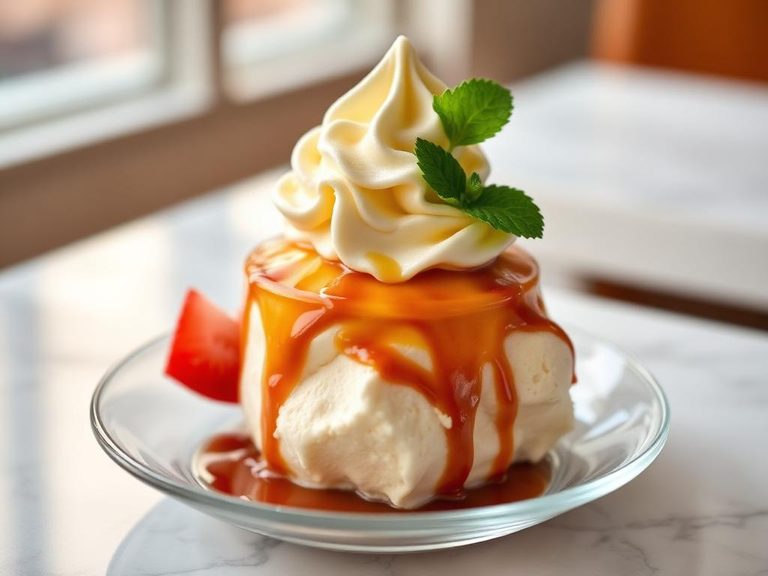

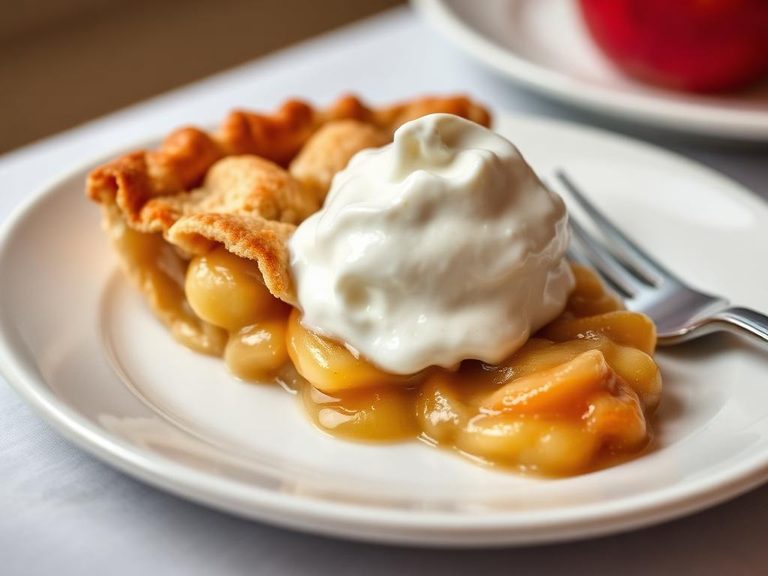


🌍 Where it's eaten
💡 Did you know?
Breyers was originally founded in 1866 by a German immigrant, and their original 'All Natural' claim dates back over a century, emphasizing a commitment to simple ingredients long before it became a modern marketing trend.
Full nutrition (USDA data · scales with serving)
| Water | 62.7 g |
| Energy | 173 kcal |
| Energy | 723 kj |
| Protein | 4.8 g |
| Total lipid (fat) | 5.6 g |
| Ash | 0.88 g |
| Carbohydrate, by difference | 26.0 g |
| Fiber, total dietary | 0.20 g |
| Total Sugars | 21.1 g |
| Calcium, Ca | 155 mg |
| Iron, Fe | 0.21 mg |
| Sodium, Na | 73.0 mg |
| Vitamin C, total ascorbic acid | 0.90 mg |
| Vitamin A, IU | 489 iu |
Fat & fatty acid profile (per 100g)
| Fatty acids, total saturated | 3.2 g |
| Cholesterol | 53.0 mg |
Amino acid profile (per 100g)
Estimated from Ice creams, vanilla, rich — USDA does not publish this profile for Ice creams.
| Tryptophan | 0.04 g |
| Threonine | 0.14 g |
| Isoleucine | 0.18 g |
| Leucine | 0.30 g |
| Lysine | 0.25 g |
| Methionine | 0.08 g |
| Cystine | 0.03 g |
| Phenylalanine | 0.15 g |
| Tyrosine | 0.14 g |
| Valine | 0.20 g |
| Arginine | 0.14 g |
| Histidine | 0.08 g |
| Alanine | 0.14 g |
| Glutamic acid | 0.65 g |
| Glycine | 0.15 g |
| Proline | 0.34 g |
| Serine | 0.17 g |
FAQ
Is Breyers All Natural Light French Vanilla ice cream gluten-free?
While it doesn't contain gluten ingredients, it's not certified gluten-free and may be processed in facilities with gluten. Always check the label for allergen warnings.
How does the 'Light' version differ nutritionally from regular Breyers French Vanilla?
The Light version typically has fewer calories and less fat per serving compared to the regular version, though sugar content may be similar or slightly reduced.
Can this ice cream be used in baking recipes that call for vanilla ice cream?
Yes, it can be used in recipes like ice cream cakes or as a base for frozen desserts, but its lighter texture may result in a slightly different consistency than full-fat ice cream.
Nutrient density (calculated · NRF9.3)
Nutrient Rich Foods index: beneficial nutrients (protein, fiber, vitamins, minerals) minus saturated fat, added sugar & sodium, per 100 kcal.
NRF9.3 index — Fulgoni, Keast & Drewnowski, 2009. Computed from USDA nutrients.
Weight-loss friendliness (composite index)
Energy density 1.73 kcal/g · 11% calories from protein · 0.2 g fiber · 21.1 g sugar per 100 g.
Composite of energy density (Rolls et al., 1999), protein & fiber satiety, minus sugar. A calculated heuristic — ranks satiety-per-calorie, not a clinical measure.