

Beverages, water, tap, well
Whole food · Beverages
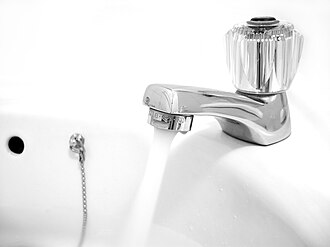
Photo: Wikipedia
Tap water is the clear, odorless liquid delivered to homes via municipal systems, essential for hydration and life. It has a neutral taste and texture, varying slightly by mineral content, and provides zero calories, protein, or fat. Its primary nutritional role is delivering hydration and essential minerals like calcium and magnesium, depending on the source.
💚 Why it's loved
People love tap water for its universal availability, neutral taste that quenches thirst perfectly, and its role as the foundation for countless beverages and cooked dishes.
⚠️ Watch-outs & how to enjoy it better
Some dislike potential chlorine taste, mineral hardness, or concerns about contaminants like lead from old pipes. To counteract, use a carbon filter pitcher or faucet attachment to improve taste, and run cold water for 30 seconds before drinking if pipes are old.
Key benefits
- Zero calories, supports healthy hydration
- Often contains fluoride for dental health
- Source of essential minerals like calcium and magnesium
- Cost-effective and widely accessible
- Environmentally preferable to bottled water when safe
🍽️ Popular dishes
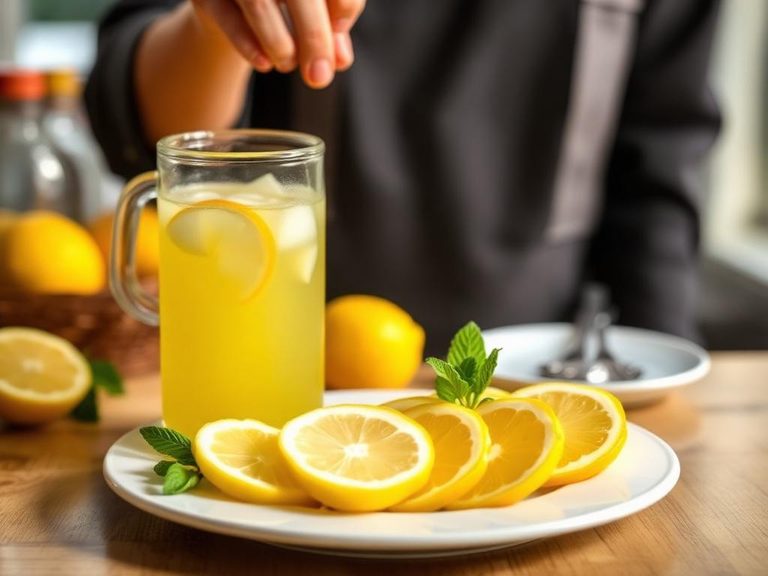
🌍 Where it's eaten
💡 Did you know?
The lead pipes in some older cities, like parts of Rome and ancient plumbing systems, are why the word 'plumbing' comes from the Latin 'plumbum' for lead.
Full nutrition (USDA data · scales with serving)
| Water | 99.9 g |
| Energy | 0.00 kcal |
| Energy | 0.00 kj |
| Protein | 0.00 g |
| Total lipid (fat) | 0.00 g |
| Ash | 0.10 g |
| Carbohydrate, by difference | 0.00 g |
| Fiber, total dietary | 0.00 g |
| Calcium, Ca | 3.0 mg |
| Iron, Fe | 0.00 mg |
| Magnesium, Mg | 1.0 mg |
| Phosphorus, P | 0.00 mg |
| Potassium, K | 0.00 mg |
| Sodium, Na | 5.0 mg |
| Zinc, Zn | 0.01 mg |
| Copper, Cu | 0.02 mg |
| Manganese, Mn | 0.00 mg |
| Fluoride, F | 25.8 ug |
Fat & fatty acid profile (per 100g)
| Fatty acids, total trans | 0.00 g |
Amino acid profile (per 100g)
Estimated from Beverages, carbonated, tonic water — USDA does not publish this profile for Beverages.
| Tryptophan | 0.00 g |
| Threonine | 0.00 g |
| Isoleucine | 0.00 g |
| Leucine | 0.00 g |
| Lysine | 0.00 g |
| Methionine | 0.00 g |
| Cystine | 0.00 g |
| Phenylalanine | 0.00 g |
| Tyrosine | 0.00 g |
| Valine | 0.00 g |
| Arginine | 0.00 g |
| Histidine | 0.00 g |
| Alanine | 0.00 g |
| Aspartic acid | 0.00 g |
| Glutamic acid | 0.00 g |
| Glycine | 0.00 g |
| Proline | 0.00 g |
| Serine | 0.00 g |
FAQ
Is tap water safe to drink?
In most developed countries, yes, it meets strict safety standards. Check your local water quality report for specifics.
Why does my tap water taste different from bottled water?
Tap water often contains trace minerals and chlorine for disinfection, while bottled water may be purified or spring-sourced, altering taste.
Can tap water be used for all cooking?
Yes, it's standard for boiling, steaming, and making stocks. For delicate flavors like tea, filtered water can provide a cleaner taste.
Dietary load (calculated from USDA values)
Potential renal acid load. Positive = acid-forming, negative = alkaline-forming.
Sodium:potassium per WHO potassium guidance. Computed from USDA nutrients.