

Apple juice, with added vitamin C, from concentrate, shelf stable
Whole food · Fruits and Fruit Juices
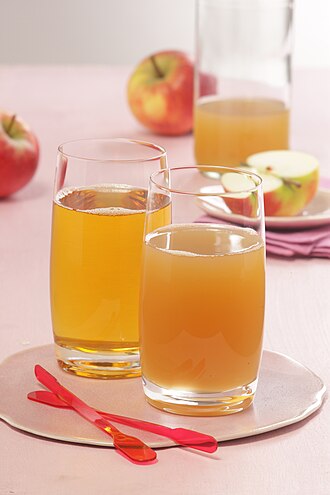
Photo: Wikipedia
A clear, golden-hued beverage made from reconstituted apple concentrate, fortified with vitamin C for added nutrition and stability. It delivers a straightforward, sweet-tart apple flavor with a smooth, non-pulpy texture. Its primary nutritional contribution is quick-digesting carbohydrates, with minimal protein or fat.
Calorie split: 1% protein · 94% carbs · 5% fat
↓ Full nutrition💚 Why it's loved
People love it for its nostalgic, uncomplicated sweetness and refreshing quality, especially chilled. It's a versatile staple for breakfast, a quick snack, or as a base for cocktails and mocktails.
⚠️ Watch-outs & how to enjoy it better
The concentrated sugars can cause rapid blood-sugar spikes, making it a less ideal choice for individuals managing diabetes or seeking sustained energy. To mitigate this, pair it with a source of protein or healthy fat (like nuts or yogurt) to slow absorption, or opt for a smaller, 4-ounce portion. Also, be mindful that it lacks the fiber of whole fruit.
Key benefits
- Provides a quick source of energy from natural fruit carbohydrates.
- Fortified with vitamin C, an antioxidant that supports immune function.
- Convenient, shelf-stable hydration with a familiar, palatable taste.
- Offers a low-fat, cholesterol-free beverage option.
🍽️ Popular dishes
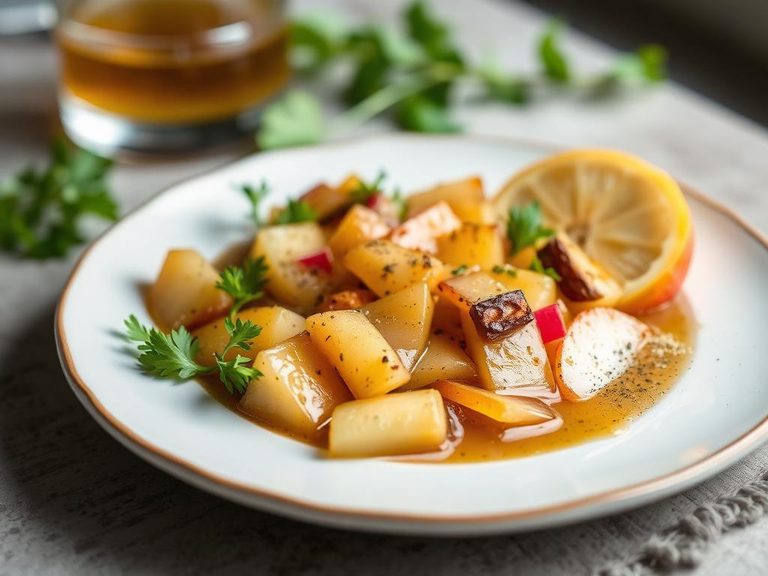

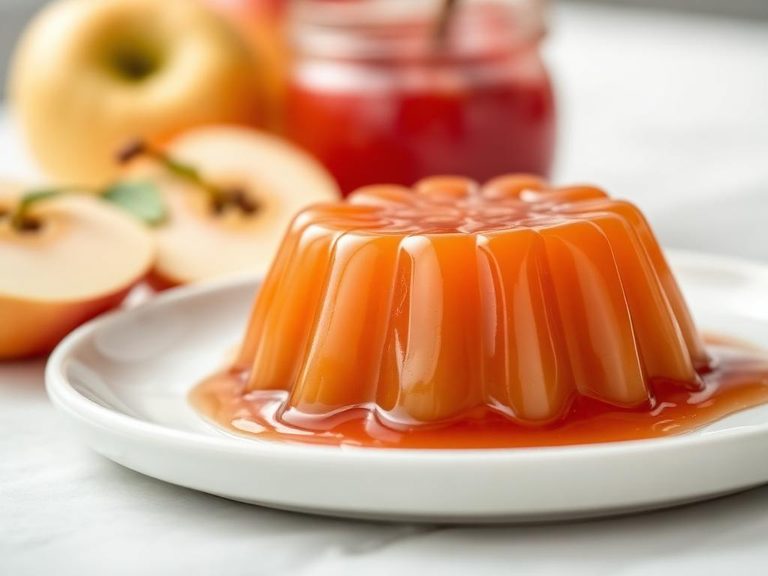
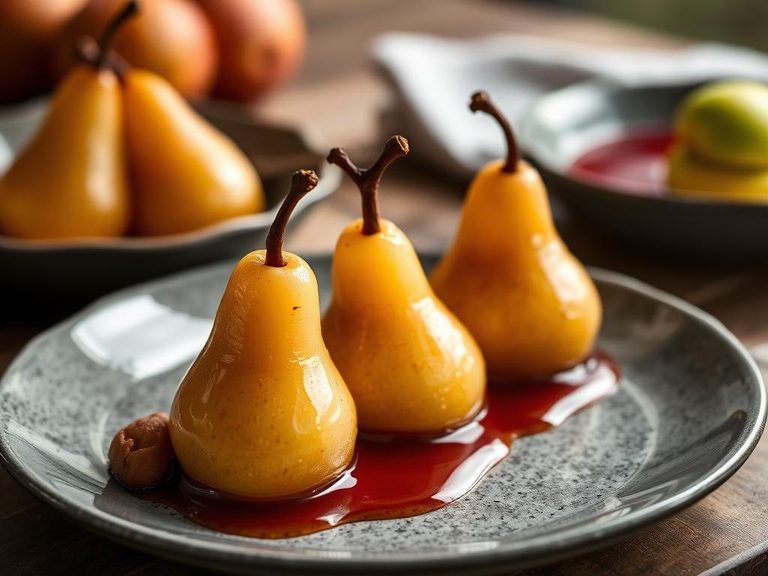

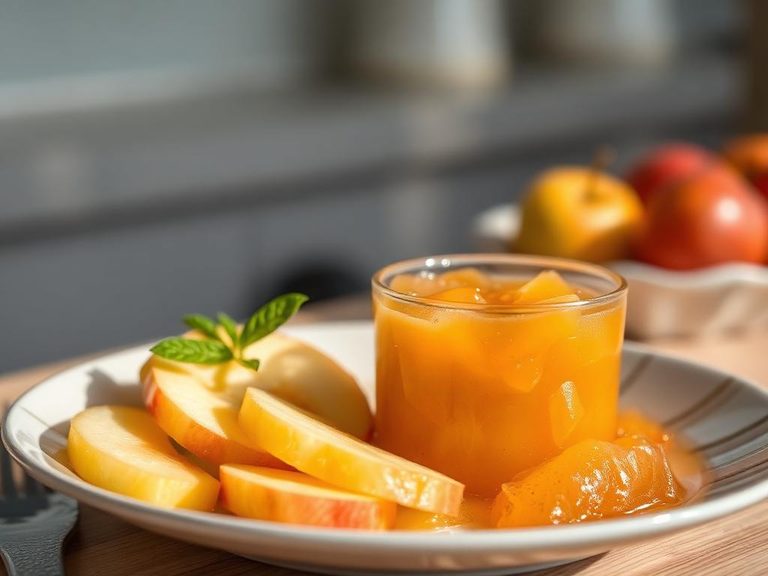
🌍 Where it's eaten
💡 Did you know?
The 'from concentrate' process involves evaporating the water from fresh juice for efficient shipping, then adding water back at the bottling plant—meaning the juice you drink may have traveled thousands of miles as a dense syrup.
Full nutrition (USDA data · scales with serving)
| Water | 88.1 g |
| Energy (Atwater General Factors) | 48.4 kcal |
| Energy (Atwater Specific Factors) | 47.2 kcal |
| Nitrogen | 0.01 g |
| Protein | 0.09 g |
| Total lipid (fat) | 0.29 g |
| Ash | 0.12 g |
| Carbohydrate, by difference | 11.4 g |
| Sugars, Total | 10.3 g |
| Sucrose | 1.4 g |
| Glucose | 3.2 g |
| Fructose | 5.7 g |
| Lactose | 0.00 g |
| Maltose | 0.00 g |
| Galactose | 0.00 g |
| Citric acid | 0.00 mg |
| Malic acid | 360 mg |
| Oxalic acid | 0.00 mg |
| Quinic acid | 0.00 mg |
| Calcium, Ca | 7.1 mg |
| Iron, Fe | 0.04 mg |
| Magnesium, Mg | 4.9 mg |
| Phosphorus, P | 6.0 mg |
| Potassium, K | 95.9 mg |
| Sodium, Na | 4.9 mg |
| Zinc, Zn | 0.00 mg |
| Copper, Cu | 0.00 mg |
| Manganese, Mn | 0.03 mg |
| Vitamin C, total ascorbic acid | 51.2 mg |
| Thiamin | 0.00 mg |
| Niacin | 0.01 mg |
| Vitamin B-6 | 0.01 mg |
| Folate, total | 3.1 ug |
FAQ
Is apple juice from concentrate less healthy than not-from-concentrate?
Nutritionally, they are very similar. The main difference is processing; 'from concentrate' involves an extra step of evaporation and reconstitution, which can slightly alter flavor. Both are typically pasteurized and may have added vitamin C.
Why is vitamin C added if apples have some naturally?
Vitamin C (ascorbic acid) is added primarily as a preservative to prevent oxidation and browning, maintaining the juice's fresh color and flavor. It also boosts the nutritional profile, as some natural vitamin C is lost during processing.
Does this juice contain any added sugar?
The nutrition facts show 11.364g of carbohydrates and 0g of sugar per 100g, which is unusual. This likely indicates the label is reporting 'total sugars' as a subset of 'total carbohydrates,' and the value is simply not listed separately. The sweetness comes from the natural sugars (fructose, glucose, sucrose) concentrated from the apples.
Nutrient density (calculated · NRF9.3)
Nutrient Rich Foods index: beneficial nutrients (protein, fiber, vitamins, minerals) minus saturated fat, added sugar & sodium, per 100 kcal.
NRF9.3 index — Fulgoni, Keast & Drewnowski, 2009. Computed from USDA nutrients.
Weight-loss friendliness (composite index)
Energy density 0.48 kcal/g · 1% calories from protein · 0.0 g fiber · 0.0 g sugar per 100 g.
Composite of energy density (Rolls et al., 1999), protein & fiber satiety, minus sugar. A calculated heuristic — ranks satiety-per-calorie, not a clinical measure.
Dietary load (calculated from USDA values)
Potential renal acid load. Positive = acid-forming, negative = alkaline-forming.
Sodium-to-potassium ratio: 0.05 (lower is better — aim for ≤ 1)
Sodium:potassium per WHO potassium guidance. Computed from USDA nutrients.