

Fiddlehead ferns, raw
Whole food · Vegetables and Vegetable Products

Photo: Wikipedia
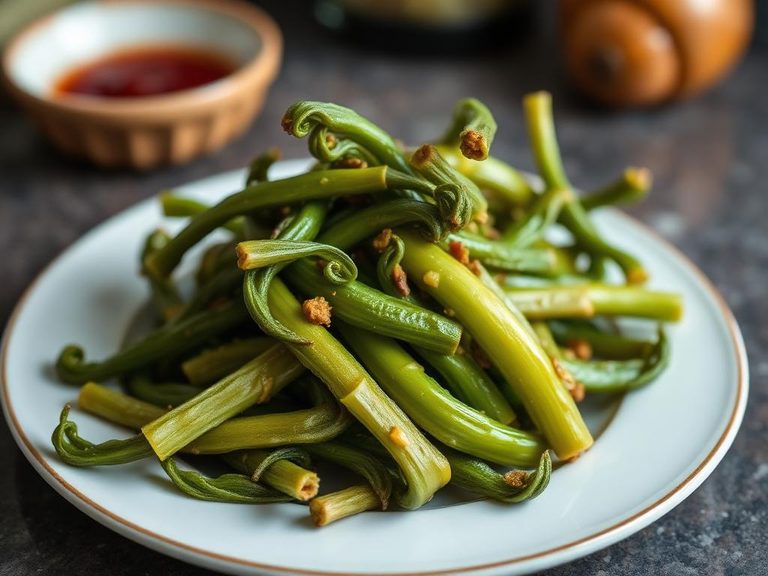
Fiddlehead ferns are the tightly coiled, young fronds of certain fern species, harvested in early spring. They have a distinctive, vibrant green color and a crisp, snappy texture when raw, with a flavor often described as a cross between asparagus, green beans, and artichoke. Nutritionally, they are a notable plant-based protein source for a vegetable, providing 4.55g per 100g with very low fat.
Calorie split: 41% protein · 50% carbs · 8% fat
↓ Full nutrition💚 Why it's loved
People love fiddleheads for their unique, spring-specific flavor that signals the end of winter and their versatility in both cooked and raw preparations. They are a celebrated seasonal delicacy in many foraging cultures, representing a connection to traditional, wild foodways.
⚠️ Watch-outs & how to enjoy it better
Raw fiddleheads can cause foodborne illness if not properly cleaned and cooked, as they may harbor bacteria. They also contain natural compounds like oxalates, which can be a concern for individuals with kidney issues or kidney stone history. To enjoy them safely, always rinse them thoroughly, remove any brown papery husks, and cook them by steaming, boiling, or sautéing until tender-crisp, which also reduces oxalate content.
Key benefits
- Excellent source of plant-based protein
- Very low in fat and calories
- Contains antioxidants like vitamin C and beta-carotene
- Good source of omega-3 and omega-6 fatty acids
- Provides essential minerals like iron and manganese
🍽️ Popular dishes
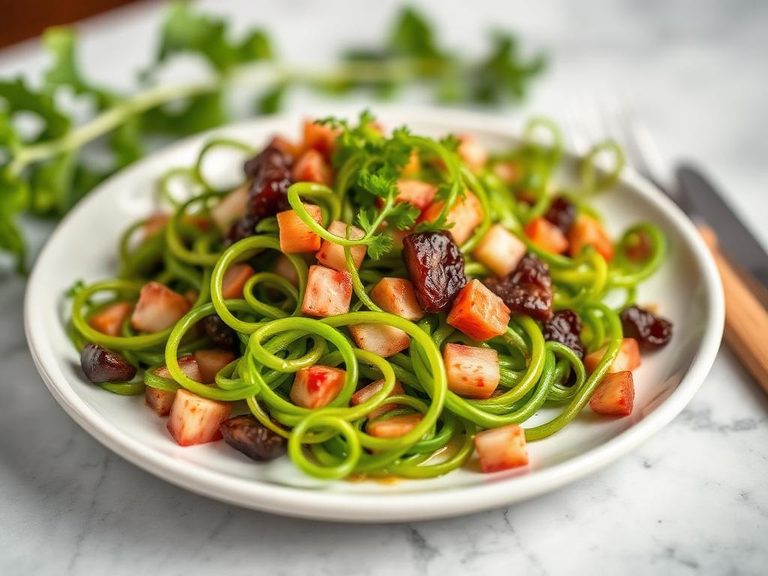
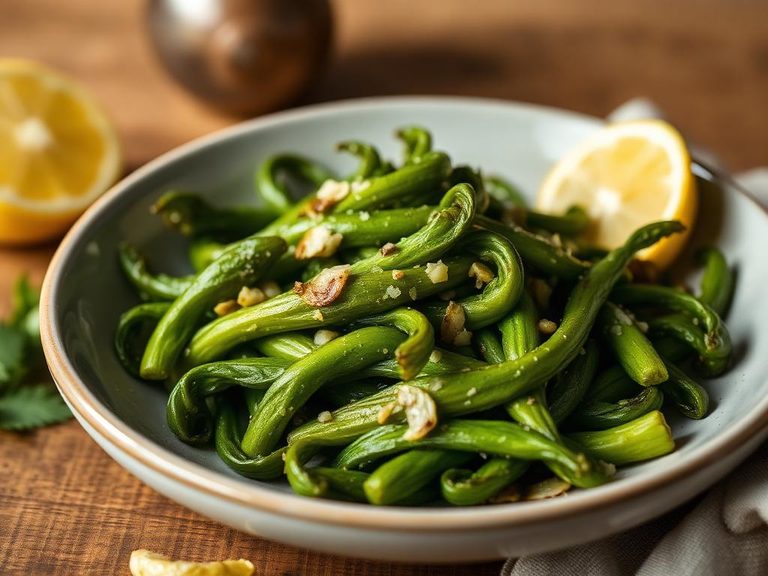
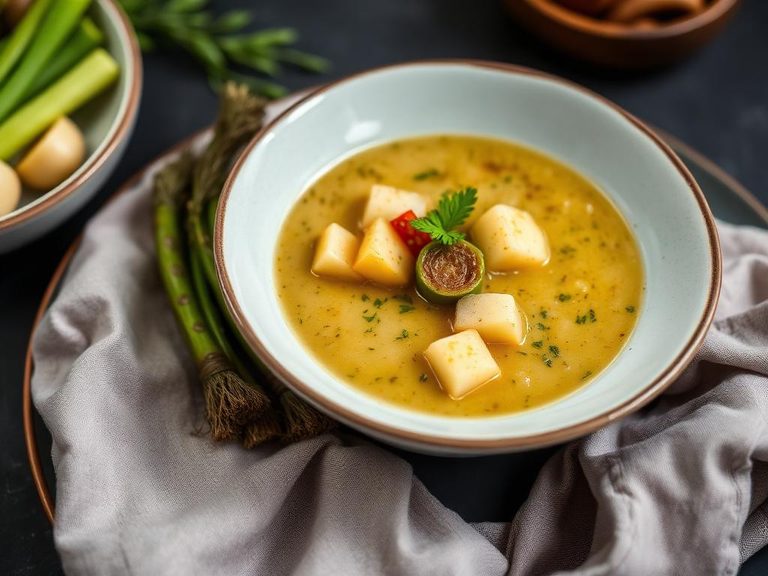
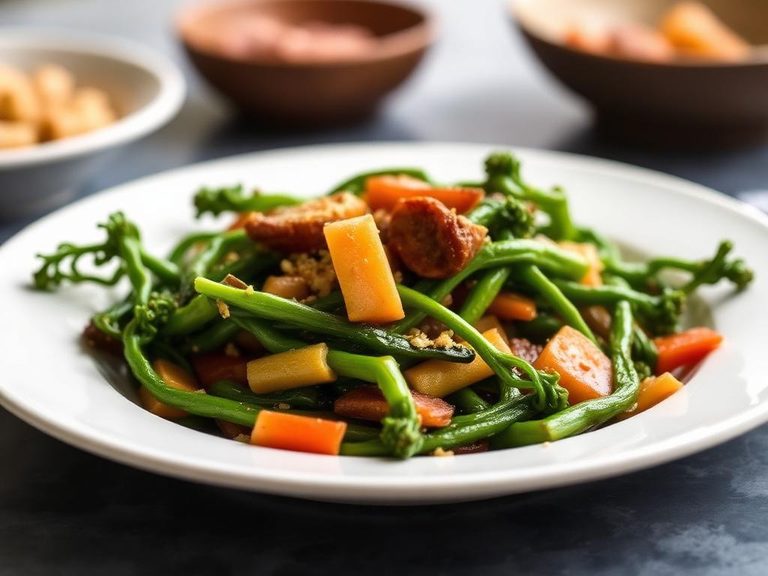

🌍 Where it's eaten
💡 Did you know?
Fiddleheads are one of the few wild vegetables commercially harvested and sold in North America, with a very short season of just a few weeks in spring.
Full nutrition (USDA data · scales with serving)
| Water | 88.7 g |
| Energy | 34.0 kcal |
| Energy | 143 kj |
| Protein | 4.5 g |
| Total lipid (fat) | 0.40 g |
| Ash | 0.83 g |
| Carbohydrate, by difference | 5.5 g |
| Calcium, Ca | 32.0 mg |
| Iron, Fe | 1.3 mg |
| Magnesium, Mg | 34.0 mg |
| Phosphorus, P | 101 mg |
| Potassium, K | 370 mg |
| Sodium, Na | 1.0 mg |
| Zinc, Zn | 0.83 mg |
| Copper, Cu | 0.32 mg |
| Manganese, Mn | 0.51 mg |
| Vitamin C, total ascorbic acid | 26.6 mg |
| Thiamin | 0.02 mg |
| Riboflavin | 0.21 mg |
| Niacin | 5.0 mg |
| Vitamin B-12 | 0.00 ug |
| Vitamin A, RAE | 181 ug |
| Retinol | 0.00 ug |
| Carotene, beta | 2040 ug |
| Carotene, alpha | 261 ug |
| Vitamin A, IU | 3617 iu |
| Vitamin D (D2 + D3), International Units | 0.00 iu |
| Vitamin D (D2 + D3) | 0.00 ug |
Fat & fatty acid profile (per 100g)
| Fatty acids, total trans | 0.00 g |
| Cholesterol | 0.00 mg |
FAQ
Can I eat fiddlehead ferns raw?
While some people consume them raw in salads, it's generally recommended to cook fiddleheads (steam, boil, or sauté) to reduce the risk of foodborne illness and to break down oxalates. If eating raw, use only very fresh, well-cleaned fiddleheads and consume in small amounts.
How do I prepare fresh fiddleheads?
Rinse them thoroughly under cold water to remove any dirt or debris. Use your fingers or a vegetable brush to gently rub off the brown, papery husks that cover the coils. Trim the tough, woody ends of the stems before cooking.
What do fiddleheads taste like?
Fiddleheads have a unique, earthy, and slightly nutty flavor. Most people compare the taste to a blend of asparagus, green beans, and artichoke, with a crisp, snappy texture when properly cooked.
Nutrient density (calculated · NRF9.3)
Nutrient Rich Foods index: beneficial nutrients (protein, fiber, vitamins, minerals) minus saturated fat, added sugar & sodium, per 100 kcal.
NRF9.3 index — Fulgoni, Keast & Drewnowski, 2009. Computed from USDA nutrients.
Weight-loss friendliness (composite index)
Energy density 0.34 kcal/g · 54% calories from protein · 0.0 g fiber · 0.0 g sugar per 100 g.
Composite of energy density (Rolls et al., 1999), protein & fiber satiety, minus sugar. A calculated heuristic — ranks satiety-per-calorie, not a clinical measure.
Dietary load (calculated from USDA values)
Potential renal acid load. Positive = acid-forming, negative = alkaline-forming.
Sodium-to-potassium ratio: 0.00 (lower is better — aim for ≤ 1)
Sodium:potassium per WHO potassium guidance. Computed from USDA nutrients.