Pickled Fiddleheads
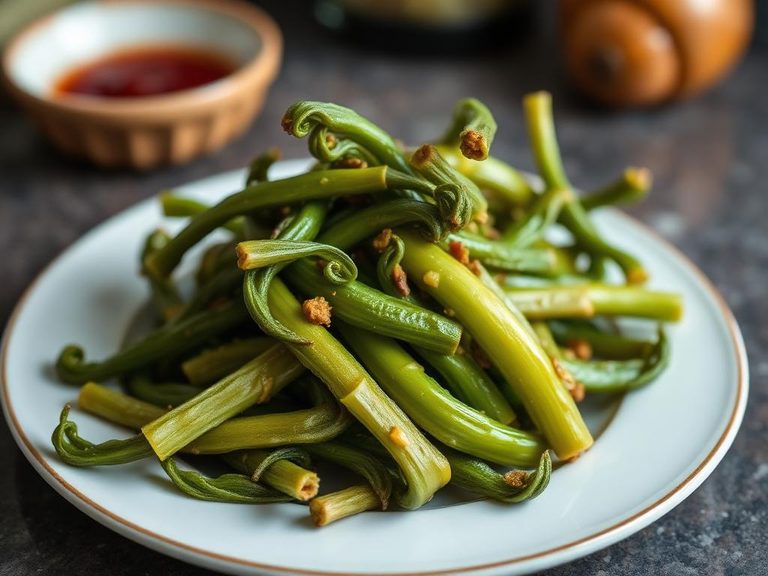
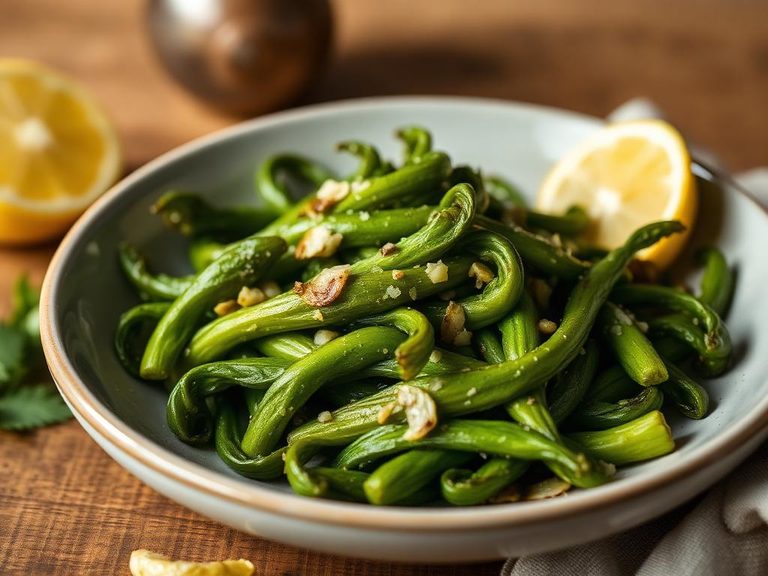
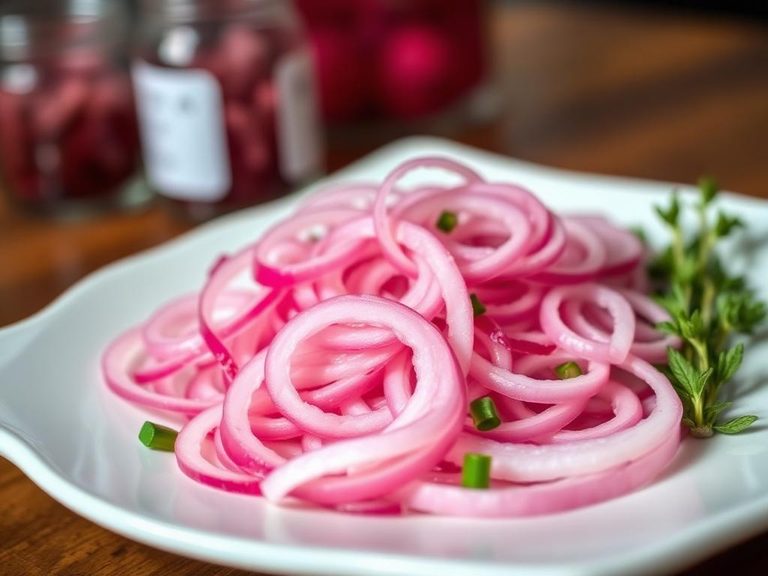
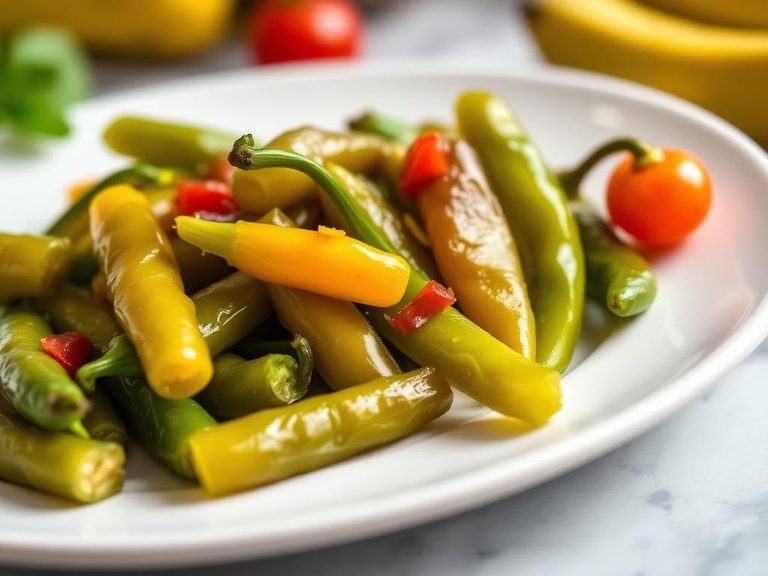
Pickled fiddleheads are a tangy, preserved preparation of young, coiled fern fronds, typically made with vinegar, salt, and sometimes sugar or spices. This method is common in parts of North America, particularly New England and Eastern Canada, as well as in parts of Asia, where it's a way to enjoy the short seasonal harvest of wild fiddleheads year-round.
🍽️ Nutrition at a glance
This dish is low in calories, fat, and protein, with a modest amount of carbohydrates primarily from the added pickling brine. It is a good source of minerals like potassium and manganese, and provides a unique set of antioxidants.
Nutrition breakdown
| Calories | 35 kcal |
| Protein | 2 g |
| Carbs | 5 g |
| Fat | 0.5 g |
| Fiber | 3 g |
| Sugar | 2 g |
| Sodium | 480 mg |
| Potassium | 350 mg |
| Manganese | 0.7 mg |
| Vitamin A | 1200 IU |
| Vitamin C | 15 mg |
| Iron | 1.2 mg |
| Copper | 0.15 mg |
| Vitamin K | 30 mcg |
| Magnesium | 25 mg |
Per 1 cup (160 g) · estimated, varies by recipe
💡 What's interesting
Fiddleheads are a foraged wild food with a very short natural season, making pickling a culturally important preservation method. Nutritionally, they are known for containing a unique and potent antioxidant called proanthocyanidins.