

Cereals ready-to-eat, QUAKER, MOTHER'S Toasted Oat Bran cereal
Whole food · Breakfast Cereals

Photo: Wikipedia
Quaker Mother's Toasted Oat Bran is a crunchy, ready-to-eat cereal made from toasted oat bran, delivering a nutty, slightly sweet flavor with a satisfying, coarse texture. It's a high-fiber, low-fat option that provides a substantial 8.6g of fiber per 100g, making it a standout for digestive health. The cereal offers a balanced 372 kcal per 100g, with a moderate protein content of 11.45g and a relatively low fat content of just 5.04g.
Calorie split: 12% protein · 77% carbs · 12% fat
↓ Full nutrition💚 Why it's loved
People love it for its robust, toasty oat flavor and hearty, crunchy texture that holds up well in milk without becoming instantly soggy. It's a nostalgic, versatile staple that can be enjoyed as a simple breakfast or a crunchy topping for yogurt and fruit.
⚠️ Watch-outs & how to enjoy it better
With 15.57g of sugar per 100g, it can contribute to blood sugar spikes if eaten in large portions or alone. To counteract this, pair it with a source of protein and fat like Greek yogurt, nuts, or seeds, and practice portion control by sticking to a single serving. It may also contain trace allergens from shared facility processing.
Key benefits
- Excellent source of dietary fiber (8.6g per 100g) for digestive health.
- Low in fat (5.04g per 100g) compared to many other cereals.
- Provides a good plant-based protein source (11.45g per 100g).
- Whole grain oat-based, offering sustained energy release.
- Readily available and convenient for a quick, nutritious meal.
🍽️ Popular dishes

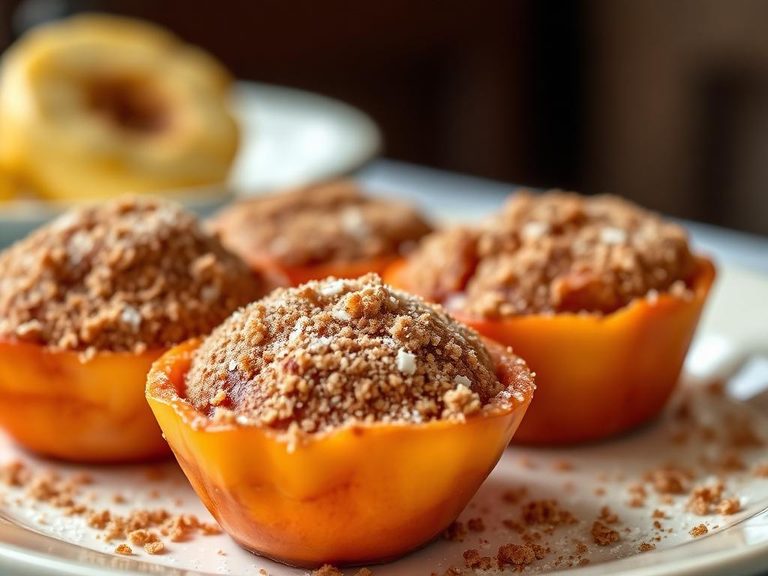
🌍 Where it's eaten
💡 Did you know?
Oat bran is the outer layer of the oat groat, and toasting it not only enhances its nutty flavor but also helps preserve its natural antioxidants.
Full nutrition (USDA data · scales with serving)
| Water | 4.0 g |
| Energy | 372 kcal |
| Energy | 1558 kj |
| Protein | 11.4 g |
| Total lipid (fat) | 5.0 g |
| Ash | 4.1 g |
| Carbohydrate, by difference | 75.4 g |
| Fiber, total dietary | 8.6 g |
| Total Sugars | 15.6 g |
| Calcium, Ca | 58.0 mg |
| Iron, Fe | 4.1 mg |
| Magnesium, Mg | 136 mg |
| Phosphorus, P | 429 mg |
| Potassium, K | 489 mg |
| Sodium, Na | 653 mg |
| Zinc, Zn | 2.9 mg |
| Vitamin C, total ascorbic acid | 0.00 mg |
| Thiamin | 0.55 mg |
| Riboflavin | 0.32 mg |
| Niacin | 1.8 mg |
| Vitamin B-6 | 0.13 mg |
| Folate, total | 36.0 ug |
| Folate, food | 36.0 ug |
| Folate, DFE | 36.0 ug |
| Vitamin B-12 | 0.00 ug |
| Vitamin A, RAE | 3.0 ug |
| Vitamin A, IU | 63.0 iu |
| Vitamin E (alpha-tocopherol) | 4.5 mg |
| Vitamin D (D2 + D3), International Units | 0.00 iu |
| Vitamin D (D2 + D3) | 0.00 ug |
Fat & fatty acid profile (per 100g)
| Fatty acids, total saturated | 0.89 g |
| Fatty acids, total monounsaturated | 1.6 g |
| Fatty acids, total polyunsaturated | 1.8 g |
| Fatty acids, total trans | 0.00 g |
| Cholesterol | 0.00 mg |
FAQ
Is this cereal gluten-free?
While oats are naturally gluten-free, this product is processed in a facility that handles wheat. It is not certified gluten-free and may contain trace amounts, so it is not suitable for those with celiac disease or severe gluten sensitivity.
How does the sugar content compare to other cereals?
At 15.57g per 100g, its sugar content is moderate—lower than many sweetened children's cereals but higher than plain, unsweetened oat bran. It's best enjoyed in controlled portions.
Can I eat this on a low-carb diet?
With 75.41g of carbohydrates per 100g, this is a high-carb food and is not suitable for standard low-carb or ketogenic diets. It is better suited for balanced or high-fiber dietary patterns.
Nutrient density (calculated · NRF9.3)
Nutrient Rich Foods index: beneficial nutrients (protein, fiber, vitamins, minerals) minus saturated fat, added sugar & sodium, per 100 kcal.
NRF9.3 index — Fulgoni, Keast & Drewnowski, 2009. Computed from USDA nutrients.
Weight-loss friendliness (composite index)
Energy density 3.72 kcal/g · 12% calories from protein · 8.6 g fiber · 15.6 g sugar per 100 g.
Composite of energy density (Rolls et al., 1999), protein & fiber satiety, minus sugar. A calculated heuristic — ranks satiety-per-calorie, not a clinical measure.
Dietary load (calculated from USDA values)
Potential renal acid load. Positive = acid-forming, negative = alkaline-forming.
Sodium-to-potassium ratio: 1.34 (lower is better — aim for ≤ 1)
Sodium:potassium per WHO potassium guidance. Computed from USDA nutrients.