Tomato, roma
Whole food · Vegetables and Vegetable Products
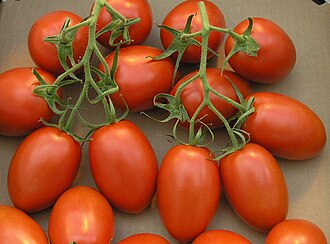
Photo: Wikipedia
The Roma tomato, also known as a plum tomato, is a meaty, oval-shaped variety prized for its dense flesh and low moisture content. Its flavor is a balanced, mild sweetness with a classic tomato tang, and its texture holds up beautifully when cooked, making it less watery than many other types. Nutritionally, it's a low-calorie powerhouse, offering a solid dose of fiber and vitamin C without any sugar or fat.
💚 Why it's loved
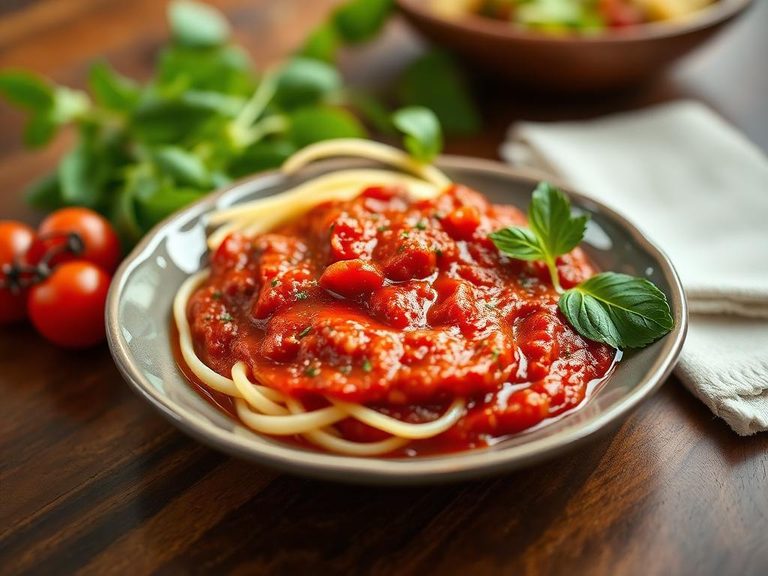
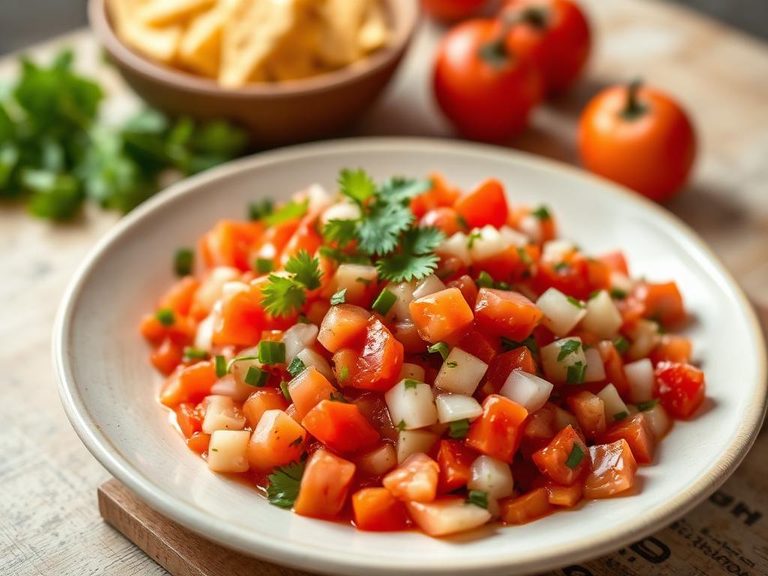
People adore the Roma tomato for its versatility and reliability in the kitchen. Its meaty texture and concentrated flavor make it the undisputed champion for sauces, salsas, and canning, as it breaks down into a rich, thick consistency without becoming watery.
⚠️ Watch-outs & how to enjoy it better
While generally well-tolerated, Roma tomatoes contain naturally occurring oxalates, which can contribute to kidney stone formation in susceptible individuals. To mitigate this, ensure adequate hydration and consider pairing them with calcium-rich foods like cheese or yogurt, which can help bind oxalates in the digestive system.
Key benefits
- Excellent source of the antioxidant lycopene, linked to heart health.
- High in vitamin C, supporting immune function and skin health.
- Provides dietary fiber for digestive health.
- Very low in calories and naturally fat-free.
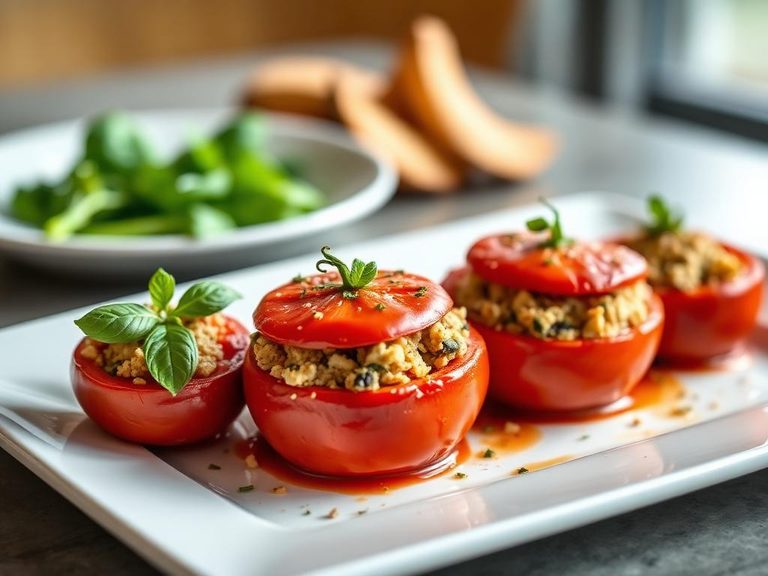
🍽️ Popular dishes

🌍 Where it's eaten
💡 Did you know?
The Roma tomato is not a single variety but a class of plum tomatoes, with the 'Roma VF' being the most common hybrid, developed in the 1950s specifically for its disease resistance and ideal canning properties.
Full nutrition (scales with serving)
| Water | 94.7 g |
| Energy (Atwater General Factors) | 22.0 kcal |
| Energy (Atwater Specific Factors) | 19.0 kcal |
| Nitrogen | 0.11 g |
| Protein | 0.70 g |
| Total lipid (fat) | 0.42 g |
| Ash | 0.31 g |
| Carbohydrate, by difference | 3.8 g |
| Fiber, total dietary | 0.97 g |
| Calcium, Ca | 10.0 mg |
| Iron, Fe | 0.10 mg |
| Magnesium, Mg | 8.1 mg |
| Phosphorus, P | 19.1 mg |
| Potassium, K | 193 mg |
| Sodium, Na | 0.00 mg |
| Zinc, Zn | 0.08 mg |
| Copper, Cu | 0.03 mg |
| Manganese, Mn | 0.09 mg |
| Selenium, Se | 0.00 ug |
| Vitamin C, total ascorbic acid | 17.8 mg |
| Thiamin | 0.06 mg |
| Riboflavin | 0.00 mg |
| Niacin | 0.53 mg |
| Vitamin B-6 | 0.08 mg |
| Folate, total | 10.0 ug |
| Vitamin A, RAE | 23.9 ug |
| Carotene, beta | 276 ug |
| Carotene, alpha | 0.88 ug |
| Carotene, gamma | 2.1 ug |
| Cryptoxanthin, beta | 19.1 ug |
| Cryptoxanthin, alpha | 9.6 ug |
| Lycopene | 2863 ug |
| cis-Lutein/Zeaxanthin | 0.00 ug |
| Lutein | 56.0 ug |
| Zeaxanthin | 0.00 ug |
FAQ
What's the difference between a Roma tomato and a regular tomato?
Roma tomatoes are a plum variety, meaning they are more oval, have thicker flesh, fewer seeds, and less liquid. This makes them ideal for cooking down into sauces, while regular slicing tomatoes are juicier and better for salads and sandwiches.
Can I use Roma tomatoes raw in salads?
Absolutely. Their firm texture holds up well in chopped salads. For a less watery salad, you can gently scoop out the seed-filled gel before dicing.
How do I store Roma tomatoes?
Store them stem-side down at room temperature until fully ripe. Once ripe, you can refrigerate them for a few days, but let them come to room temperature before eating to restore the best flavor and texture.