

School Lunch, pizza, TONY'S SMARTPIZZA Whole Grain 4x6 Pepperoni Pizza 50/50 Cheese, frozen
Whole food · Fast Foods

Photo: Wikipedia
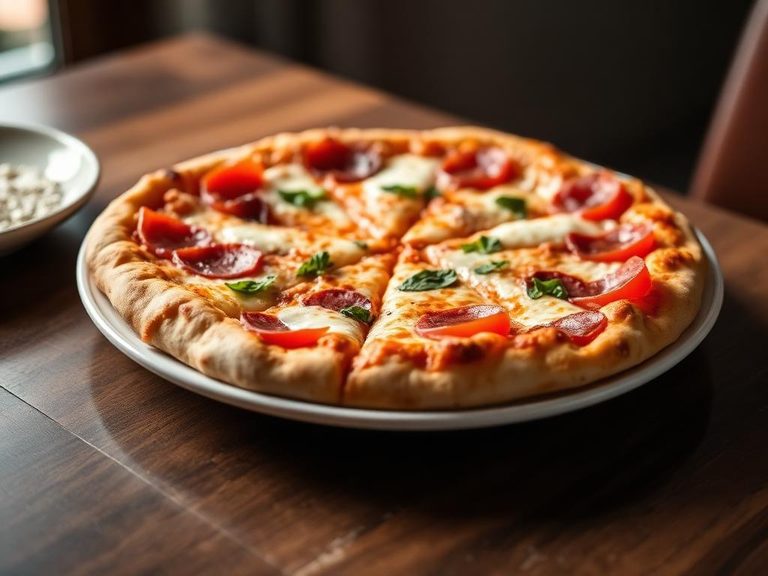
This is a pre-portioned, frozen school-lunch staple: a rectangular 4x6-inch pepperoni pizza on a whole-grain crust with a 50/50 blend of mozzarella and cheddar cheeses. The crust offers a slightly chewy, bready texture, while the cheese provides a classic, salty melt and the pepperoni adds a savory, spicy kick. Nutritionally, it's a balanced convenience meal, delivering a solid 12g of protein and 4g of fiber per 100g to help sustain energy.
Calorie split: 20% protein · 49% carbs · 31% fat
↓ Full nutrition💚 Why it's loved
It's the ultimate comfort food for nostalgia, delivering the beloved, savory combination of melted cheese, tangy tomato sauce, and spicy pepperoni on a satisfyingly chewy crust. Its rectangular shape and familiar taste make it a reliable, crowd-pleasing centerpiece of the classic American school lunch tray.
⚠️ Watch-outs & how to enjoy it better
The processed meat (pepperoni) and cheese can be high in sodium and saturated fat, which may be a concern for those monitoring heart health. The refined flour in the crust, even if whole-grain, can cause a quicker blood-sugar rise compared to a non-crust meal. To counteract, pair a slice with a side salad or raw veggies to add volume and fiber, and drink water instead of sugary milk or juice.
Key benefits
- Whole-grain crust provides dietary fiber for digestive health.
- Good source of protein from cheese and pepperoni for muscle maintenance.
- Pre-portioned for easy calorie and portion control in institutional settings.
- Fortified with vitamins and minerals common in school lunch programs.
- Offers a familiar, kid-friendly flavor that encourages meal participation.
🍽️ Popular dishes
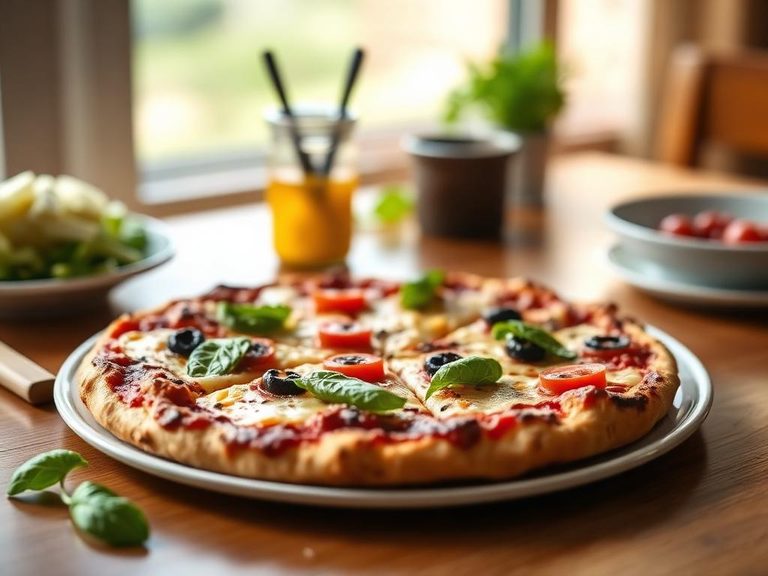
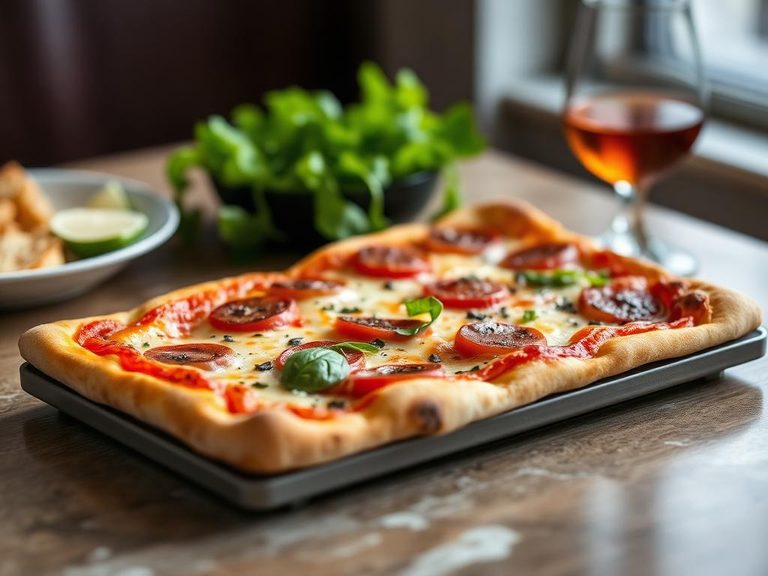
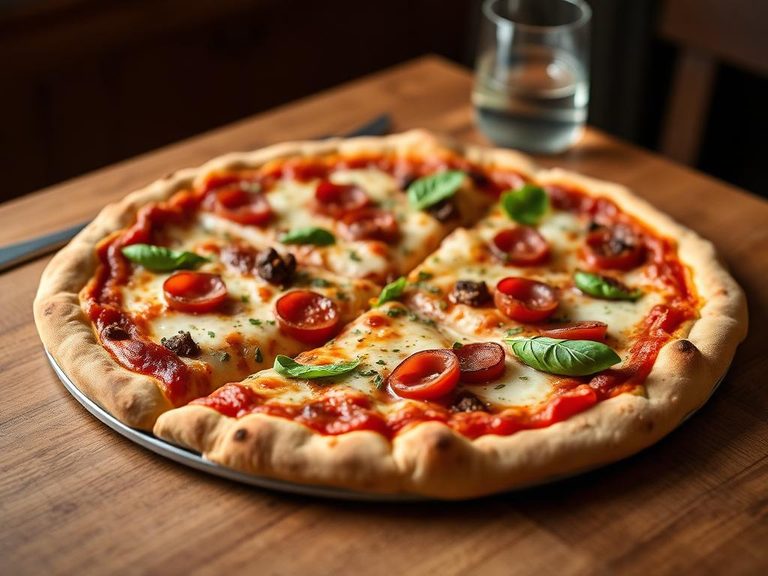
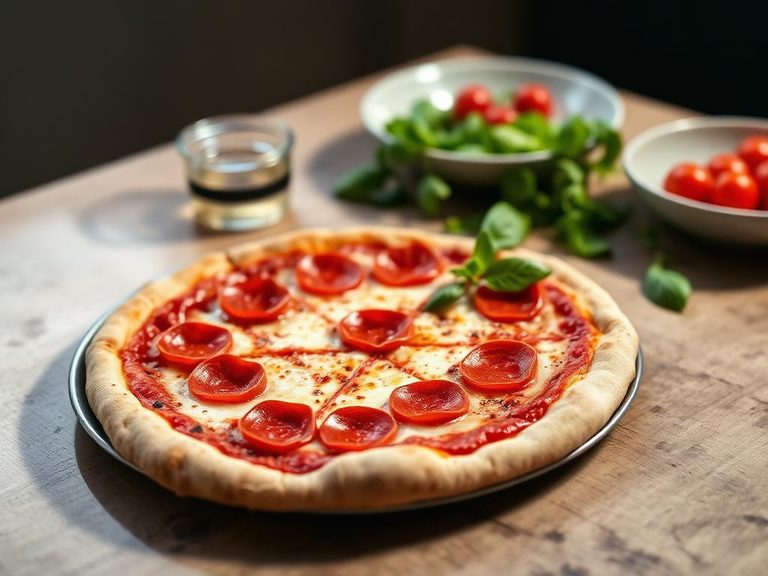
🌍 Where it's eaten
💡 Did you know?
The iconic rectangular shape of school pizza was popularized in the 1960s because it could be baked in large, rectangular sheet pans, maximizing oven space and allowing for easy, uniform slicing into squares for hundreds of students.
Full nutrition (USDA data · scales with serving)
| Water | 48.5 g |
| Energy | 238 kcal |
| Energy | 994 kj |
| Protein | 12.1 g |
| Total lipid (fat) | 8.2 g |
| Ash | 2.4 g |
| Carbohydrate, by difference | 28.8 g |
| Fiber, total dietary | 4.1 g |
| Total Sugars | 7.2 g |
| Glucose | 1.9 g |
| Fructose | 2.1 g |
| Lactose | 0.67 g |
| Maltose | 2.6 g |
| Calcium, Ca | 192 mg |
| Iron, Fe | 2.6 mg |
| Magnesium, Mg | 49.0 mg |
| Phosphorus, P | 300 mg |
| Potassium, K | 363 mg |
| Sodium, Na | 470 mg |
| Zinc, Zn | 2.4 mg |
| Vitamin C, total ascorbic acid | 0.00 mg |
| Thiamin | 0.33 mg |
| Riboflavin | 0.32 mg |
| Niacin | 3.5 mg |
| Vitamin B-6 | 0.18 mg |
| Vitamin B-12 | 2.0 ug |
| Retinol | 63.0 ug |
| Carotene, beta | 101 ug |
| Vitamin A, IU | 379 iu |
Fat & fatty acid profile (per 100g)
| Fatty acids, total saturated | 2.8 g |
| Fatty acids, total monounsaturated | 2.1 g |
| Fatty acids, total polyunsaturated | 2.2 g |
| Fatty acids, total trans | 0.18 g |
| Cholesterol | 12.0 mg |
FAQ
Is this pizza considered a healthy school lunch option?
It can be part of a balanced meal when paired with vegetables and fruit. The whole-grain crust and protein content are positive attributes, but mindful portioning is key due to sodium and fat content.
How does the 50/50 cheese blend affect the taste and nutrition?
The blend of mozzarella and cheddar creates a sharper, more complex flavor than mozzarella alone and adds a bit more fat and calcium. It melts well and provides the classic 'pizza pull' kids enjoy.
What is the best way to reheat this frozen pizza for the best texture?
For a crispier crust, bake it directly from frozen on a preheated oven tray at 400°F (200°C) for 10-12 minutes. Avoid the microwave if possible, as it can make the crust chewy or soggy.
Nutrient density (calculated · NRF9.3)
Nutrient Rich Foods index: beneficial nutrients (protein, fiber, vitamins, minerals) minus saturated fat, added sugar & sodium, per 100 kcal.
NRF9.3 index — Fulgoni, Keast & Drewnowski, 2009. Computed from USDA nutrients.
Weight-loss friendliness (composite index)
Energy density 2.38 kcal/g · 20% calories from protein · 4.1 g fiber · 7.2 g sugar per 100 g.
Composite of energy density (Rolls et al., 1999), protein & fiber satiety, minus sugar. A calculated heuristic — ranks satiety-per-calorie, not a clinical measure.
Dietary load (calculated from USDA values)
Potential renal acid load. Positive = acid-forming, negative = alkaline-forming.
Sodium-to-potassium ratio: 1.29 (lower is better — aim for ≤ 1)
Sodium:potassium per WHO potassium guidance. Computed from USDA nutrients.