

Prune puree
Whole food · Fruits and Fruit Juices

Photo: Wikipedia
Prune puree is a thick, smooth, and intensely sweet paste made from cooked and blended dried plums (prunes). Its flavor is a rich, caramel-like sweetness with a subtle tartness, and its texture is dense and velvety. Nutritionally, it's a concentrated source of carbohydrates, primarily from natural sugars, and provides a notable amount of dietary fiber.
Calorie split: 3% protein · 96% carbs · 1% fat
↓ Full nutrition💚 Why it's loved
People love prune puree for its deep, complex sweetness that enhances baked goods and sauces without added sugar. Its versatility as a natural sweetener, binder, and flavor enhancer makes it a staple in both health-conscious and traditional cooking.
⚠️ Watch-outs & how to enjoy it better
Its high sugar content can cause blood-sugar spikes, making it a concern for those managing diabetes. The concentrated fiber and sorbitol can cause digestive discomfort (bloating, gas) if consumed in large amounts. To counteract, pair it with protein or fat (like nuts or yogurt) to slow sugar absorption, and start with small portions (1-2 tablespoons) to assess tolerance.
Key benefits
- Excellent source of dietary fiber for digestive regularity
- Naturally sweet, making it a useful fat substitute in baking
- Rich in antioxidants like phenolic compounds
- Provides a quick source of energy from natural sugars
- Contains potassium, which supports heart health
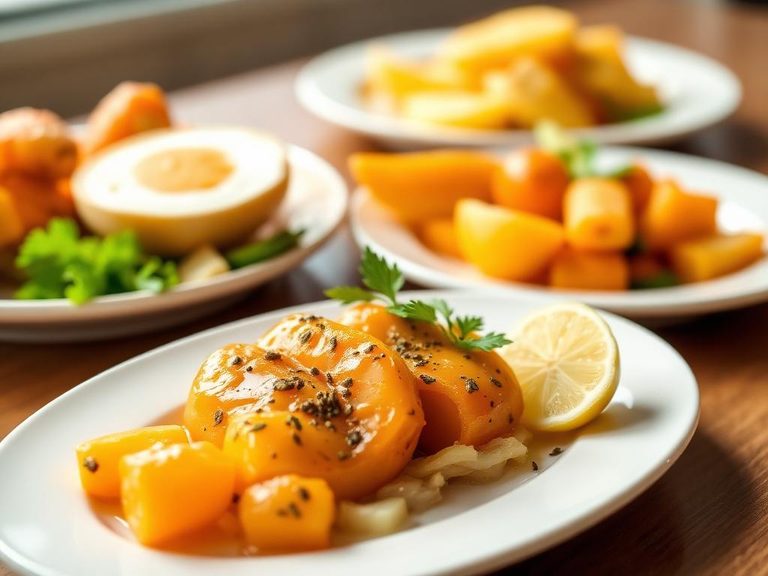
🍽️ Popular dishes
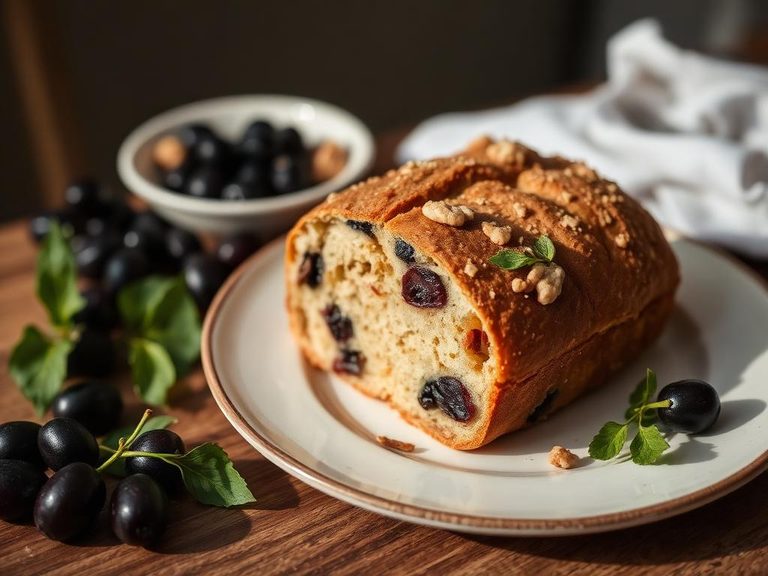
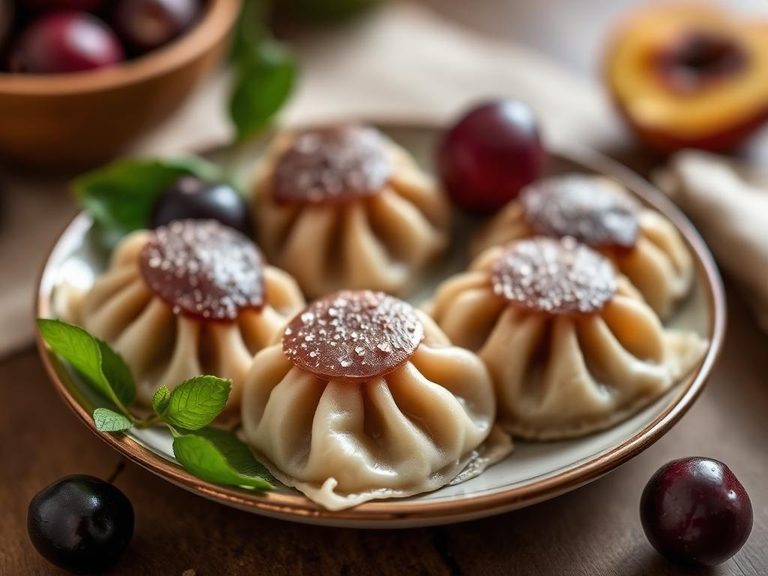
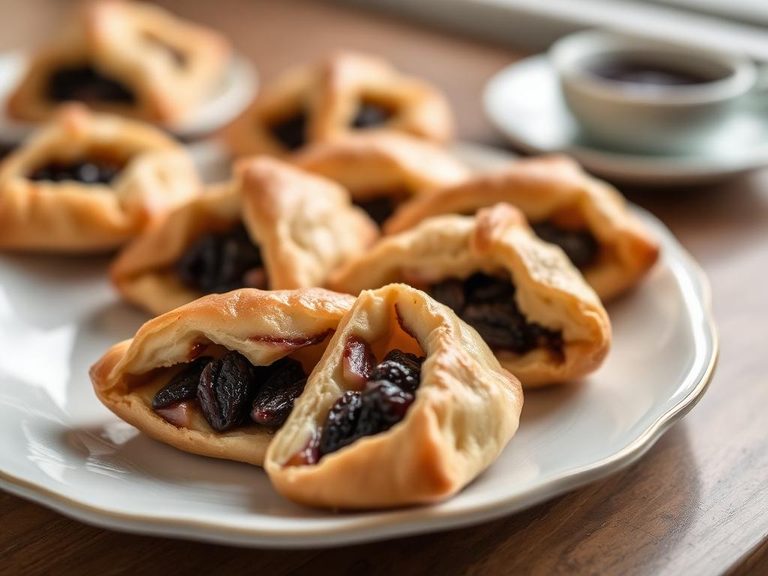
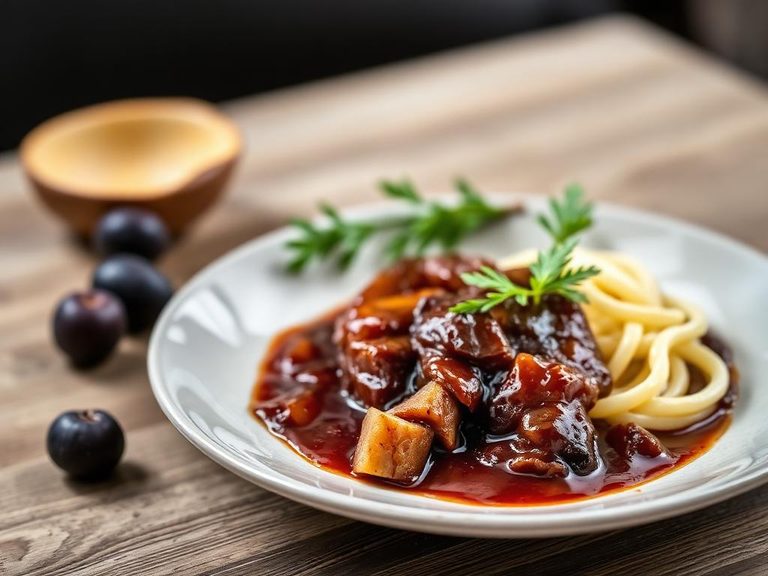
🌍 Where it's eaten
💡 Did you know?
Prunes are so effective at promoting bowel movements that the U.S. Food and Drug Administration (FDA) once denied a request to label them as a 'constipation aid' because they believed the term was too medical, leading to a long-running marketing campaign that simply called them 'dried plums.'
Full nutrition (USDA data · scales with serving)
| Water | 30.0 g |
| Energy | 257 kcal |
| Energy | 1075 kj |
| Protein | 2.1 g |
| Total lipid (fat) | 0.20 g |
| Ash | 2.6 g |
| Carbohydrate, by difference | 65.1 g |
| Fiber, total dietary | 3.3 g |
| Total Sugars | 39.0 g |
| Glucose | 22.3 g |
| Fructose | 13.9 g |
| Calcium, Ca | 31.0 mg |
| Iron, Fe | 2.8 mg |
| Phosphorus, P | 72.0 mg |
| Potassium, K | 852 mg |
| Sodium, Na | 23.0 mg |
| Vitamin C, total ascorbic acid | 4.3 mg |
| Thiamin | 0.04 mg |
| Niacin | 2.5 mg |
| Pantothenic acid | 0.43 mg |
| Vitamin A, RAE | 100 ug |
| Retinol | 0.00 ug |
| Vitamin A, IU | 2000 iu |
Fat & fatty acid profile (per 100g)
| Fatty acids, total saturated | 0.02 g |
| Fatty acids, total trans | 0.00 g |
| Cholesterol | 0.00 mg |
FAQ
Is prune puree the same as prunes?
No. Prunes are the whole dried plums, while prune puree is prunes that have been cooked (usually with water) and blended into a smooth, thick paste. The puree is more concentrated in sugar and calories per volume.
How is prune puree used in baking?
It's a popular fat replacer. You can substitute about 3/4 cup of prune puree for each 1 cup of butter or oil in recipes like brownies or cakes. It adds moisture, sweetness, and a subtle fruity flavor, but may make the final product denser.
Can I make prune puree at home?
Yes. Simply simmer pitted prunes in water (enjust to cover) until very soft, then blend until smooth. You can adjust the water amount for desired thickness. It stores well in the fridge for a week or frozen for months.
Nutrient density (calculated · NRF9.3)
Nutrient Rich Foods index: beneficial nutrients (protein, fiber, vitamins, minerals) minus saturated fat, added sugar & sodium, per 100 kcal.
NRF9.3 index — Fulgoni, Keast & Drewnowski, 2009. Computed from USDA nutrients.
Weight-loss friendliness (composite index)
Energy density 2.57 kcal/g · 3% calories from protein · 3.3 g fiber · 39.0 g sugar per 100 g.
Composite of energy density (Rolls et al., 1999), protein & fiber satiety, minus sugar. A calculated heuristic — ranks satiety-per-calorie, not a clinical measure.
Dietary load (calculated from USDA values)
Potential renal acid load. Positive = acid-forming, negative = alkaline-forming.
Sodium-to-potassium ratio: 0.03 (lower is better — aim for ≤ 1)
Sodium:potassium per WHO potassium guidance. Computed from USDA nutrients.