

Alcoholic beverage, wine, table, white, Sauvignon Blanc
Whole food · Beverages

Photo: Wikipedia
Sauvignon Blanc is a crisp, aromatic white wine known for its vibrant acidity and distinctive herbaceous, citrusy notes. It typically presents a light to medium body with a refreshing finish, often featuring flavors of grapefruit, green apple, and freshly cut grass. Nutritionally, it is very low in calories and contains negligible protein, fat, or fiber, making it a lighter alcoholic choice.
Calorie split: 3% protein · 97% carbs · 0% fat
↓ Full nutrition💚 Why it's loved
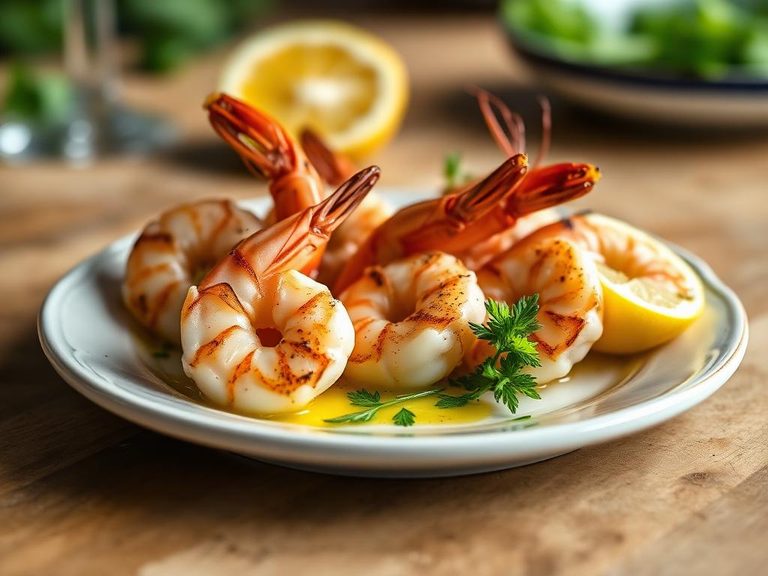
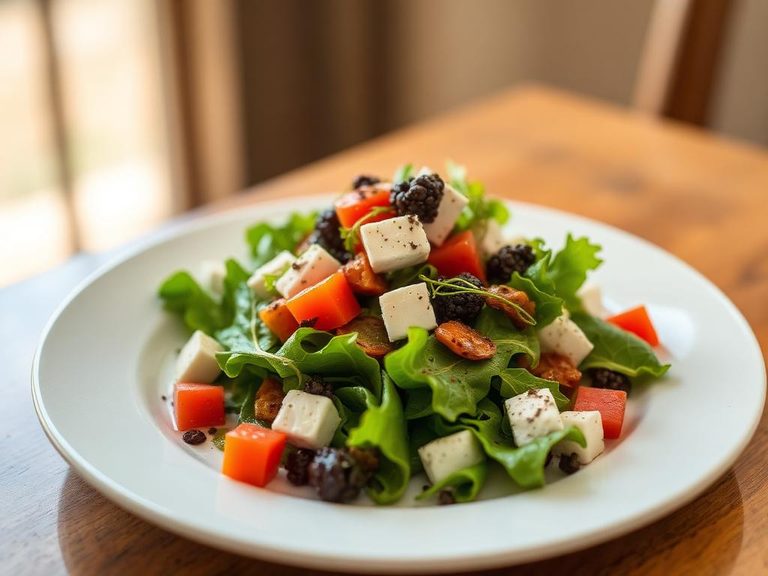
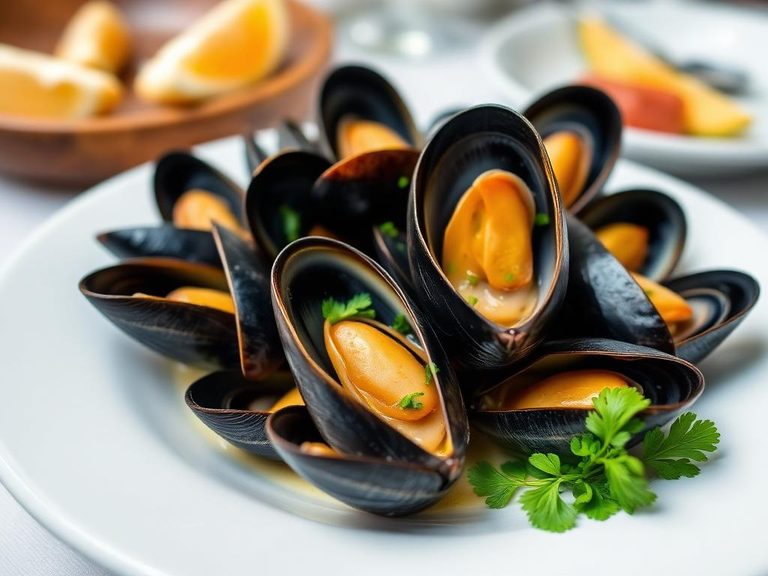
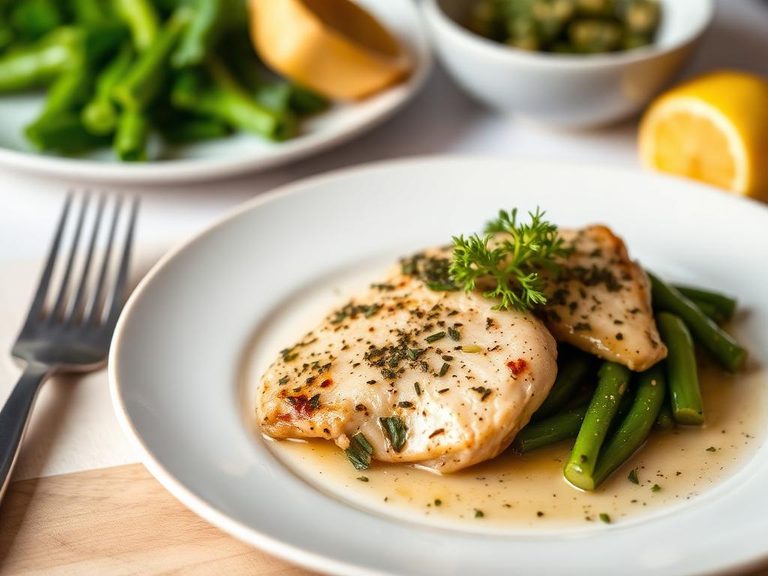
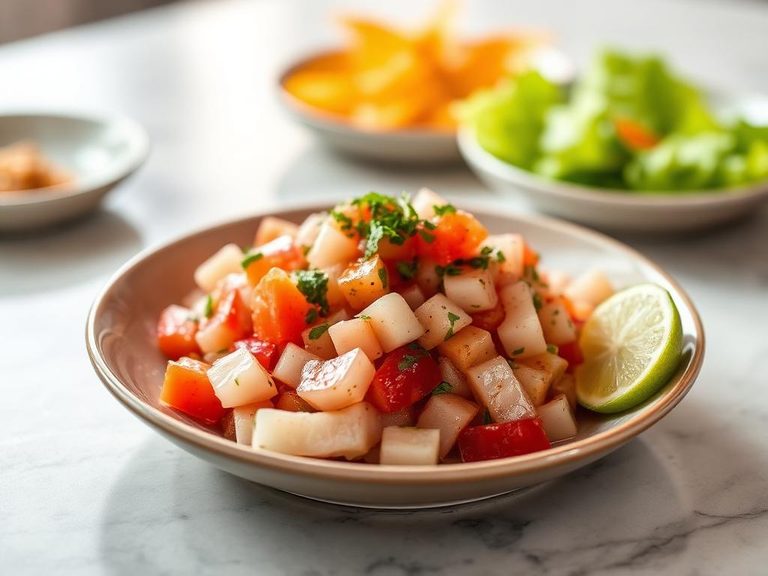
People love Sauvignon Blanc for its bright, zesty flavor profile that pairs exceptionally well with a wide range of foods, especially seafood and salads. Its crispness and aromatic complexity make it a versatile and refreshing choice for social gatherings and casual dining.
⚠️ Watch-outs & how to enjoy it better
While generally low in sugar, it can still contribute to blood-sugar spikes if consumed in excess, and the alcohol content may not be suitable for everyone. To counteract potential effects, consider pairing it with protein-rich foods like cheese or lean meats, and practice portion control by sticking to a standard serving size.
Key benefits
- Low in calories compared to many alcoholic beverages
- Contains no fat or fiber
- Rich in antioxidants like resveratrol and flavonoids
- May support heart health in moderation
- Naturally gluten-free
🍽️ Popular dishes
🌍 Where it's eaten
💡 Did you know?
Sauvignon Blanc is genetically the parent of the famous red wine grape Cabernet Sauvignon, which resulted from a natural cross between Sauvignon Blanc and Cabernet Franc in the 17th century.
Full nutrition (USDA data · scales with serving)
| Water | 87.2 g |
| Energy | 81.0 kcal |
| Energy | 340 kj |
| Protein | 0.07 g |
| Total lipid (fat) | 0.00 g |
| Ash | 0.18 g |
| Carbohydrate, by difference | 2.0 g |
| Alcohol, ethyl | 10.5 g |
Fat & fatty acid profile (per 100g)
| Fatty acids, total trans | 0.00 g |
Amino acid profile (per 100g)
Estimated from Alcoholic beverage, distilled, vodka, 80 proof — USDA does not publish this profile for Alcoholic beverage.
| Tryptophan | 0.00 g |
| Threonine | 0.00 g |
| Isoleucine | 0.00 g |
| Leucine | 0.00 g |
| Lysine | 0.00 g |
| Methionine | 0.00 g |
| Cystine | 0.00 g |
| Phenylalanine | 0.00 g |
| Tyrosine | 0.00 g |
| Valine | 0.00 g |
| Arginine | 0.00 g |
| Histidine | 0.00 g |
| Alanine | 0.00 g |
| Aspartic acid | 0.00 g |
| Glutamic acid | 0.00 g |
| Glycine | 0.00 g |
| Proline | 0.00 g |
| Serine | 0.00 g |
FAQ
Is Sauvignon Blanc sweet or dry?
Most Sauvignon Blanc is dry, with a crisp acidity that balances any residual sugar, though some styles can be slightly off-dry.
What foods pair best with Sauvignon Blanc?
It pairs excellently with seafood, goat cheese, salads, and dishes with citrus or herb-based sauces.
How does Sauvignon Blanc differ from Chardonnay?
Sauvignon Blanc is typically lighter, more acidic, and herbaceous, while Chardonnay is often richer, fuller-bodied, and can be oaked.
Weight-loss friendliness (composite index)
Energy density 0.81 kcal/g · 0% calories from protein · 0.0 g fiber · 0.0 g sugar per 100 g.
Composite of energy density (Rolls et al., 1999), protein & fiber satiety, minus sugar. A calculated heuristic — ranks satiety-per-calorie, not a clinical measure.