

Alcoholic beverage, wine, table, white, Pinot Blanc
Whole food · Beverages

Photo: Wikipedia
Pinot Blanc is a crisp, light-bodied white wine with a pale straw color, offering delicate notes of green apple, pear, and a hint of almond. Its texture is smooth with a clean, refreshing finish and moderate acidity. Nutritionally, it is very low in calories at 81 kcal per 100g, with minimal protein and carbohydrates, and no fat, fiber, or sugar.
Calorie split: 3% protein · 97% carbs · 0% fat
↓ Full nutrition💚 Why it's loved
People love Pinot Blanc for its versatile, easy-drinking character that pairs beautifully with a wide range of foods, from light salads to creamy pasta. Its subtle fruit flavors and balanced acidity make it a crowd-pleaser for both casual sipping and formal dinners, often associated with the elegant wine cultures of Alsace and Germany.
⚠️ Watch-outs & how to enjoy it better
Those monitoring blood sugar should be cautious, as the carbohydrates can contribute to spikes if consumed in excess. To counteract this, practice portion control (stick to a standard 5-ounce pour) and pair it with protein-rich or fatty foods like cheese or charcuterie to slow sugar absorption. Individuals with alcohol sensitivity or those avoiding alcohol for health reasons should opt for non-alcoholic alternatives.
Key benefits
- Low in calories (81 kcal per 100g)
- Contains minimal carbohydrates (1.94g per 100g)
- Fat-free and sugar-free
- May contain antioxidants like resveratrol from grape skins
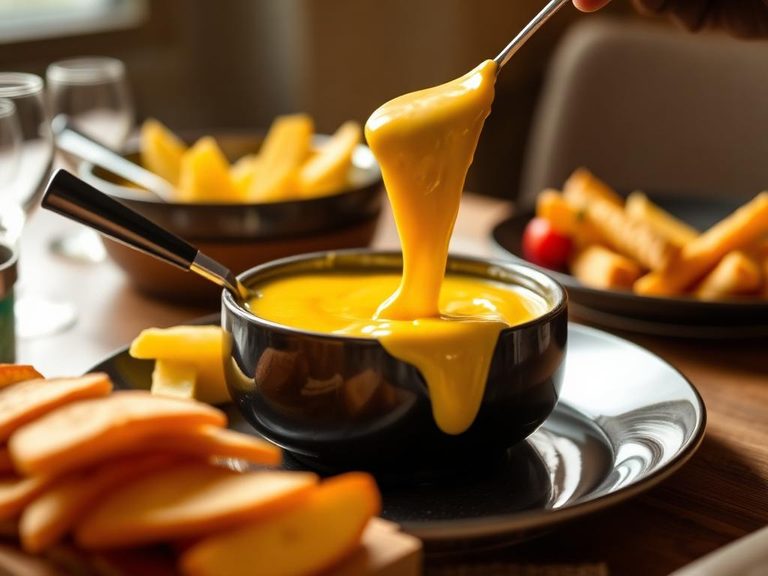
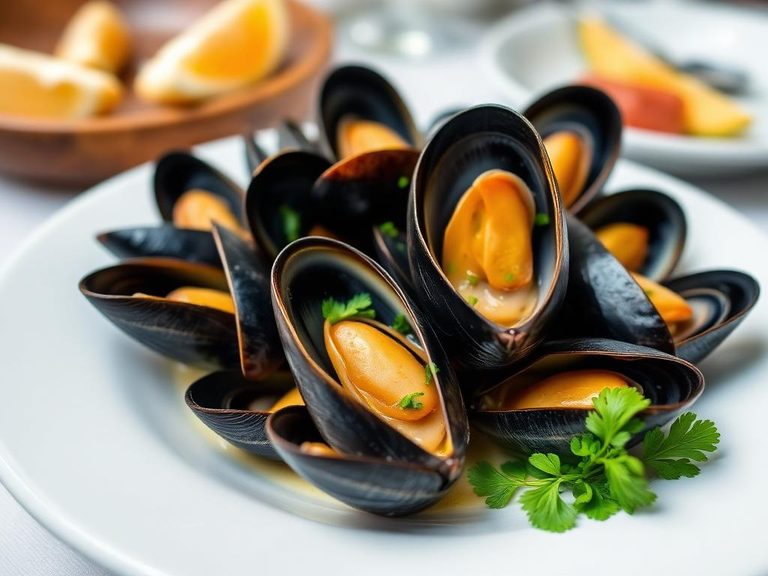
🍽️ Popular dishes
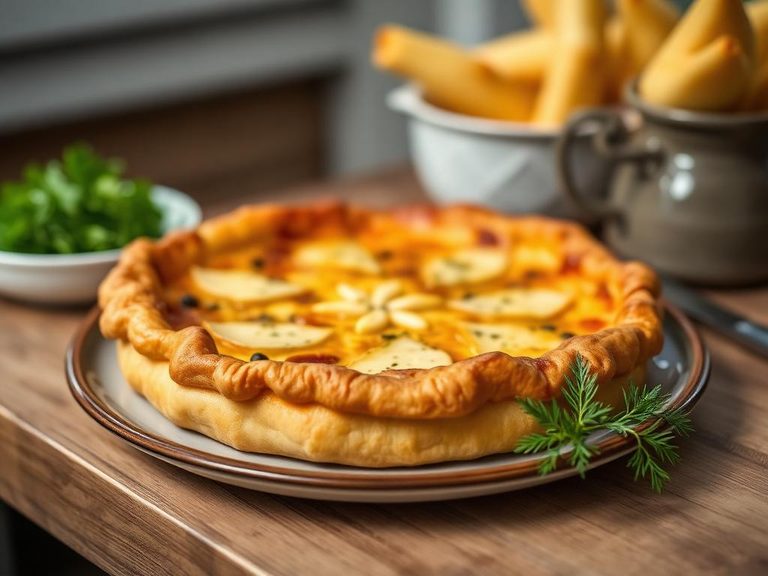
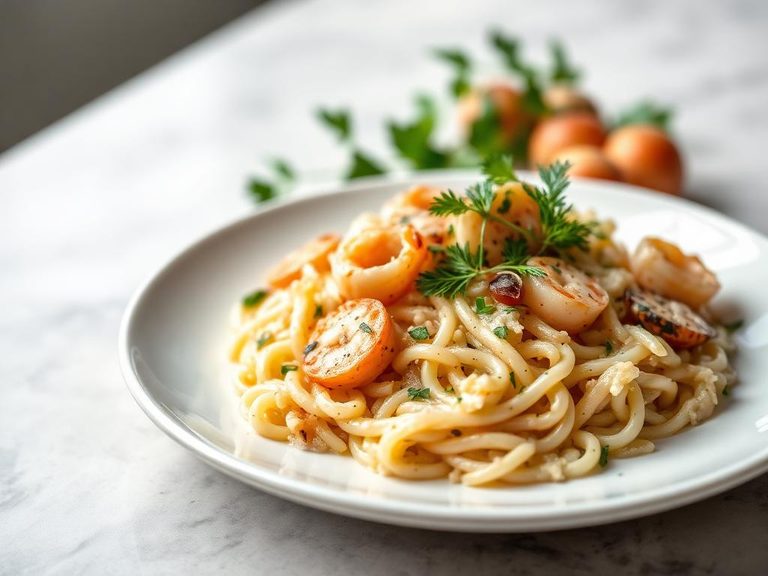
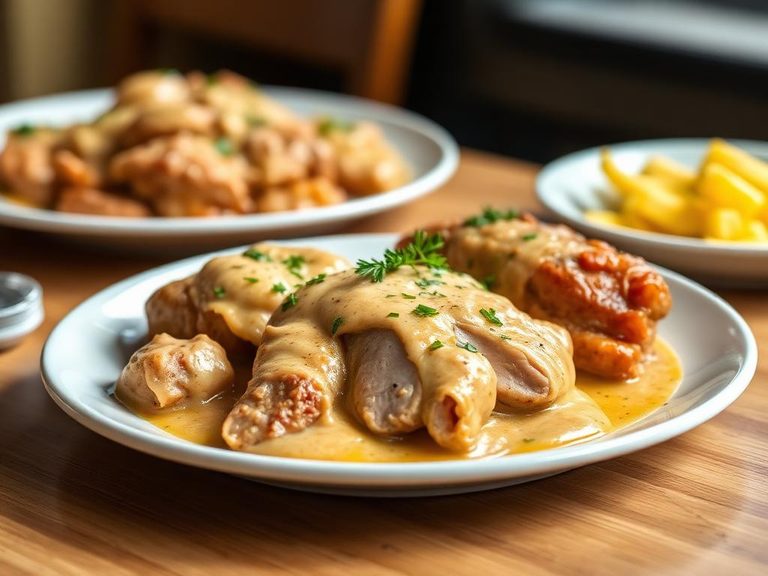
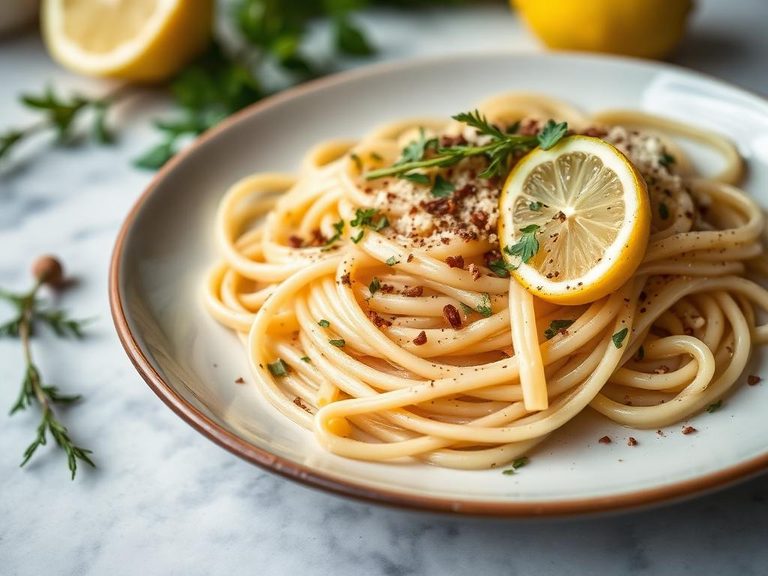
🌍 Where it's eaten
💡 Did you know?
Pinot Blanc is a genetic mutation of Pinot Noir, the famous red grape, and was historically used in Champagne production before being largely replaced by Chardonnay.
Full nutrition (USDA data · scales with serving)
| Water | 87.1 g |
| Energy | 81.0 kcal |
| Energy | 340 kj |
| Protein | 0.07 g |
| Total lipid (fat) | 0.00 g |
| Ash | 0.24 g |
| Carbohydrate, by difference | 1.9 g |
| Alcohol, ethyl | 10.6 g |
Fat & fatty acid profile (per 100g)
| Fatty acids, total trans | 0.00 g |
Amino acid profile (per 100g)
Estimated from Alcoholic beverage, distilled, vodka, 80 proof — USDA does not publish this profile for Alcoholic beverage.
| Tryptophan | 0.00 g |
| Threonine | 0.00 g |
| Isoleucine | 0.00 g |
| Leucine | 0.00 g |
| Lysine | 0.00 g |
| Methionine | 0.00 g |
| Cystine | 0.00 g |
| Phenylalanine | 0.00 g |
| Tyrosine | 0.00 g |
| Valine | 0.00 g |
| Arginine | 0.00 g |
| Histidine | 0.00 g |
| Alanine | 0.00 g |
| Aspartic acid | 0.00 g |
| Glutamic acid | 0.00 g |
| Glycine | 0.00 g |
| Proline | 0.00 g |
| Serine | 0.00 g |
FAQ
How does Pinot Blanc differ from Pinot Grigio?
Pinot Blanc is typically lighter, crisper, and more delicate with green apple notes, while Pinot Grigio often has more body, pear flavors, and a slightly richer texture.
What is the ideal serving temperature for Pinot Blanc?
Serve it chilled at 45-50°F (7-10°C) to enhance its refreshing acidity and aromatic qualities.
Is Pinot Blanc suitable for aging?
Most Pinot Blanc is meant to be consumed young (within 2-3 years) to enjoy its fresh fruit flavors, though some high-quality Alsatian versions can develop complexity with a few years of aging.
Weight-loss friendliness (composite index)
Energy density 0.81 kcal/g · 0% calories from protein · 0.0 g fiber · 0.0 g sugar per 100 g.
Composite of energy density (Rolls et al., 1999), protein & fiber satiety, minus sugar. A calculated heuristic — ranks satiety-per-calorie, not a clinical measure.