

Prairie Turnips, boiled (Northern Plains Indians)
Whole food · American Indian/Alaska Native Foods

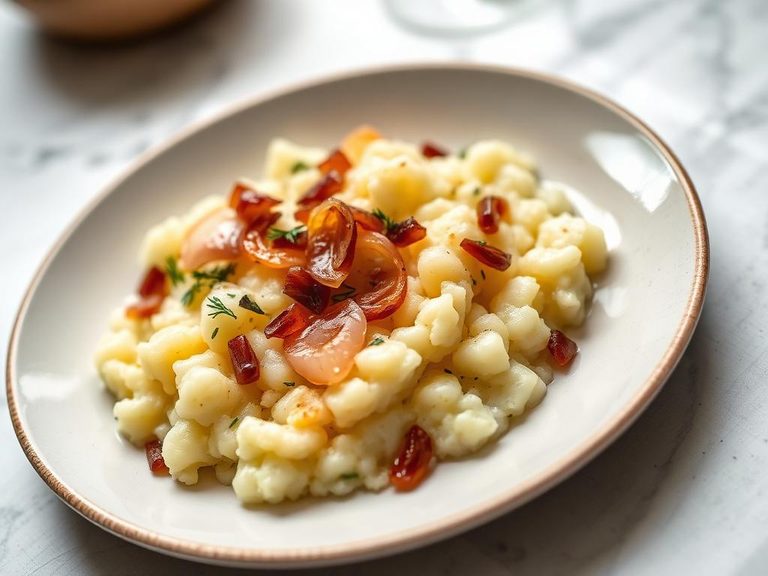
Photo: Wikipedia
Prairie turnips, a staple of the Northern Plains Indigenous diet, are boiled to a tender, slightly starchy texture with a subtle, earthy sweetness reminiscent of a mild parsnip or potato. This humble root, with its distinctive fibrous core, is a powerhouse of complex carbohydrates and dietary fiber, offering sustained energy without significant fat. Its flavor is deeply connected to the land, providing a savory, grounding taste that is both comforting and nourishing.
Calorie split: 5% protein · 93% carbs · 2% fat
↓ Full nutrition💚 Why it's loved
People cherish prairie turnips for their unique, earthy flavor that pairs beautifully with game meats and rich broths, embodying a taste of the Great Plains. Their cultural significance and role in traditional gatherings, like the sun dance, make them a beloved symbol of heritage and resilience.
⚠️ Watch-outs & how to enjoy it better
The high carbohydrate content can cause blood sugar spikes if consumed in large quantities without balancing protein or fat. To counteract this, pair boiled turnips with a source of protein like lean bison or a healthy fat like a drizzle of sunflower oil, and practice portion control by sticking to a 100-gram serving.
Key benefits
- Excellent source of dietary fiber for digestive health
- Provides complex carbohydrates for sustained energy release
- Low in fat and naturally cholesterol-free
- Rich in essential minerals like potassium and manganese
- A culturally significant, traditional food source
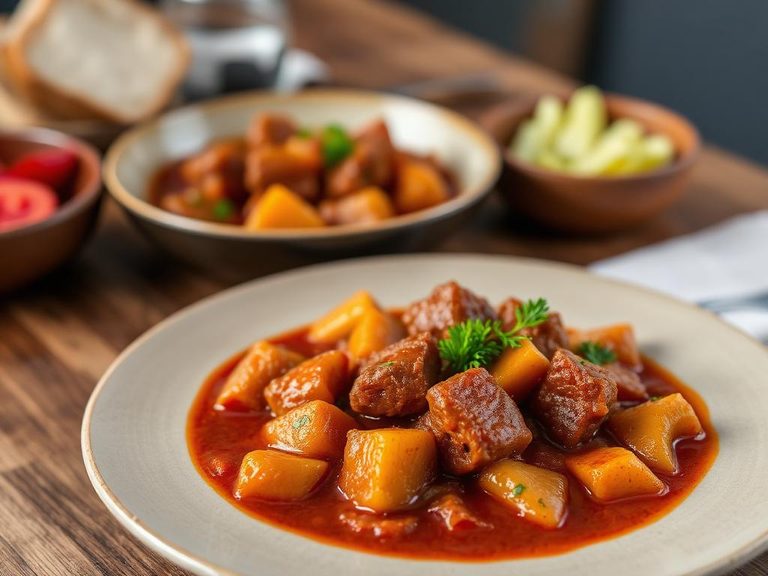
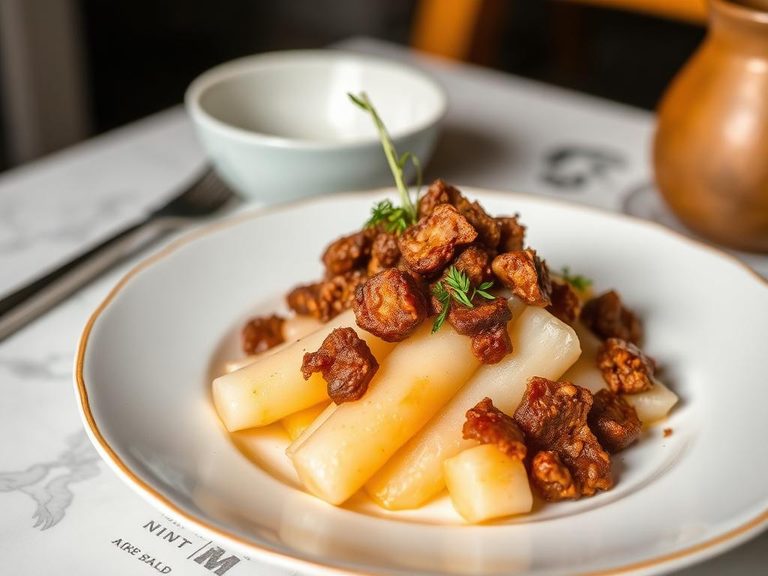
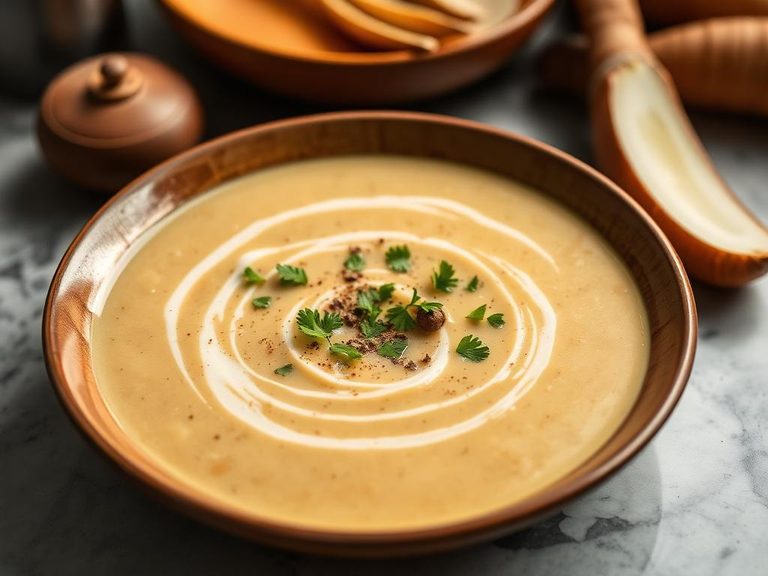
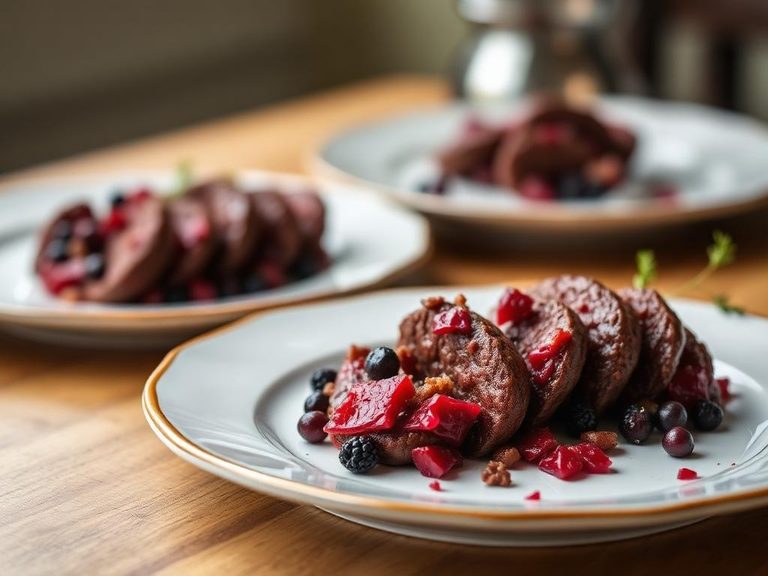
🍽️ Popular dishes
🌍 Where it's eaten
💡 Did you know?
Prairie turnips (Psoralea esculenta) are not true turnips but the tuberous root of a legume plant, and they were traditionally harvested by women using a specialized digging stick called a 'turnip puller.'
Full nutrition (USDA data · scales with serving)
| Water | 67.7 g |
| Energy | 129 kcal |
| Energy | 541 kj |
| Protein | 1.6 g |
| Total lipid (fat) | 0.32 g |
| Ash | 0.36 g |
| Carbohydrate, by difference | 30.0 g |
| Fiber, total dietary | 7.2 g |
| Total Sugars | 4.7 g |
| Sucrose | 0.75 g |
| Glucose | 0.38 g |
| Fructose | 0.07 g |
| Lactose | 0.00 g |
| Maltose | 3.5 g |
| Galactose | 0.00 g |
| Starch | 15.8 g |
| Calcium, Ca | 103 mg |
| Iron, Fe | 0.95 mg |
| Magnesium, Mg | 49.0 mg |
| Phosphorus, P | 20.0 mg |
| Potassium, K | 108 mg |
| Sodium, Na | 4.0 mg |
| Zinc, Zn | 0.28 mg |
| Copper, Cu | 0.04 mg |
| Manganese, Mn | 0.21 mg |
| Vitamin C, total ascorbic acid | 2.0 mg |
| Thiamin | 0.13 mg |
| Riboflavin | 0.04 mg |
| Niacin | 0.71 mg |
| Vitamin B-6 | 0.38 mg |
FAQ
What do prairie turnips taste like?
Prairie turnips have a mild, earthy flavor similar to a parsnip or potato, with a subtle sweetness and a slightly starchy, fibrous texture when boiled.
How are prairie turnips traditionally prepared?
They are typically peeled, sliced, and boiled until tender, often served with meat, dried berries, or in stews. Historically, they were also dried for long-term storage.
Are prairie turnips nutritious?
Yes, they are rich in complex carbohydrates, dietary fiber, and minerals like potassium and manganese, while being low in fat and protein.
Can I substitute prairie turnips in recipes?
While no substitute captures their exact flavor, parsnips, rutabagas, or turnips can be used as a similar-textured alternative in soups and stews.
Nutrient density (calculated · NRF9.3)
Nutrient Rich Foods index: beneficial nutrients (protein, fiber, vitamins, minerals) minus saturated fat, added sugar & sodium, per 100 kcal.
NRF9.3 index — Fulgoni, Keast & Drewnowski, 2009. Computed from USDA nutrients.
Weight-loss friendliness (composite index)
Energy density 1.29 kcal/g · 5% calories from protein · 7.2 g fiber · 4.7 g sugar per 100 g.
Composite of energy density (Rolls et al., 1999), protein & fiber satiety, minus sugar. A calculated heuristic — ranks satiety-per-calorie, not a clinical measure.
Dietary load (calculated from USDA values)
Potential renal acid load. Positive = acid-forming, negative = alkaline-forming.
Sodium-to-potassium ratio: 0.04 (lower is better — aim for ≤ 1)
Sodium:potassium per WHO potassium guidance. Computed from USDA nutrients.