

Jujube, Chinese, fresh, dried
Whole food · Fruits and Fruit Juices

Photo: Wikipedia
The Chinese jujube, in its fresh or dried form, is a small, oval fruit with a crisp, apple-like bite when fresh that transforms into a chewy, date-like texture when dried. Its flavor is a unique blend of sweet and tangy, often with notes of green apple and cinnamon. Nutritionally, it's a powerhouse of carbohydrates and dietary fiber, providing a substantial energy boost.
Calorie split: 6% protein · 93% carbs · 1% fat
↓ Full nutrition💚 Why it's loved
People love jujubes for their complex, sweet-tart flavor that deepens with drying, making them a delightful snack on their own or a versatile ingredient. They hold a special place in Chinese culture, symbolizing prosperity and health, and are often gifted during holidays.
⚠️ Watch-outs & how to enjoy it better
Due to their high carbohydrate content (over 70g per 100g dried), they can cause rapid blood-sugar spikes if consumed in large quantities. Those monitoring their glycemic index should practice strict portion control. To mitigate this, pair a small serving (e.g., 2-3 dried jujubes) with a source of protein or healthy fat like nuts to slow sugar absorption.
Key benefits
- Excellent source of dietary fiber for digestive health.
- Provides a dense source of natural energy from complex carbohydrates.
- Contains significant levels of Vitamin C, especially when fresh.
- Rich in antioxidants like flavonoids and phenolic acids.
- Traditionally used in East Asian cuisine for its warming properties.
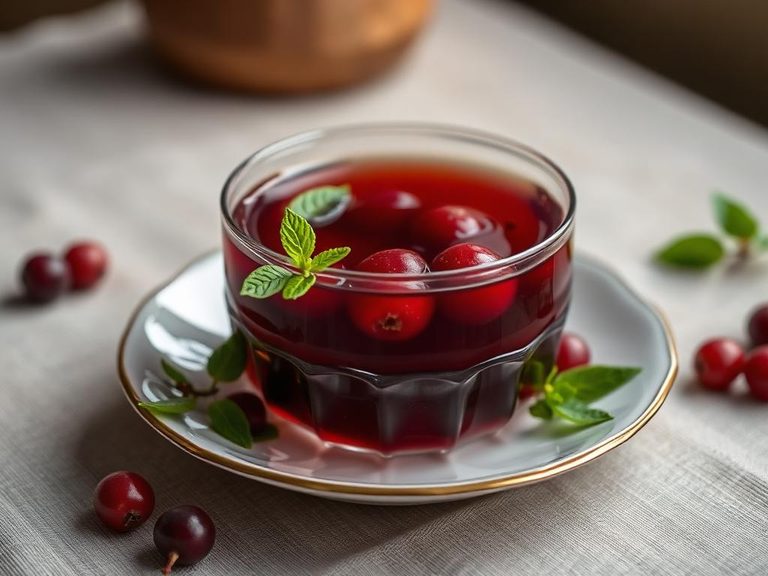
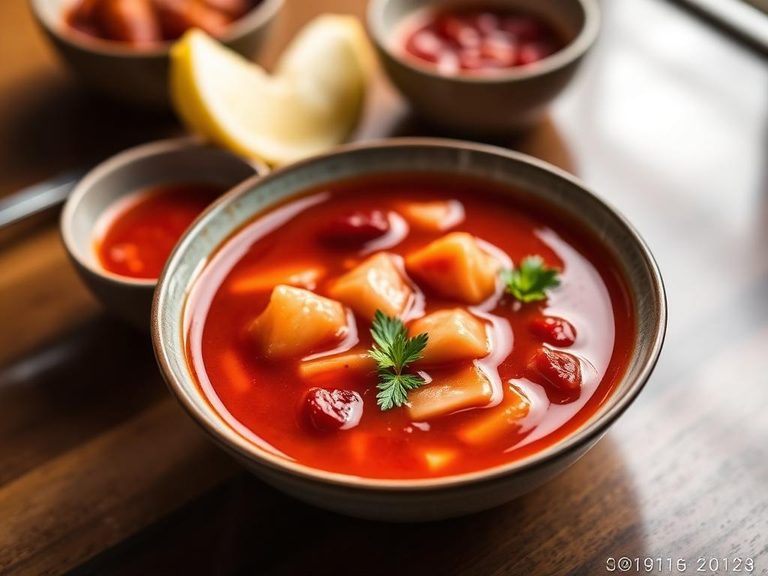
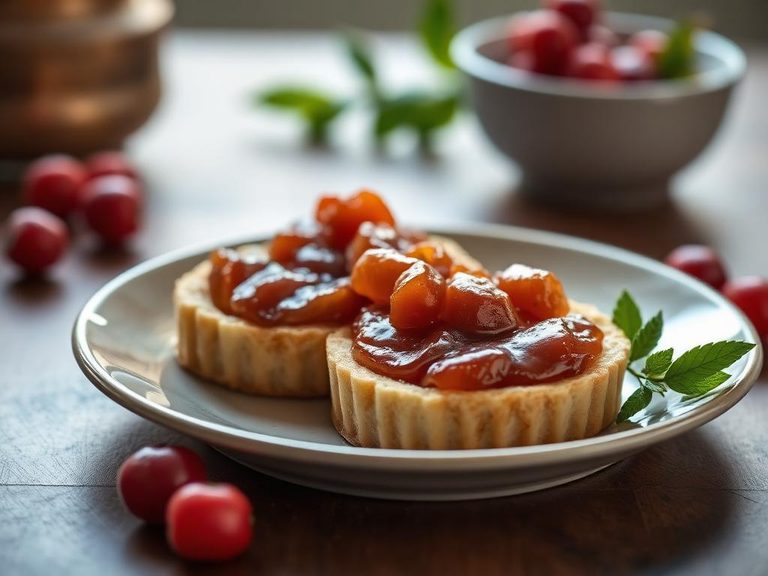
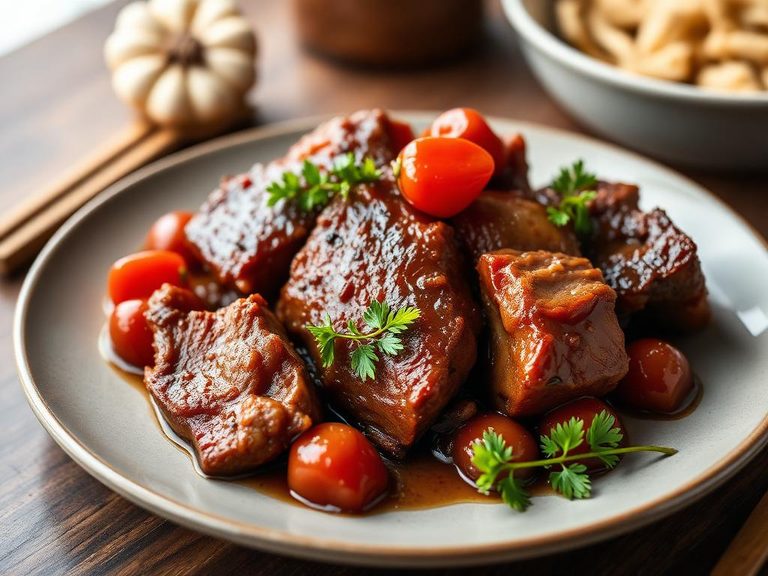
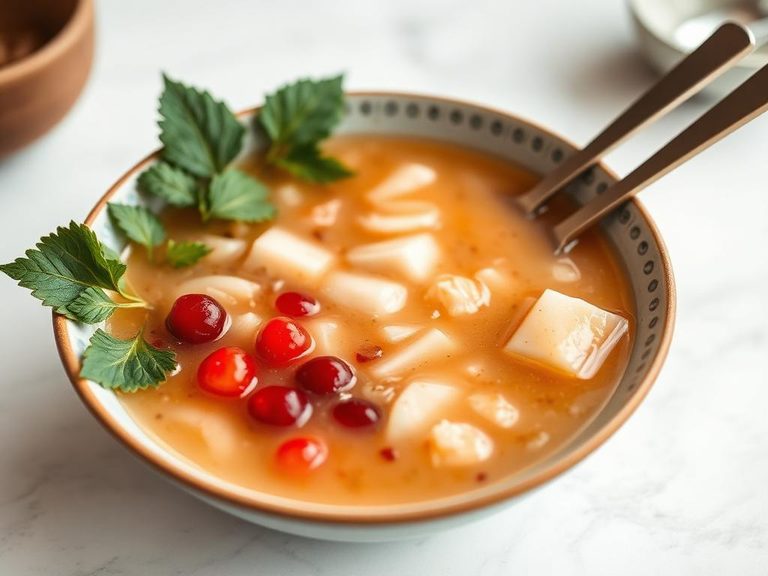
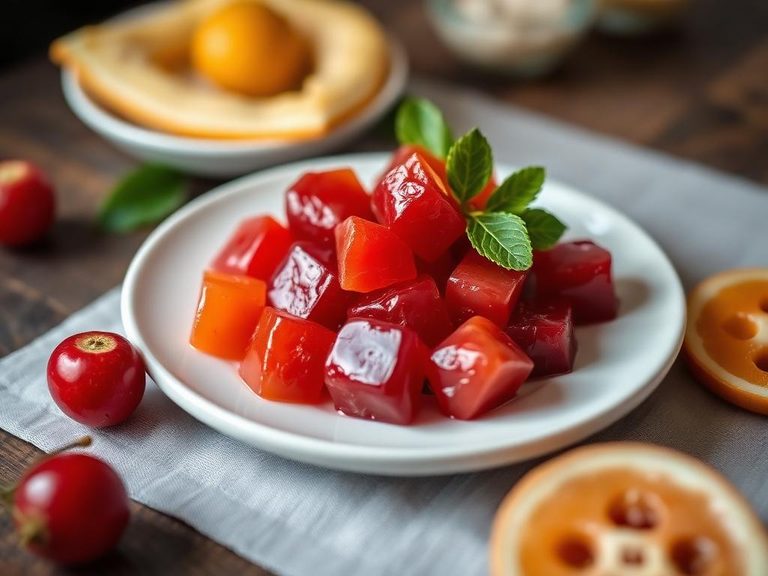
🍽️ Popular dishes
🌍 Where it's eaten
💡 Did you know?
The Chinese name for jujube, '红枣' (hóng zǎo), literally means 'red date,' and it's a key ingredient in the traditional 'four reds' soup believed to nourish the blood.
Full nutrition (USDA data · scales with serving)
| Water | 20.2 g |
| Energy | 281 kcal |
| Energy | 1176 kj |
| Protein | 4.7 g |
| Total lipid (fat) | 0.50 g |
| Ash | 2.1 g |
| Carbohydrate, by difference | 72.5 g |
| Fiber, total dietary | 6.0 g |
| Sucrose | 8.6 g |
| Glucose | 18.3 g |
| Fructose | 20.6 g |
| Calcium, Ca | 63.0 mg |
| Iron, Fe | 5.1 mg |
| Phosphorus, P | 68.0 mg |
| Potassium, K | 217 mg |
| Sodium, Na | 5.0 mg |
| Zinc, Zn | 0.39 mg |
| Copper, Cu | 0.23 mg |
| Manganese, Mn | 31.1 mg |
| Selenium, Se | 0.00 ug |
| Vitamin C, total ascorbic acid | 218 mg |
| Thiamin | 0.05 mg |
| Riboflavin | 0.05 mg |
| Vitamin B-12 | 0.00 ug |
Fat & fatty acid profile (per 100g)
| Cholesterol | 0.00 mg |
FAQ
What's the difference between fresh and dried Chinese jujubes?
Fresh jujubes are crisp, juicy, and mildly sweet, resembling a small apple. Drying concentrates the sugars, making them chewy, deeply sweet, and more flavor-intense, similar to a date but less sticky.
How should I store dried jujubes?
Store them in an airtight container in a cool, dark place like a pantry for up to a year. For longer storage, refrigeration can extend their freshness for several years.
Can I eat the skin of a jujube?
Yes, the skin is edible and contains fiber and nutrients. For fresh jujubes, it's thin and crisp. For dried ones, it's chewy but perfectly fine to consume.
Nutrient density (calculated · NRF9.3)
Nutrient Rich Foods index: beneficial nutrients (protein, fiber, vitamins, minerals) minus saturated fat, added sugar & sodium, per 100 kcal.
NRF9.3 index — Fulgoni, Keast & Drewnowski, 2009. Computed from USDA nutrients.
Weight-loss friendliness (composite index)
Energy density 2.81 kcal/g · 7% calories from protein · 6.0 g fiber · 0.0 g sugar per 100 g.
Composite of energy density (Rolls et al., 1999), protein & fiber satiety, minus sugar. A calculated heuristic — ranks satiety-per-calorie, not a clinical measure.
Dietary load (calculated from USDA values)
Potential renal acid load. Positive = acid-forming, negative = alkaline-forming.
Sodium-to-potassium ratio: 0.02 (lower is better — aim for ≤ 1)
Sodium:potassium per WHO potassium guidance. Computed from USDA nutrients.