Jujube tea
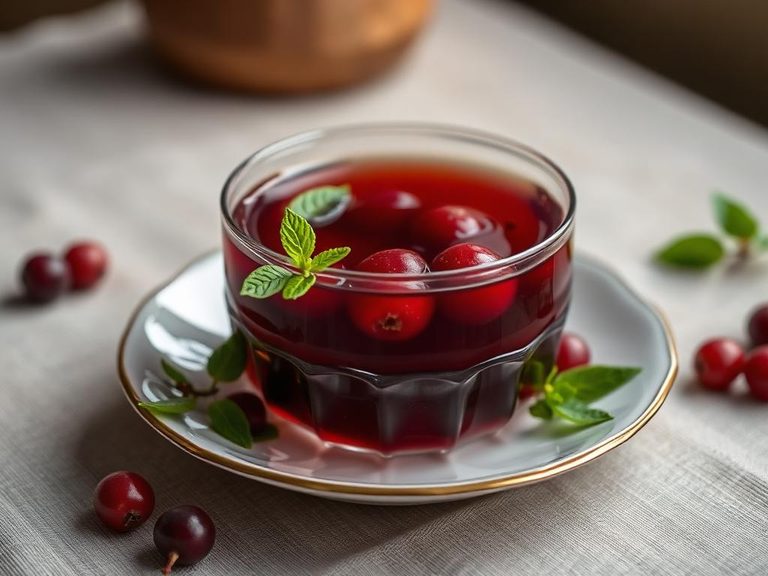
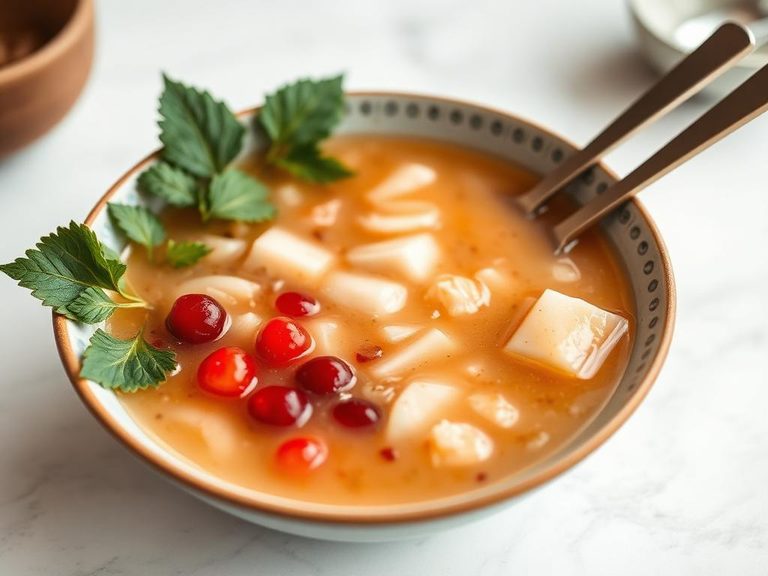
Jujube tea, known as 'Daechu-cha' in Korean, is a traditional warm beverage made by simmering dried jujubes (Korean red dates) in water. It is often sweetened with honey or brown sugar and may include other ingredients like ginger or cinnamon for added flavor. This comforting drink is a staple in Korean home cooking and is enjoyed year-round, particularly in colder months.
🍽️ Nutrition at a glance
Jujube tea is naturally high in carbohydrates, primarily from the natural sugars in the fruit, with negligible fat and protein. It provides a good source of vitamin C, potassium, and antioxidants, with a typical cup containing roughly 80-120 calories depending on sweetness.
Nutrition breakdown
| Calories | 100 kcal |
| Protein | 0.5 g |
| Carbs | 24 g |
| Fat | 0.1 g |
| Fiber | 1.5 g |
| Sugar | 20 g |
| Sodium | 5 mg |
| Vitamin C | 30 mg |
| Potassium | 250 mg |
| Iron | 0.5 mg |
| Magnesium | 15 mg |
| Phosphorus | 20 mg |
| Niacin (B3) | 0.3 mg |
| Riboflavin (B2) | 0.02 mg |
| Manganese | 0.1 mg |
Per 1 cup (240 g) · estimated, varies by recipe
💡 What's interesting
Culturally, jujube tea is valued in Korean tradition not just as a beverage but as a restorative drink believed to promote relaxation and aid sleep. Nutritionally, the jujube fruit is one of the richest natural sources of vitamin C, containing even more per gram than oranges.