

Alcoholic beverage, wine, table, white, Muscat
Whole food · Beverages

Photo: Wikipedia
Aromatic and sweet, Muscat table wine is a golden-hued white wine celebrated for its intense, grape-forward bouquet of orange blossom, peach, and honey. It offers a luscious, almost viscous texture on the palate with a low 82 kcal per 100g, making it a surprisingly light yet flavor-dense sip. Its distinctive floral profile sets it apart from drier, more neutral table wines.
Calorie split: 1% protein · 99% carbs · 0% fat
↓ Full nutrition💚 Why it's loved
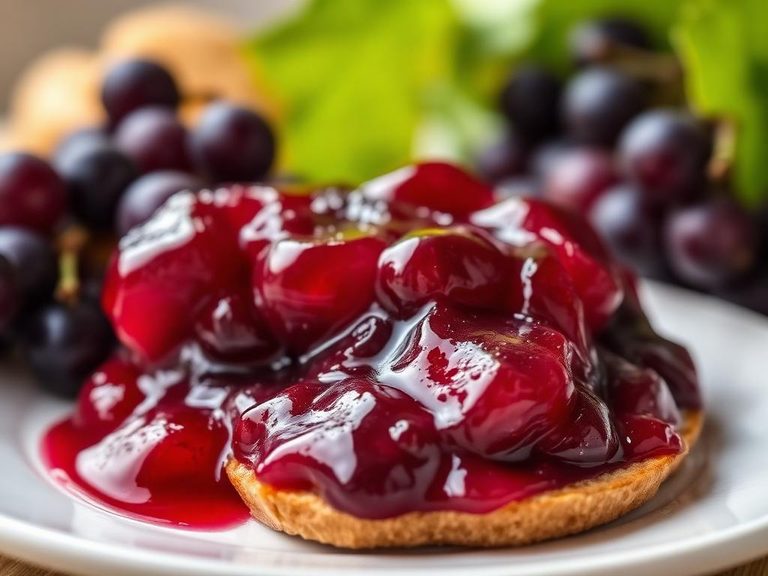
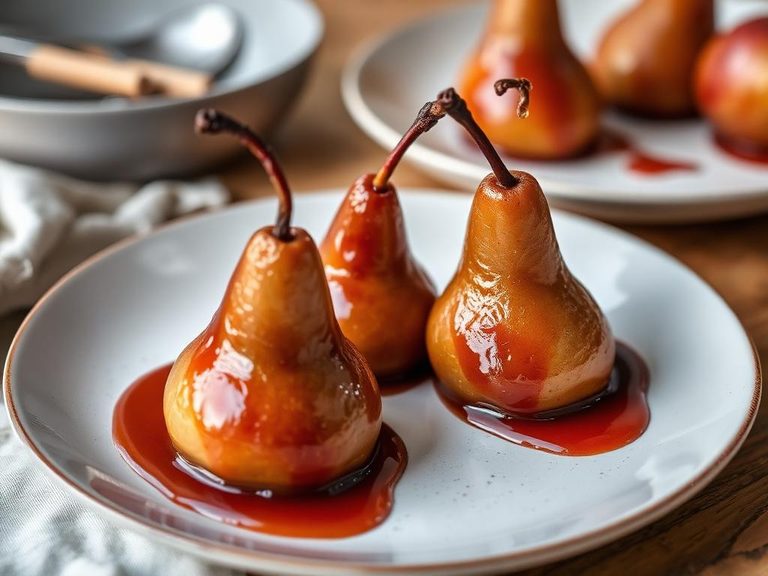
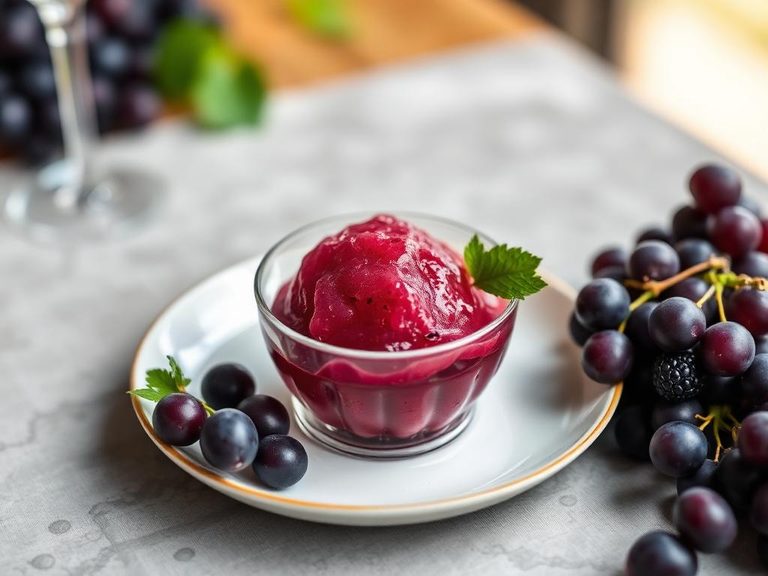
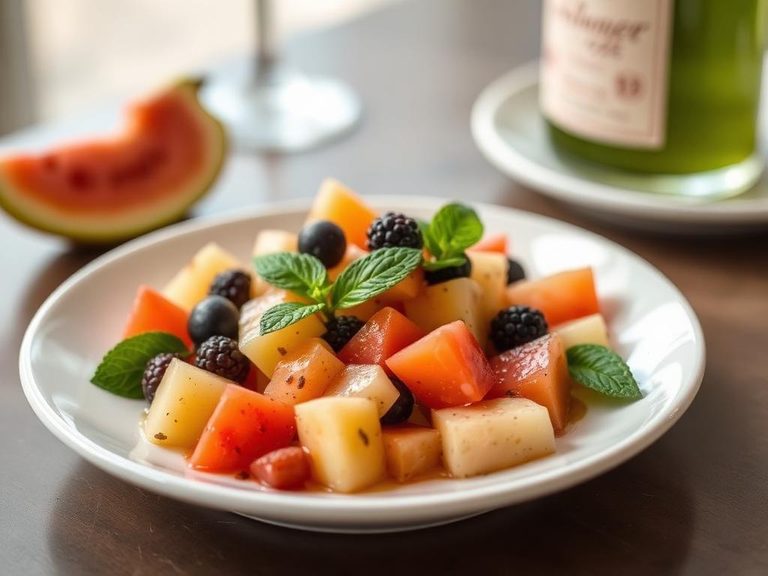
People love Muscat for its unmistakable, perfumed sweetness and its ability to evoke sun-drenched vineyards with every sip. It is a versatile wine that pairs beautifully with fruit-based desserts, cheese, and even spicy Asian dishes, making it a favorite for both casual and festive occasions.
⚠️ Watch-outs & how to enjoy it better
The high residual sugar can cause rapid blood-sugar spikes, especially for those with insulin sensitivity. To counteract this, pair it with protein-rich foods like cheese or nuts, and practice portion control by sticking to a standard 118ml serving. Additionally, the wine's high acidity may irritate sensitive stomachs, so consuming it with a meal rather than on an empty stomach is advisable.
Key benefits
- Rich in aromatic compounds like linalool and geraniol
- Contains antioxidants from grape skins and seeds
- Low in fat and protein, making it a light beverage choice
- Can be paired with a wide range of desserts and spicy foods
- Traditionally used in culinary preparations for its sweet, floral notes
🍽️ Popular dishes
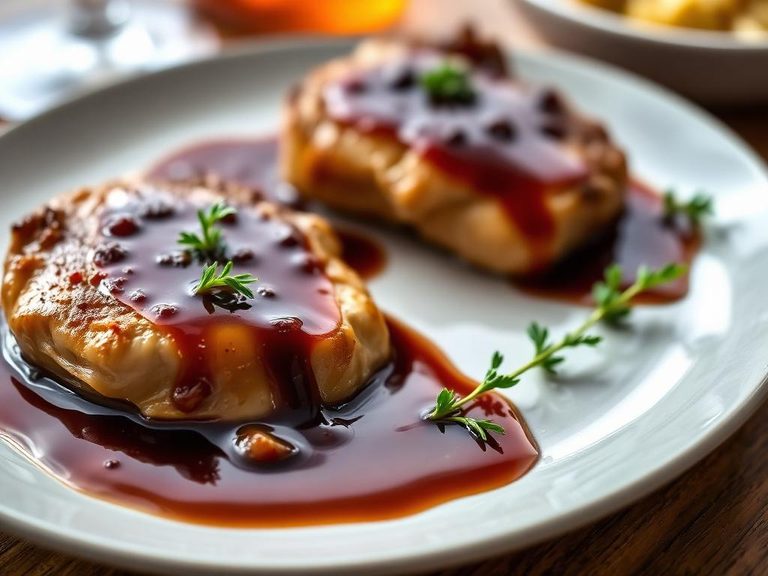
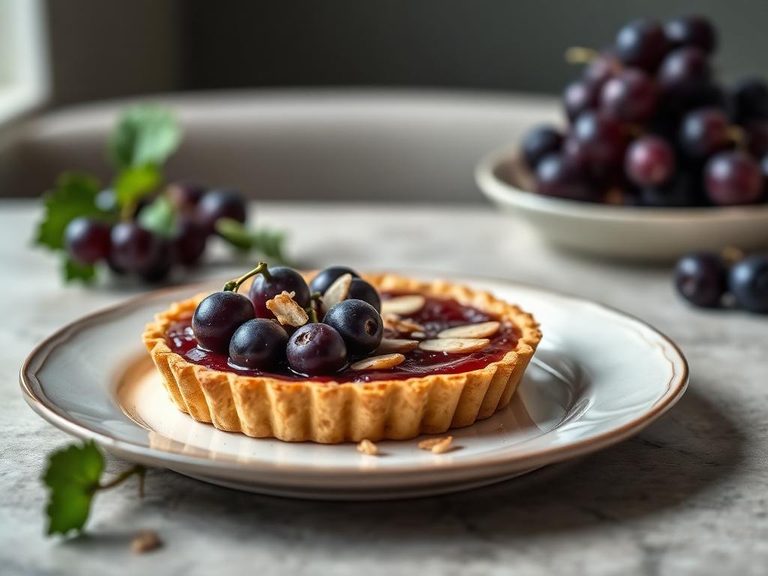
🌍 Where it's eaten
💡 Did you know?
Muscat grapes are one of the oldest known grape varieties, with evidence of their cultivation dating back to ancient Egypt, and they are the only grape family that produces wine with a distinct, sweet, floral aroma.
Full nutrition (USDA data · scales with serving)
| Water | 85.7 g |
| Energy | 82.0 kcal |
| Energy | 342 kj |
| Protein | 0.07 g |
| Total lipid (fat) | 0.00 g |
| Ash | 0.21 g |
| Carbohydrate, by difference | 5.2 g |
| Alcohol, ethyl | 8.8 g |
Fat & fatty acid profile (per 100g)
| Fatty acids, total trans | 0.00 g |
Amino acid profile (per 100g)
Estimated from Alcoholic beverage, distilled, vodka, 80 proof — USDA does not publish this profile for Alcoholic beverage.
| Tryptophan | 0.00 g |
| Threonine | 0.00 g |
| Isoleucine | 0.00 g |
| Leucine | 0.00 g |
| Lysine | 0.00 g |
| Methionine | 0.00 g |
| Cystine | 0.00 g |
| Phenylalanine | 0.00 g |
| Tyrosine | 0.00 g |
| Valine | 0.00 g |
| Arginine | 0.00 g |
| Histidine | 0.00 g |
| Alanine | 0.00 g |
| Aspartic acid | 0.00 g |
| Glutamic acid | 0.00 g |
| Glycine | 0.00 g |
| Proline | 0.00 g |
| Serine | 0.00 g |
FAQ
Is Muscat wine sweet or dry?
Muscat wine can range from very sweet to dry, but the table white variety is typically on the sweeter side, with noticeable residual sugar and floral aromas.
What foods pair well with Muscat wine?
Muscat pairs excellently with fruit-based desserts, spicy Asian dishes, creamy cheeses, and light pastries due to its sweet and aromatic profile.
How many calories are in a glass of Muscat wine?
A standard 118ml glass of Muscat table wine contains approximately 97 calories, based on its 82 kcal per 100g value.
Weight-loss friendliness (composite index)
Energy density 0.82 kcal/g · 0% calories from protein · 0.0 g fiber · 0.0 g sugar per 100 g.
Composite of energy density (Rolls et al., 1999), protein & fiber satiety, minus sugar. A calculated heuristic — ranks satiety-per-calorie, not a clinical measure.