

Alcoholic beverage, wine, table, white, Muller Thurgau
Whole food · Beverages

Photo: Wikipedia
Müller-Thurgau is a light, aromatic white wine known for its delicate floral and fruity notes, often with hints of green apple, citrus, and elderflower. It has a crisp, refreshing texture with a soft, slightly off-dry finish, making it highly approachable. Nutritionally, it's a low-calorie alcoholic option with minimal protein and no fat.
Calorie split: 2% protein · 98% carbs · 0% fat
↓ Full nutrition💚 Why it's loved
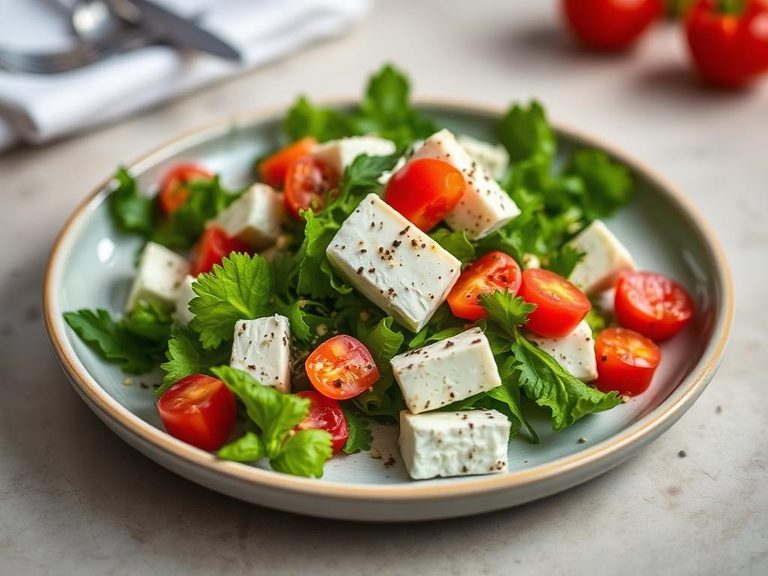
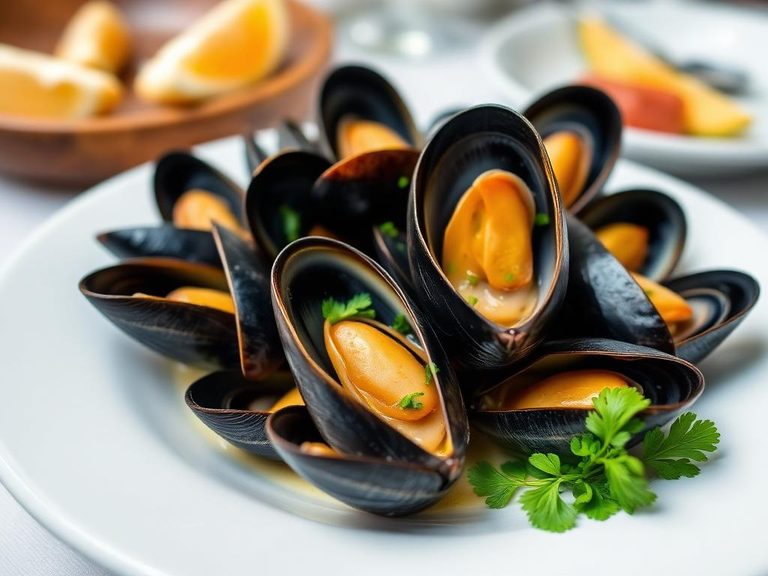
People love it for its easy-drinking, fruit-forward charm and versatility—it pairs beautifully with light salads, mild cheeses, and seafood. Its cultural roots in German and Central European wine traditions make it a staple for casual, convivial gatherings.
⚠️ Watch-outs & how to enjoy it better
Those monitoring blood sugar should be cautious, as its simple carbs can cause spikes, especially when consumed in larger quantities. Tip: Pair it with protein-rich foods like grilled chicken or cheese to slow sugar absorption. Also, its lower acidity means it can feel less complex to some palates; tip: serve well-chilled to enhance its crispness.
Key benefits
- Low in calories (76 kcal per 100ml)
- Contains no fat or fiber
- Source of simple carbohydrates for quick energy
- Often lower in alcohol than many other wines
- Can be a refreshing, low-tannin option
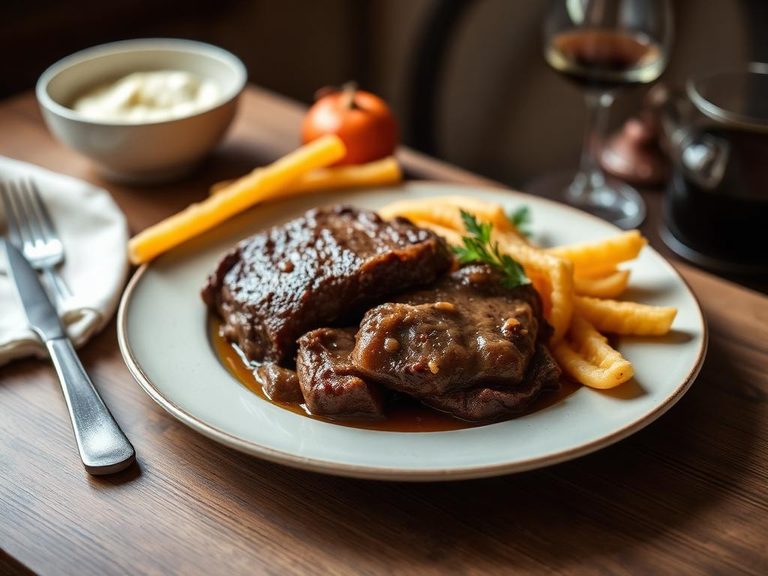
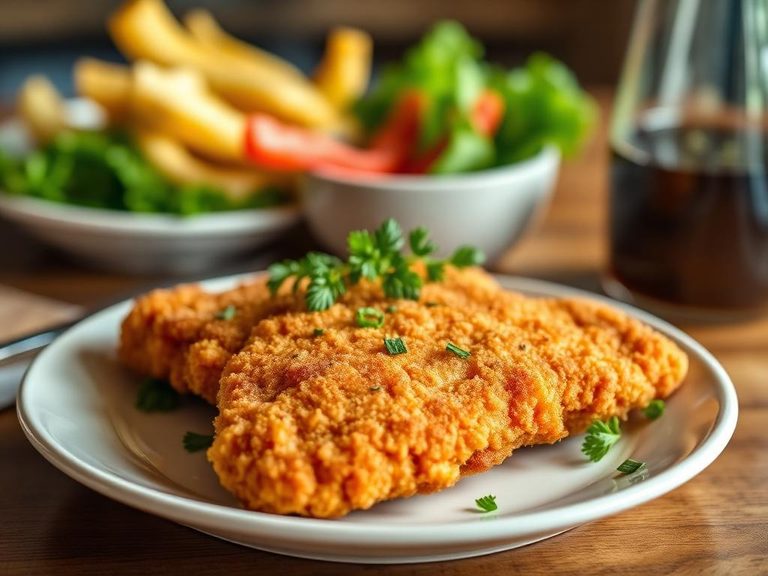
🍽️ Popular dishes
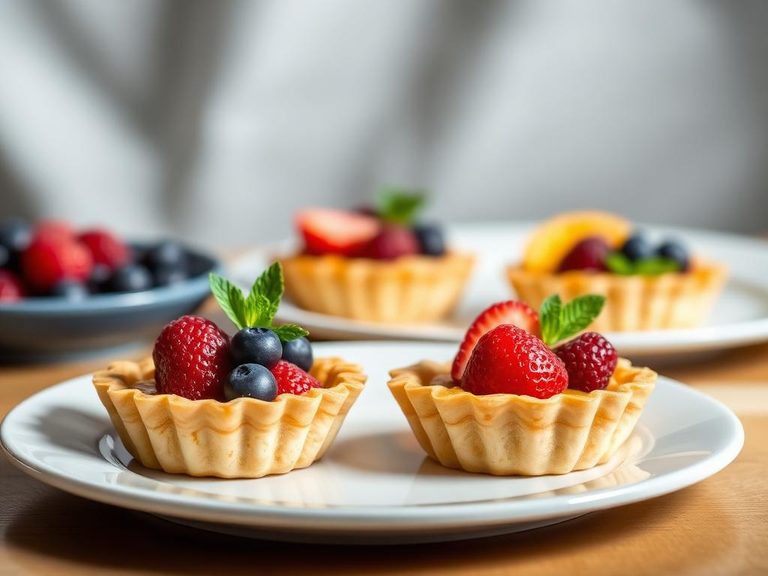
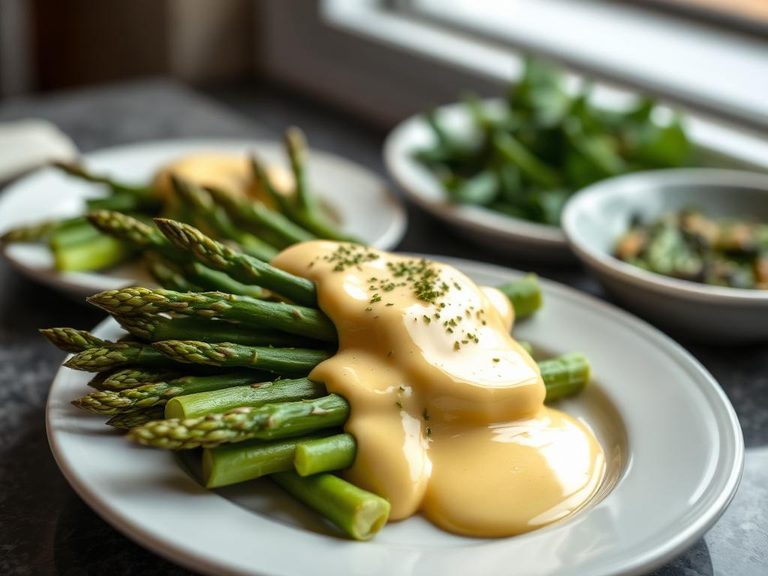
🌍 Where it's eaten
💡 Did you know?
Müller-Thurgau was created in 1882 by Swiss botanist Hermann Müller by crossing Riesling with Madeleine Royale, not as a natural variety.
Full nutrition (USDA data · scales with serving)
| Water | 87.3 g |
| Energy | 76.0 kcal |
| Energy | 319 kj |
| Protein | 0.07 g |
| Total lipid (fat) | 0.00 g |
| Ash | 0.15 g |
| Carbohydrate, by difference | 3.5 g |
| Alcohol, ethyl | 9.0 g |
Fat & fatty acid profile (per 100g)
| Fatty acids, total trans | 0.00 g |
Amino acid profile (per 100g)
Estimated from Alcoholic beverage, distilled, vodka, 80 proof — USDA does not publish this profile for Alcoholic beverage.
| Tryptophan | 0.00 g |
| Threonine | 0.00 g |
| Isoleucine | 0.00 g |
| Leucine | 0.00 g |
| Lysine | 0.00 g |
| Methionine | 0.00 g |
| Cystine | 0.00 g |
| Phenylalanine | 0.00 g |
| Tyrosine | 0.00 g |
| Valine | 0.00 g |
| Arginine | 0.00 g |
| Histidine | 0.00 g |
| Alanine | 0.00 g |
| Aspartic acid | 0.00 g |
| Glutamic acid | 0.00 g |
| Glycine | 0.00 g |
| Proline | 0.00 g |
| Serine | 0.00 g |
FAQ
Is Müller-Thurgau a sweet wine?
It's typically made in a dry to off-dry style, with a soft, fruity sweetness balanced by acidity, making it less sweet than many dessert wines.
What is the best temperature to serve it?
Serve it well-chilled, between 8-10°C (46-50°F), to highlight its crisp, refreshing qualities.
Does it age well?
No, it's best enjoyed young (within 1-2 years) to preserve its fresh, fruity character.
Weight-loss friendliness (composite index)
Energy density 0.76 kcal/g · 0% calories from protein · 0.0 g fiber · 0.0 g sugar per 100 g.
Composite of energy density (Rolls et al., 1999), protein & fiber satiety, minus sugar. A calculated heuristic — ranks satiety-per-calorie, not a clinical measure.