

Agutuk, fish with shortening (Alaskan ice cream) (Alaska Native)
Whole food · American Indian/Alaska Native Foods
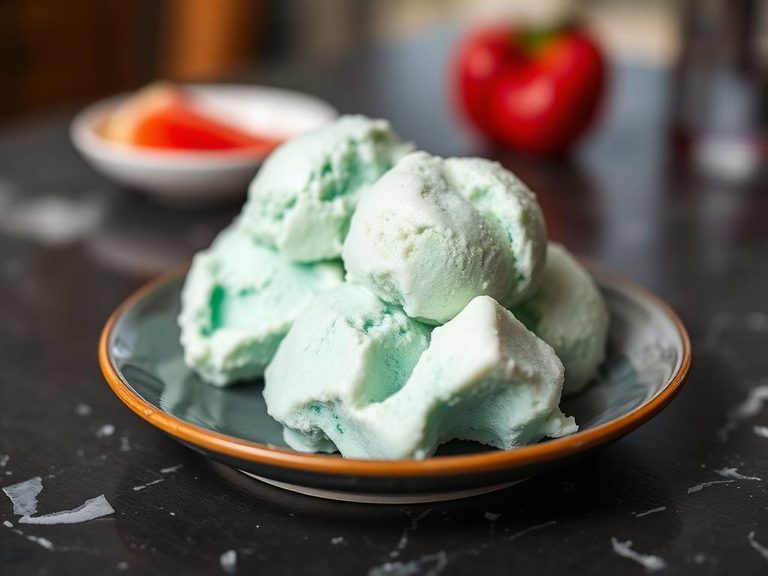
Agutuk is a traditional Alaska Native frozen dessert, often called 'Alaskan ice cream,' made by whipping rendered animal fat (like seal oil or shortening) with fish and sometimes berries. Its texture is rich, dense, and creamy, with a savory-sweet flavor profile that can be surprising to newcomers. Nutritionally, it is an extremely high-energy, high-fat food designed for survival in cold climates, providing dense calories for warmth and sustenance.
Calorie split: 8% protein · 9% carbs · 83% fat
↓ Full nutrition💚 Why it's loved
People love Agutuk for its unique, rich, and savory-sweet taste that is deeply tied to Alaskan heritage and survival. It is a versatile dish that can be made with various fish and berries, offering a comforting and culturally significant treat.
⚠️ Watch-outs & how to enjoy it better
The extremely high fat content (43.5g per 100g) makes it unsuitable for those on low-fat diets or with conditions requiring fat restriction. The use of raw or minimally processed fish can pose a risk of foodborne illness if not prepared properly, and the strong, fishy flavor may be off-putting to some palates. To mitigate, consume in very small portions and ensure the fish is fresh and properly handled.
Key benefits
- Provides extremely dense calories for energy in cold environments.
- High in fat, which is essential for insulation and long-term energy storage.
- Contains protein from the fish component.
- A traditional food source with deep cultural significance for Alaska Native communities.
🍽️ Popular dishes
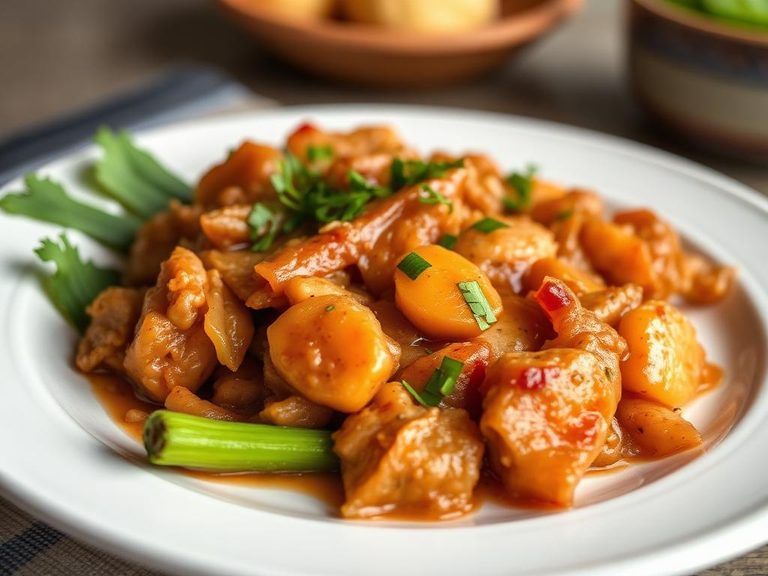
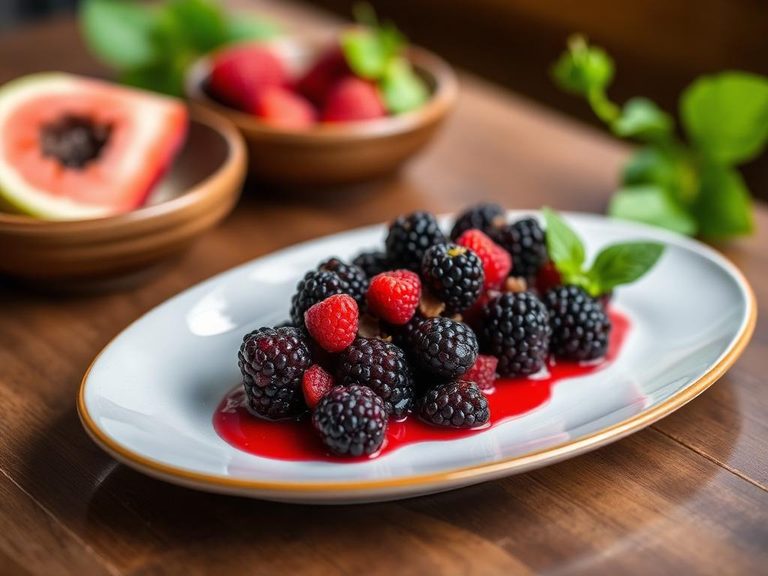
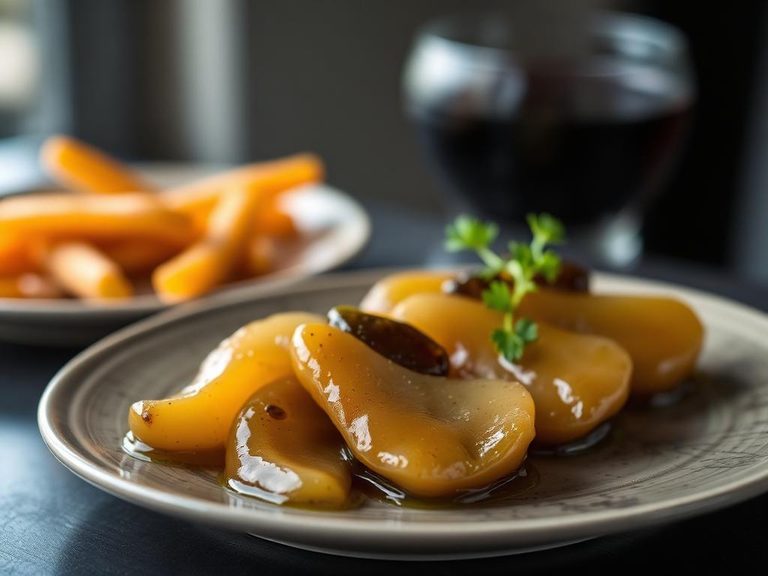
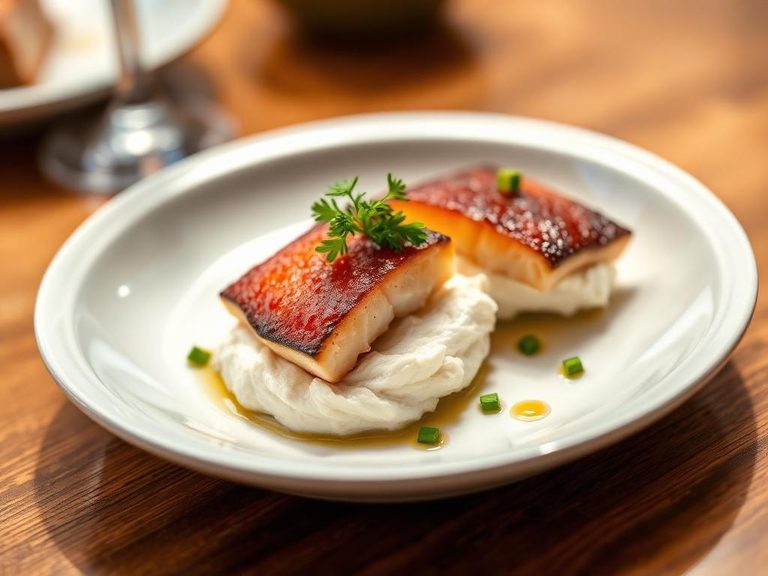
🌍 Where it's eaten
💡 Did you know?
Agutuk was historically a vital survival food for Alaska Natives during harsh winters, providing essential calories and nutrients when other food sources were scarce.
Full nutrition (USDA data · scales with serving)
| Water | 34.0 g |
| Energy | 470 kcal |
| Energy | 1964 kj |
| Protein | 9.0 g |
| Total lipid (fat) | 43.5 g |
| Ash | 3.0 g |
| Carbohydrate, by difference | 10.5 g |
| Iron, Fe | 0.20 mg |
| Magnesium, Mg | 16.0 mg |
| Phosphorus, P | 134 mg |
| Potassium, K | 206 mg |
| Sodium, Na | 24.0 mg |
| Zinc, Zn | 0.47 mg |
| Copper, Cu | 0.03 mg |
| Thiamin | 0.06 mg |
| Riboflavin | 0.06 mg |
| Niacin | 1.4 mg |
| Vitamin A, RAE | 34.0 ug |
| Vitamin A, IU | 257 iu |
| Vitamin E (alpha-tocopherol) | 4.0 mg |
Fat & fatty acid profile (per 100g)
| Fatty acids, total saturated | 8.6 g |
| Fatty acids, total monounsaturated | 15.6 g |
| Fatty acids, total polyunsaturated | 17.3 g |
| PUFA 18:2 | 16.1 g |
| PUFA 18:3 | 0.50 g |
| Cholesterol | 26.0 mg |
FAQ
What is Agutuk made of?
Agutuk is traditionally made by whipping rendered animal fat (like seal oil or shortening) with fish, and sometimes berries or other ingredients.
Is Agutuk safe to eat?
Agutuk is safe when prepared with fresh, properly handled fish and consumed in moderation. However, the high fat content and potential for raw fish make it important to ensure proper food safety practices.
What does Agutuk taste like?
Agutuk has a rich, creamy, and savory-sweet flavor, with a dense texture similar to ice cream but with a distinct fishy taste.
Nutrient density (calculated · NRF9.3)
Nutrient Rich Foods index: beneficial nutrients (protein, fiber, vitamins, minerals) minus saturated fat, added sugar & sodium, per 100 kcal.
NRF9.3 index — Fulgoni, Keast & Drewnowski, 2009. Computed from USDA nutrients.
Weight-loss friendliness (composite index)
Energy density 4.70 kcal/g · 8% calories from protein · 0.0 g fiber · 0.0 g sugar per 100 g.
Composite of energy density (Rolls et al., 1999), protein & fiber satiety, minus sugar. A calculated heuristic — ranks satiety-per-calorie, not a clinical measure.
Dietary load (calculated from USDA values)
Potential renal acid load. Positive = acid-forming, negative = alkaline-forming.
Sodium-to-potassium ratio: 0.12 (lower is better — aim for ≤ 1)
Sodium:potassium per WHO potassium guidance. Computed from USDA nutrients.