

Traditional Agutuk
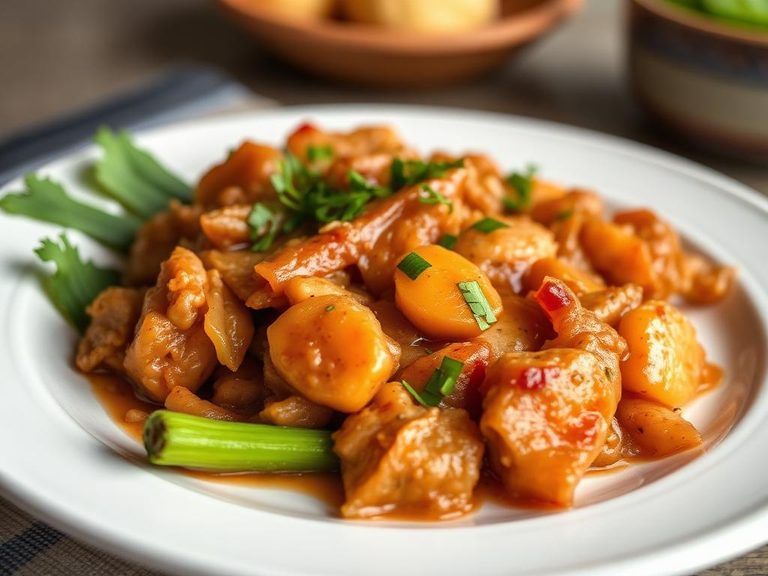
Traditional Agutuk, also known as Akutaq or Eskimo ice cream, is a whipped dessert from Alaska Native cultures, particularly Yup'ik and Iñupiat communities. It is traditionally made by whipping animal fat (such as seal oil or reindeer fat) with snow or water, then folding in wild berries like salmonberries or blueberries. The dish is a celebrated part of subsistence foodways in Arctic and subarctic regions.
🍽️ Nutrition at a glance
Agutuk is a high-fat, energy-dense food designed to provide essential calories and nutrients in cold climates. It is rich in omega-3 fatty acids and antioxidants from wild berries, with a rough calorie range of 250-400 kcal per half-cup serving depending on the fat and berry content.
Nutrition breakdown
| Calories | 320 kcal |
| Protein | 3 g |
| Carbs | 15 g |
| Fat | 28 g |
| Fiber | 2 g |
| Sugar | 10 g |
| Sodium | 45 mg |
| Vitamin C | 15 mg |
| Vitamin E | 3.5 mg |
| Omega-3 (ALA) | 2.5 g |
| Potassium | 180 mg |
| Iron | 1.2 mg |
| Manganese | 0.8 mg |
| Vitamin K | 8 mcg |
| Selenium | 4 mcg |
Per 1/2 cup (120 g) · estimated, varies by recipe
💡 What's interesting
Culturally, Agutuk is more than a dessert; it represents community sharing, seasonal harvests, and connection to the land. Nutritionally, it is a brilliant adaptation, combining calorie-dense animal fats with vitamin-rich berries to support survival in extreme environments.
🍽️ Related dishes


AI estimate may be inaccurate · Terms