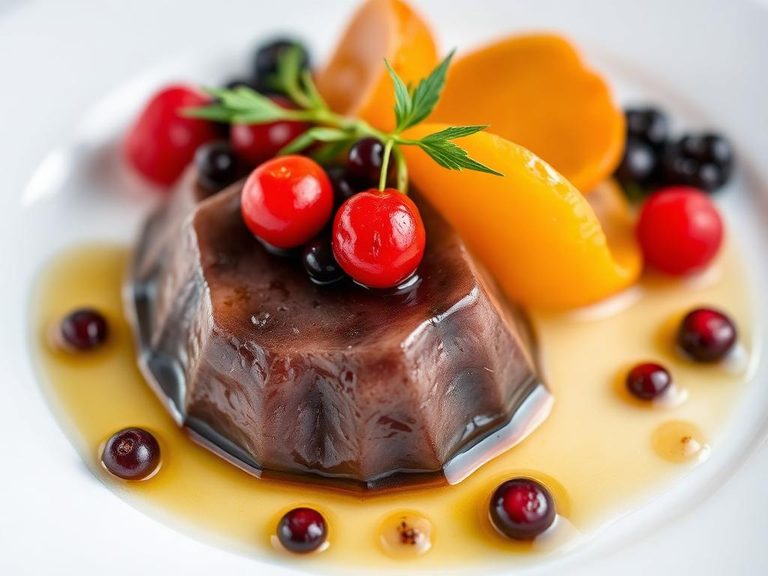
Agutuk
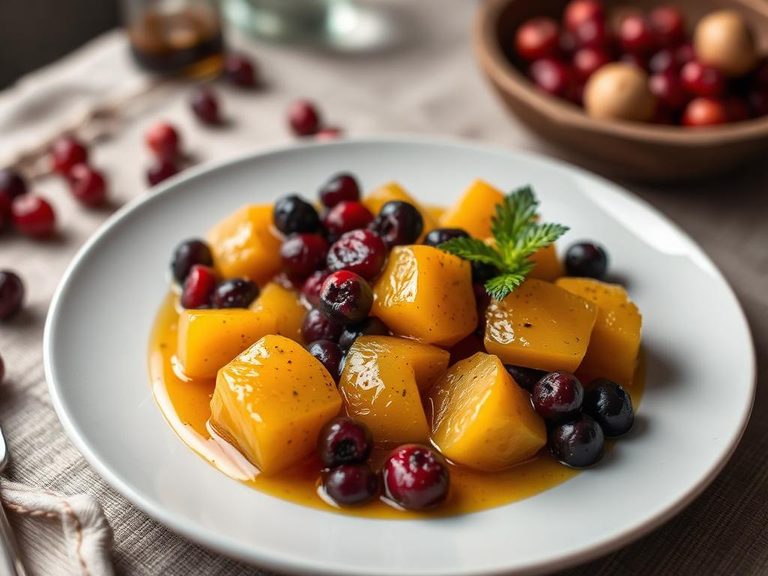
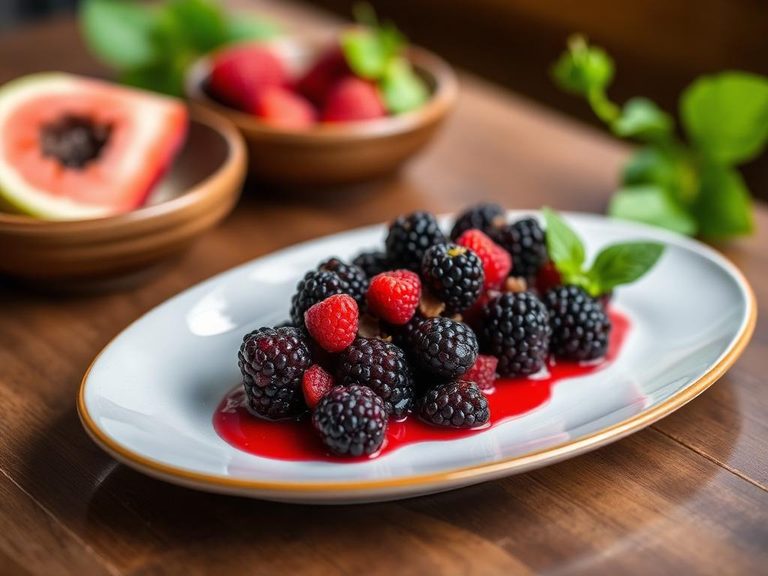
Agutuk, also known as akutaq or 'Eskimo ice cream,' is a traditional Alaska Native dessert made by whipping animal fat (often from caribou, moose, or seal) with water or snow and mixing in wild berries. It originates from the Yup'ik and Inupiat peoples of Western and Northern Alaska, where it served as a vital, energy-dense food for survival in harsh Arctic conditions.
🍽️ Nutrition at a glance
Agutuk is exceptionally high in fat and calories, providing a dense source of energy crucial for cold climates, with minimal carbohydrates. It is a significant source of fat-soluble vitamins like Vitamin D and E from the animal fat and wild berries, along with essential fatty acids.
Nutrition breakdown
| Calories | 450 kcal |
| Protein | 5 g |
| Carbs | 15 g |
| Fat | 42 g |
| Fiber | 3 g |
| Sugar | 8 g |
| Sodium | 35 mg |
| Vitamin E | 5 mg |
| Vitamin D | 4 µg |
| Iron | 2 mg |
| Potassium | 300 mg |
| Manganese | 0.8 mg |
| Vitamin K | 15 µg |
| Selenium | 6 µg |
| Copper | 0.3 mg |
Per 1 cup (200 g) · estimated, varies by recipe
💡 What's interesting
What makes Agutuk unique is its ingenious use of whipped animal fat to create a creamy, ice cream-like texture without any dairy, showcasing indigenous culinary innovation. Nutritionally, it's a powerhouse of calories and healthy fats designed for extreme energy needs, often made with foraged ingredients that are rich in antioxidants.